How Osteopathy Helps Improve Circulation and Overall Health explores targeted strategies for recovery. Discover new paths to mobility, healing, and personalized care.

A hands-on approach to helping your body flow, heal, and thrive.
When you think about your health, you probably consider your heart, diet, or maybe how often you exercise. But have you ever thought about how well your circulatory system is working? Your blood flow plays a vital role in almost every function in your bodyfrom delivering oxygen to your cells to flushing out waste and supporting immune responses.
Heres where osteopathy steps in: a gentle, whole-body therapy that doesnt just treat painit helps boost circulation and promote natural healing across your entire system.
Lets Talk Circulation for a Second
Your circulatory system is like your bodys delivery servicebringing oxygen, nutrients, and hormones where theyre needed, and taking away carbon dioxide and toxins. But just like traffic on a congested highway, things can get sluggish.
Common causes of poor circulation include:
Sedentary lifestyle
Muscle tension or postural imbalances
Inflammation
Injury or scar tissue
Stress (which tightens everything upespecially blood vessels)
When circulation slows down, you might notice cold hands or feet, fatigue, brain fog, or even delayed healing. Thats where osteopathy can make a real difference.
How Osteopathy Supports Healthy Circulation
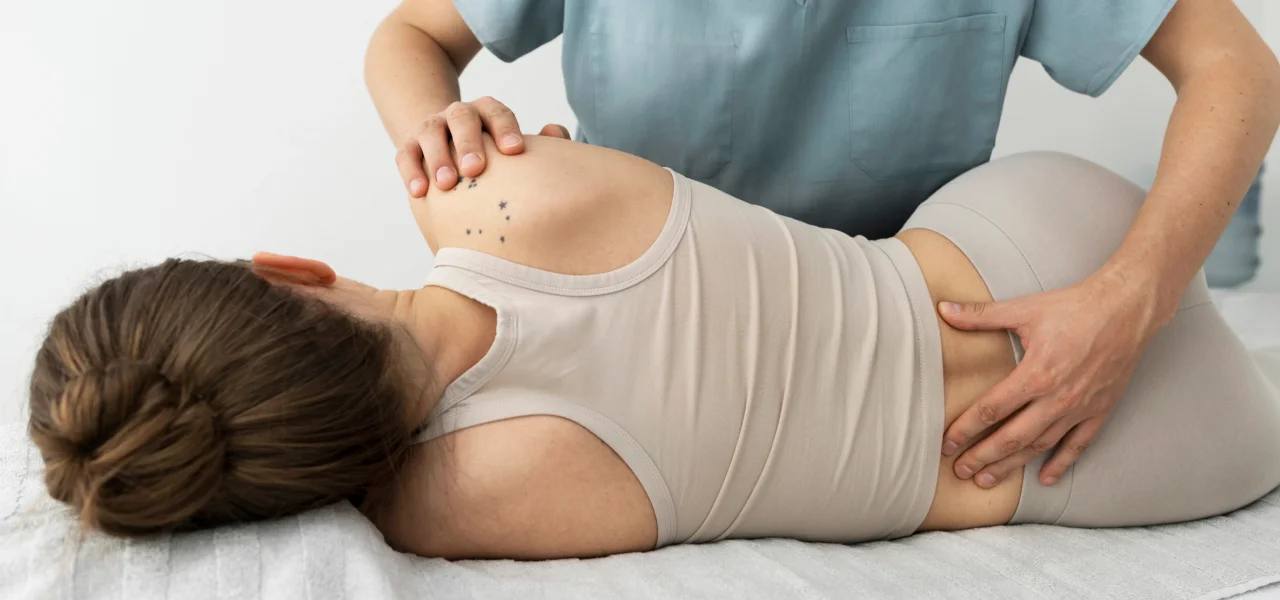
Osteopathy is all about restoring natural balance in the body. Using skilled, hands-on techniques, osteopaths gently ease restrictions, release tight tissues, and get your bodys fluidsespecially blood and lymphmoving again.
Heres how it works:
1. Releasing Tension in Muscles and Fascia
Tight muscles and stiff fascia (the connective tissue around muscles and organs) can compress blood vessels and limit flow. Osteopaths use soft tissue manipulation to release these restrictions, allowing better blood and lymph movement throughout the body.
2. Mobilising Joints for Better Flow
Joint restrictions, especially in the spine, hips, and shoulders, can also impact circulation. Osteopaths perform gentle joint mobilisations to restore movement and take pressure off the blood vessels and nerves surrounding these areas.
3. Supporting Lymphatic Drainage
The lymphatic systemyour bodys natural detox networkrelies on movement to function properly. Osteopathy stimulates lymphatic flow, helping clear waste, reduce swelling, and boost immune responses. This is especially helpful for people dealing with chronic inflammation or recovering from injury.
4. Enhancing Nervous System Function
Good circulation isnt just about bloodits also about how well your nervous system communicates with your vessels and organs. Osteopathic techniques help improve nerve signaling, which can regulate blood pressure, heart rate, and overall body balance.
5. Encouraging Whole-Body Harmony
Osteopathy doesnt just focus on isolated symptomsit considers how all systems (muscular, circulatory, respiratory, digestive, and more) interact. By treating the body as an interconnected whole, osteopathy encourages better function across the boardincluding energy levels, sleep quality, and stress resilience.
Who Might Benefit?
Osteopathic care can be especially beneficial for those experiencing:
Poor circulation or cold extremities
Swelling or lymphatic congestion
Chronic fatigue
Stress-related tension
Post-injury healing
Post-surgery recovery
Headaches linked to restricted blood flow
A Natural Boost From the Inside Out
Osteopathy is about creating spacespace for your blood to flow, your lungs to expand, your muscles to relax, and your body to do what it does best: heal and regulate itself. Whether youre dealing with a specific issue or just want to feel more vibrant and balanced, osteopathy offers a gentle, drug-free way to support your circulation and boost your overall health.
Feeling a little stuck latelyphysically or energetically? It could be your circulation calling for some hands-on help. Book an osteopathy session and get things flowing againyour body will thank you for it.