How Osteopathy Helps Improve Mobility in Older Adults explores targeted strategies for recovery. Discover new paths to mobility, healing, and personalized care.

As we age, our bodies naturally go through changesmuscles may weaken, joints can stiffen, and balance might not be what it used to be. But aging doesnt mean you have to settle for discomfort or limited mobility. Thats where osteopathy can make a real difference.
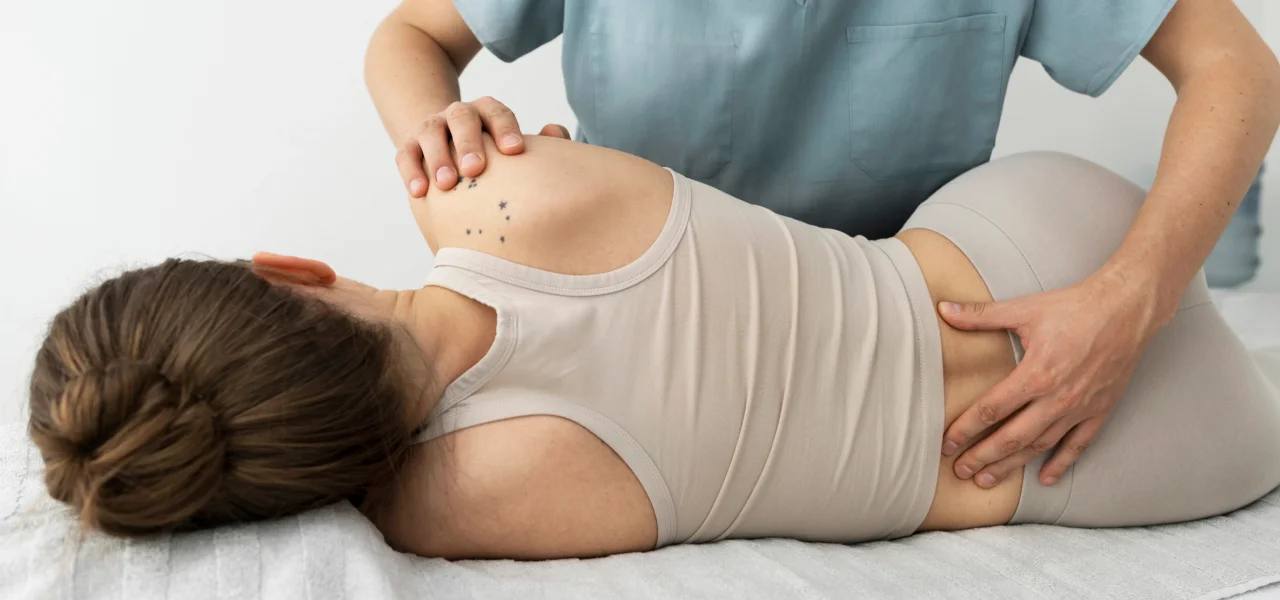
Osteopathy is a gentle, hands-on therapy that helps older adults move more freely, feel less pain, and maintain their independencewithout relying on heavy medications or invasive treatments.
Why Mobility Matters as We Age
Mobility isnt just about being able to walk or reach overheadits about maintaining independence, safety, and quality of life. When movement becomes restricted, it can lead to:
Muscle weakness and joint stiffness
Increased risk of falls
Social isolation
Loss of confidence
A downward spiral in overall health
The good news? Osteopathy offers a natural, supportive way to help keep your body moving with ease and confidence.
How Osteopathy Supports Older Adults
Osteopathy focuses on how the bones, muscles, joints, and connective tissues work together. For older adults, treatment is tailored to be gentle, respectful, and focused on restoring comfort and ease of movement.
Heres how it helps:
? Improves Joint Flexibility
Over time, joints can become stiff due to arthritis, past injuries, or lack of movement. Osteopaths use light joint mobilizations to ease stiffness and restore gentle motion, particularly in areas like the knees, hips, neck, and shoulders.
? Reduces Muscle Tension and Pain
Tight or tense muscles can limit range of motion and cause discomfort. Osteopathy uses soft tissue techniques to release muscle tension, improve circulation, and relieve common aches and painsespecially in the lower back and legs.
? Enhances Balance and Coordination
Poor posture and limited mobility can throw off balance. Osteopaths help realign the body and improve neuromuscular coordination, which may help reduce the risk of falls and boost confidence in movement.
? Supports Arthritic Joints
While osteopathy cant cure arthritis, it can make living with it easier. Gentle treatment around arthritic joints can reduce inflammation, improve range of motion, and make everyday tasks feel more manageable.
? Encourages Better Circulation
Healthy blood and lymph flow is essential for tissue repair and overall vitality. Osteopathic techniques support circulation, which can help reduce swelling in the legs and feet and promote a general sense of wellness.
Conditions Osteopathy Can Help With in Older Adults
Many seniors find relief from common age-related conditions, such as:
Osteoarthritis
Lower back pain or spinal stiffness
Hip and knee pain
Shoulder and neck tension
Poor posture
Balance issues
Sciatica or nerve-related pain
General aches, stiffness, and reduced flexibility
Even if theres no specific injury, osteopathy can be an excellent tool for maintaining health and comfort as you age.
What Does Treatment Look Like?
Osteopathic care for older adults is always gentle and non-invasive. Your osteopath will take the time to understand your health history, lifestyle, and concerns before performing any hands-on work.
Sessions may include:
Light stretching
Gentle joint mobilization
Soft tissue massage
Postural advice
Movement or exercise recommendations
The goal? To help you move better, feel more comfortable, and enjoy life with greater ease.
Final Thoughts
Aging gracefully isnt just about adding years to your lifeits about adding life to your years. Osteopathy is a supportive, natural way to help older adults stay active, reduce pain, and remain confident in their bodies.
If you’re looking for a way to improve mobility and maintain independence without medication or surgery, osteopathy could be exactly what your body needs.