How Osteopathy Helps Treat Hip and Knee Pain explores targeted strategies for recovery. Discover new paths to mobility, healing, and personalized care.

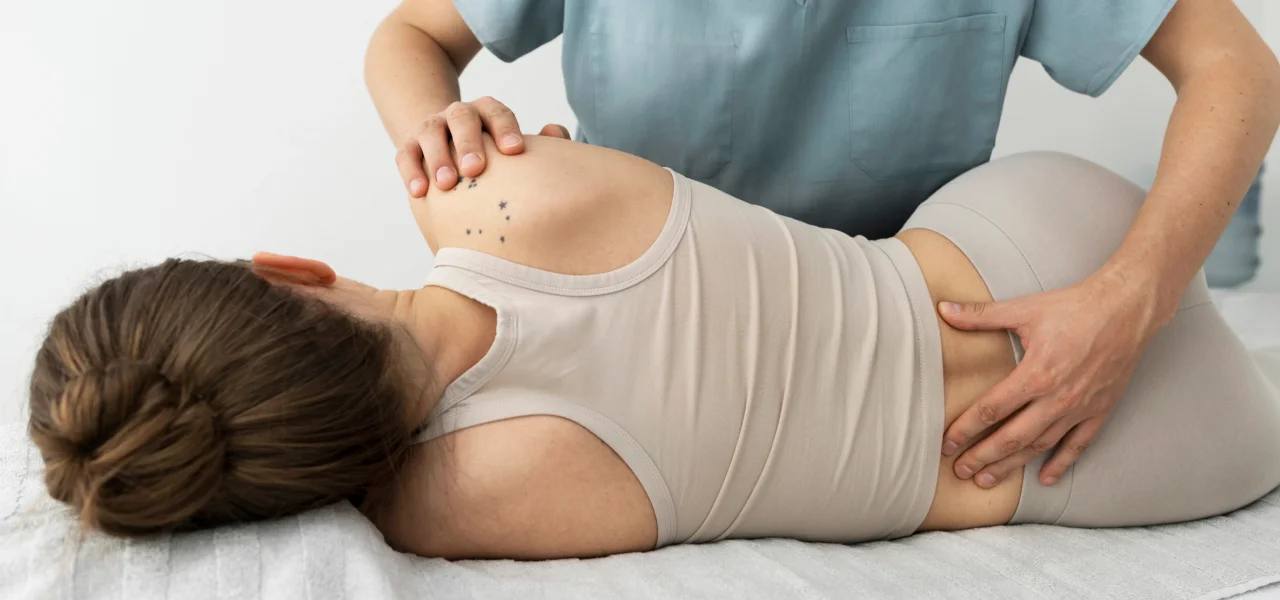
Hip and knee pain are common complaints that affect people of all ages and activity levels. Whether caused by injury, overuse, arthritis, poor posture, or muscle imbalances, hip and knee pain can significantly affect mobility, quality of life, and overall well-being. Osteopathy is a holistic approach that aims to treat the root causes of pain, improve joint mobility, and restore function. Osteopaths use a variety of hands-on techniques, such as joint manipulation, soft tissue massage, and muscle strengthening exercises, to address hip and knee pain effectively.
Heres how osteopathy can help treat hip and knee pain:
1. Restoring Joint Mobility
Joint stiffness is a common cause of hip and knee pain, particularly in conditions such as osteoarthritis or following an injury. Osteopaths focus on improving the mobility of the affected joints through joint manipulation and mobilization techniques.
Joint manipulation involves applying controlled pressure to the joint to restore normal function and alleviate pain. This technique helps improve the range of motion and reduces stiffness in the hip or knee joint.
Joint mobilization is a gentler approach where the osteopath uses slow, controlled movements to encourage better movement in the joint, improving flexibility and reducing pain.
By restoring normal joint movement, osteopathy helps to alleviate pain and improve mobility in the hip and knee, allowing individuals to move more freely and with less discomfort.
2. Releasing Muscle Tension
Tight or overactive muscles around the hip and knee can contribute to pain and restrict movement. These muscles may be compensating for weakness in other areas or may have become tense due to poor posture or injury. Osteopaths use myofascial release, soft tissue massage, and trigger point therapy to release muscle tension and alleviate discomfort.
Myofascial release targets the fascia, the connective tissue surrounding muscles, to release tight areas that may be causing pain or limiting movement.
Soft tissue massage works to reduce tension in the muscles and surrounding tissues, improving blood flow and promoting relaxation.
Trigger point therapy applies pressure to specific points in the muscle to release tightness and relieve pain.
By addressing muscle tension, osteopathy helps to restore normal muscle function, reduce pain, and improve range of motion in the hip and knee.
3. Improving Postural Alignment
Poor posture and misalignments in the spine, pelvis, and lower body can lead to strain on the hip and knee joints, contributing to pain and discomfort. Osteopathy focuses on correcting postural imbalances by realigning the spine and pelvis, ensuring that the bodys structure is in balance.
Spinal manipulation and pelvic realignment techniques are used to improve posture and reduce strain on the hips and knees.
Postural education is provided to help individuals maintain proper alignment in daily activities, reducing the risk of future pain and injury.
When the body is aligned correctly, weight is distributed more evenly across the joints, reducing the risk of hip and knee pain caused by poor posture.
4. Strengthening Muscles and Improving Stability
Weak or imbalanced muscles around the hip and knee can increase the risk of injury and contribute to pain. For example, weak quadriceps, glutes, or hip stabilizers can lead to overloading of the knee joint, increasing the risk of conditions like patellofemoral pain syndrome or IT band syndrome. Osteopaths assess muscle strength and design personalized exercise programs to strengthen weak muscles and improve joint stability.
Strengthening exercises target muscles around the hip and knee, such as the quadriceps, hamstrings, glutes, and hip flexors, to support the joints more effectively.
Balance and coordination exercises are also included to help improve joint stability and prevent future injury.
By strengthening the muscles around the hip and knee, osteopathy improves joint function, reduces pain, and prevents future injuries.
5. Reducing Inflammation and Promoting Healing
Inflammation in the hip and knee can result from injury, overuse, or degenerative conditions such as arthritis. Osteopathy helps reduce inflammation and promote healing through techniques that improve circulation and encourage tissue repair.
Lymphatic drainage techniques help improve the flow of lymph fluid, which aids in removing waste products and reducing swelling in the affected area.
Soft tissue therapy enhances circulation, delivering oxygen and nutrients to the injured tissues and promoting faster healing.
Improved circulation helps to reduce swelling and stiffness in the hip and knee, alleviating pain and supporting the bodys natural healing process.
6. Managing Conditions Like Osteoarthritis and Tendinitis
Osteoarthritis (OA) and tendinitis are common causes of hip and knee pain, particularly in older adults or those involved in high-impact activities. While these conditions are degenerative, osteopathy can help manage symptoms and slow progression.
For osteoarthritis, osteopathy focuses on improving joint mobility, reducing pain, and enhancing muscle strength to better support the affected joint.
For tendinitis, osteopathy uses techniques like eccentric strengthening exercises, soft tissue release, and stretching to promote tendon healing and reduce inflammation.
Osteopathy addresses the underlying causes of pain and dysfunction, helping individuals with osteoarthritis or tendinitis maintain better joint function and quality of life.
7. Preventing Further Injuries
Osteopathy not only treats existing hip and knee pain but also helps prevent future injuries by improving body mechanics and correcting movement dysfunctions. For example, osteopaths identify faulty movement patterns that may contribute to pain or strain on the hip and knee joints and provide guidance on how to move more efficiently.
Biomechanical assessments are used to evaluate movement patterns and identify potential risks for injury. Osteopaths may recommend exercises to improve posture, strengthen weak muscles, and optimize movement mechanics.
Education on proper technique for activities like running, lifting, or squatting helps to ensure that movement is performed correctly and without unnecessary strain on the hip and knee joints.
By improving overall body mechanics and movement efficiency, osteopathy helps reduce the risk of future hip and knee injuries.
8. Supporting Recovery After Hip or Knee Surgery
For individuals recovering from hip or knee surgery, osteopathy can play a crucial role in promoting healing and restoring mobility. After surgery, its important to regain joint function, restore muscle strength, and prevent complications such as scar tissue formation or joint stiffness.
Gentle mobilization and soft tissue techniques help to increase circulation, reduce stiffness, and promote healing in the tissues around the joint.
Rehabilitation exercises are tailored to the patients specific needs and designed to improve strength, range of motion, and stability in the hip or knee joint.
Osteopathy supports the recovery process by addressing the physical challenges that arise after surgery, helping individuals regain full function and mobility in the hip and knee.
Conclusion: Osteopathy for Hip and Knee Pain Treatment
Osteopathy offers a comprehensive, holistic approach to treating hip and knee pain by addressing the root causes of discomfort, improving joint mobility, releasing muscle tension, and restoring posture and alignment. Whether dealing with acute injuries, chronic conditions like arthritis, or recovering from surgery, osteopathy provides effective treatment options that focus on healing, improving strength, and preventing further injury.
Through a combination of manual techniques, exercise programs, and postural correction, osteopathy helps individuals manage pain, restore function, and improve quality of life, ensuring better long-term health for the hip and knee joints. Whether youre an athlete, an active individual, or someone experiencing age-related wear and tear, osteopathy can help alleviate hip and knee pain and support overall joint health.