How Osteopathy Helps with Joint Pain Relief and Preventing Future Discomfort explores targeted strategies for recovery. Discover new paths to mobility, healing, and personalized care.

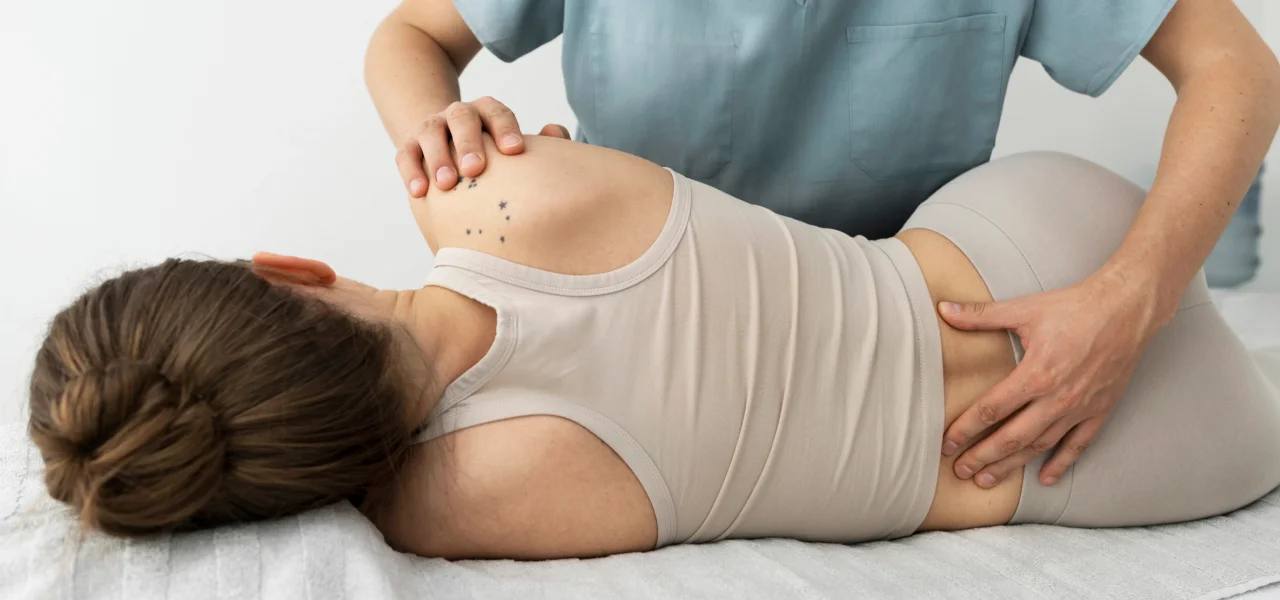
Osteopathy is a holistic form of healthcare that focuses on diagnosing, treating, and preventing musculoskeletal disorders by emphasizing the body’s ability to heal itself. It combines manual therapy, movement techniques, and postural correction to restore balance within the body. When it comes to joint pain relief and preventing future discomfort, osteopathy is particularly effective in addressing the root causes of pain, improving mobility, and promoting long-term joint health. Osteopaths look beyond just the symptoms to treat the whole body, ensuring a comprehensive approach to musculoskeletal health.
Heres how osteopathy helps with joint pain relief and preventing future discomfort:
1. Improving Joint Mobility
Joint stiffness and limited range of motion are common causes of joint pain. When joints become stiff, they lose their ability to move fluidly, which can cause pain, discomfort, and muscle strain. Osteopathy uses a variety of joint mobilization and manipulation techniques to improve the mobility of the joints and reduce stiffness.
Joint manipulation involves applying controlled pressure to specific joints to restore normal movement and alleviate pain. This technique helps break up adhesions or restrictions in the joint, improving its range of motion and reducing discomfort.
Joint mobilization is a gentler technique that uses slow, controlled movements to encourage better movement in the joint. This approach can help ease stiffness and pain, especially in joints that are less mobile, such as the shoulders, hips, or knees.
By restoring joint mobility, osteopathy helps reduce pain and discomfort, improving movement and overall joint health.
2. Addressing Misalignments in the Spine and Joints
Misalignments in the spine or peripheral joints (such as the knees, hips, or shoulders) can contribute to joint pain. These misalignments can affect how the joints move and place undue stress on surrounding muscles, ligaments, and tendons. Osteopaths use spinal manipulation and pelvic realignment to address these misalignments and restore proper alignment throughout the body.
Spinal manipulation focuses on realigning the vertebrae in the spine to ensure proper alignment and restore movement. Misalignments in the spine can affect the nervous system, leading to pain, discomfort, and muscle tension, which can contribute to joint pain. By realigning the spine, osteopathy helps improve communication between the nervous system and the muscles, reducing the risk of joint pain and discomfort.
Pelvic realignment focuses on restoring proper alignment in the pelvis, which is essential for maintaining balance and distributing weight evenly across the body. Misalignments in the pelvis can lead to pain in the lower back, hips, knees, and feet. By ensuring the pelvis is properly aligned, osteopathy helps prevent future discomfort and improves joint health.
Correcting misalignments helps the body move more efficiently and reduces the strain on the joints, contributing to pain relief and the prevention of future discomfort.
3. Reducing Muscle Tension and Releasing Tight Muscles
Tight or overactive muscles can put additional strain on the joints, leading to discomfort and pain. For example, tight hip flexors can contribute to lower back and hip pain, while tight shoulder muscles can lead to shoulder pain. Osteopathy uses myofascial release, deep tissue massage, and muscle energy techniques to reduce muscle tension, improve flexibility, and support joint function.
Myofascial release targets the fascia, the connective tissue that surrounds muscles, to release tightness and improve flexibility. This can help reduce pain in the muscles and joints, allowing for better movement and less discomfort.
Deep tissue massage helps to relieve tension in the muscles, promoting relaxation and reducing muscle stiffness. This allows the joints to move more freely, reducing the strain placed on them and preventing future discomfort.
By releasing muscle tension, osteopathy reduces the pressure on the joints, which not only provides immediate pain relief but also helps prevent future joint problems.
4. Improving Circulation to Promote Healing
Good circulation is essential for joint health and pain relief. When circulation is compromised, it can slow down the healing process and prolong discomfort. Osteopathic techniques like lymphatic drainage and soft tissue manipulation enhance circulation, ensuring that the muscles and joints receive the oxygen and nutrients they need to heal.
Lymphatic drainage helps improve the flow of lymph fluid, which removes waste products and reduces swelling around injured or inflamed joints. This can help reduce pain and accelerate recovery.
Soft tissue manipulation improves blood flow to the muscles and joints, helping to reduce inflammation and promote tissue repair.
Improved circulation allows for faster recovery and helps keep the joints healthy by ensuring that they have the nutrients they need to function optimally.
5. Preventing Future Joint Pain with Postural Education
Poor posture is one of the leading causes of joint pain and discomfort. Misaligned posture puts undue strain on the joints, especially those in the spine, hips, knees, and shoulders. Osteopathy provides postural education to help individuals develop healthier movement habits and maintain proper alignment throughout the day.
Osteopaths assess a persons posture and identify areas that need improvement. They offer guidance on how to maintain a neutral spine, sit properly, stand with balance, and move with more efficiency. This education helps reduce the strain on the joints and prevents future pain or discomfort caused by poor posture.
Regular osteopathic treatments also include movement retraining to ensure that the body is using its joints efficiently, reducing unnecessary wear and tear.
By teaching proper posture and movement habits, osteopathy helps prevent future joint problems and ensures that the joints continue to function well over time.
6. Strengthening Muscles to Support Joint Health
Weak muscles, especially those surrounding key joints, can contribute to joint pain and increase the risk of injury. Osteopaths prescribe specific strengthening exercises to target the muscles that provide support to the joints.
For example, strengthening the core muscles can support the spine and reduce lower back pain. Strengthening the glutes and quads can improve knee stability and prevent knee pain. By improving muscle strength around the joints, osteopathy ensures better joint support, reducing the risk of strain or injury.
Exercise prescription also includes activities designed to improve joint function and mobility, ensuring that the muscles surrounding the joints are strong enough to handle daily tasks without causing pain or discomfort.
Strengthening muscles around the joints provides additional support, improves mobility, and reduces the risk of future joint pain.
7. Supporting the Bodys Natural Healing Process
Osteopathy operates on the principle that the body has an inherent ability to heal itself. By improving alignment, enhancing circulation, and reducing muscle tension, osteopathy helps activate the bodys natural healing mechanisms. This approach accelerates recovery from joint pain and helps prevent future discomfort by addressing the underlying causes of pain and promoting optimal function.
Manual therapy enhances the bodys self-healing capabilities, helping to restore balance and alleviate discomfort. By treating the root causes of joint pain, osteopathy supports long-term joint health and reduces the need for medications or invasive procedures.
Osteopathy helps the body recover naturally, ensuring that the joints and surrounding tissues function at their best and are less likely to experience future issues.
Conclusion: Osteopathy for Joint Pain Relief and Prevention
Osteopathy is an effective and holistic approach to relieving joint pain and preventing future discomfort. By focusing on joint mobility, alignment, muscle tension, and postural correction, osteopathy addresses the root causes of joint pain and provides lasting relief. Through a combination of manual therapy, muscle strengthening, circulatory improvement, and postural education, osteopathy helps improve joint function, reduce pain, and promote long-term joint health.