How Osteopathy Helps with Soft Tissue Health and Recovery explores targeted strategies for recovery. Discover new paths to mobility, healing, and personalized care.

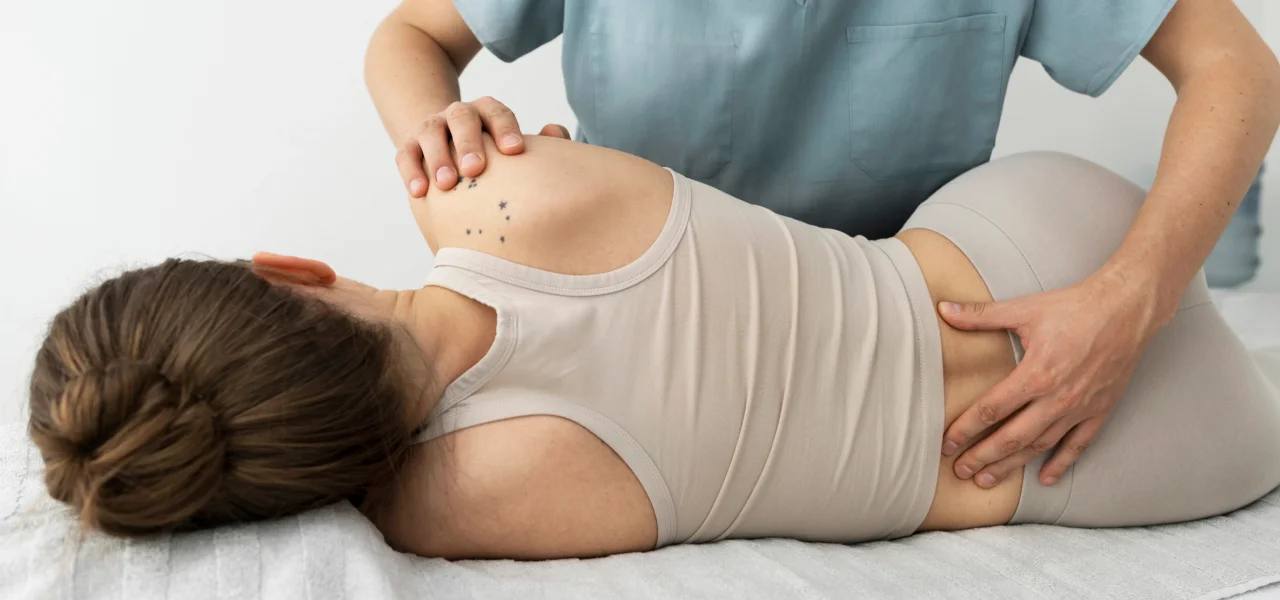
Osteopathy is a holistic treatment approach that focuses on the body’s musculoskeletal system, particularly the muscles, joints, and soft tissues. Osteopaths use a variety of manual techniques to promote healing, reduce pain, and restore optimal function. Soft tissueswhich include muscles, tendons, ligaments, fascia, and other connective tissuesplay a crucial role in movement and overall body function. When soft tissues are injured, overused, or misaligned, it can lead to pain, stiffness, and restricted movement.
Osteopathy helps improve soft tissue health and accelerate recovery by addressing the underlying causes of dysfunction, restoring balance, and promoting optimal tissue health. Here’s how osteopathy supports soft tissue health and recovery:
1. Promoting Blood Flow and Circulation
Proper circulation is essential for the healing and function of soft tissues. When circulation is impaired, tissues may not receive adequate oxygen, nutrients, and other essential elements required for repair and recovery. Osteopathy helps enhance blood flow to the soft tissues, which accelerates the healing process and supports optimal tissue function.
Manual techniques, such as myofascial release, soft tissue manipulation, and lymphatic drainage, help stimulate circulation and encourage better blood flow to the affected areas. This ensures that the tissues receive the nutrients and oxygen necessary for healing.
Joint mobilization and spinal manipulation also enhance blood flow by improving the movement of fluids in the body, which promotes healing and reduces inflammation in the soft tissues.
By improving circulation, osteopathy supports soft tissue recovery and reduces swelling, pain, and inflammation.
2. Reducing Muscle Tension and Stiffness
Soft tissue injuries or prolonged muscle tightness can result in stiffness, discomfort, and limited mobility. Osteopathy effectively reduces muscle tension and stiffness through various hands-on techniques, which helps restore normal function and range of motion.
Myofascial release targets tight areas in the muscles and fascia to relieve tension and restore elasticity. This technique applies gentle, sustained pressure to restricted areas of the body to release fascial restrictions and improve flexibility.
Deep tissue manipulation is another osteopathic technique that helps release tight muscles and fascia, promoting relaxation and reducing pain. This increases mobility and enhances flexibility, allowing for smoother and more efficient movement.
By reducing muscle tension and increasing soft tissue flexibility, osteopathy restores function and reduces the risk of injury.
3. Improving Soft Tissue Alignment and Function
Misalignment of soft tissues, such as the fascia, muscles, and ligaments, can contribute to pain, discomfort, and inefficient movement. Osteopathy focuses on restoring proper alignment to these soft tissues, which helps the body function optimally and reduces the likelihood of developing chronic pain or injury.
Spinal manipulation and joint mobilization help improve the alignment of the spine and joints, which reduces strain on the surrounding soft tissues. This allows for more balanced and efficient movement, reducing the risk of injury.
Postural correction is a key element of osteopathic treatment. By improving posture and restoring proper alignment to the spine and pelvis, osteopathy helps balance the soft tissues, reducing unnecessary strain and improving overall function.
By addressing soft tissue misalignments and improving joint and spinal alignment, osteopathy restores normal body function and promotes better movement.
4. Accelerating Tissue Repair and Recovery
Soft tissue injuries, whether from acute trauma, overuse, or repetitive stress, require time to heal properly. Osteopathy helps speed up the recovery process by improving tissue health, promoting circulation, and reducing inflammation.
Cranial-sacral therapy and gentle manipulation techniques are used to activate the body’s healing processes. These therapies help stimulate the nervous system and promote the body’s natural ability to repair and restore tissues.
Soft tissue techniques like deep tissue work and myofascial release also help break up scar tissue and adhesions that may have formed during the healing process. This helps restore tissue elasticity, flexibility, and strength, preventing future stiffness and discomfort.
By accelerating tissue repair, osteopathy ensures that soft tissue injuries heal more effectively and that the individual can return to their normal activities with less pain and discomfort.
5. Reducing Inflammation and Swelling
Inflammation and swelling are common responses to soft tissue injuries. While inflammation is part of the healing process, excessive swelling can lead to prolonged pain, stiffness, and discomfort. Osteopathy helps manage and reduce inflammation through hands-on techniques that improve circulation and promote healing.
Lymphatic drainage techniques are often used in osteopathy to help the body clear excess fluids from the tissues, which reduces swelling and promotes faster healing.
Myofascial release and joint mobilization also help to improve fluid movement in the body, which supports the removal of waste products and reduces the buildup of fluid in injured areas.
By reducing inflammation and swelling, osteopathy accelerates the healing process and helps reduce the discomfort associated with soft tissue injuries.
6. Enhancing Range of Motion and Flexibility
After a soft tissue injury, the affected area may become stiff, limiting the range of motion and making it difficult to perform everyday activities or exercise. Osteopathy works to restore range of motion and flexibility through manual therapy techniques that improve joint and tissue mobility.
Joint mobilization and myofascial release help restore movement to stiff joints and muscles, improving the range of motion in the affected areas.
Stretching techniques and muscle energy techniques are used to lengthen tight muscles and improve the flexibility of the surrounding tissues. This allows for better movement and reduced discomfort during physical activity.
By improving range of motion and flexibility, osteopathy helps to restore functional movement and reduces the likelihood of stiffness or future injury.
7. Preventing Future Injuries
Osteopathy is not only effective for treating existing soft tissue injuries but also for preventing future injuries. Through postural correction, muscle balancing, and movement education, osteopaths help individuals improve their body mechanics, reducing the strain on muscles and tissues.
Movement retraining teaches individuals how to move more efficiently, ensuring that they are using the proper muscles and joints when performing physical activities. This prevents undue strain on soft tissues and reduces the risk of injury.
Postural education helps individuals maintain proper alignment throughout their daily activities. Proper posture ensures that the muscles and joints are not under excessive strain, reducing the likelihood of future discomfort or injury.
By focusing on injury prevention, osteopathy helps individuals maintain soft tissue health and ensures that they can perform their daily activities and physical exercises without discomfort.
8. Supporting Long-Term Soft Tissue Health
Osteopathy promotes long-term soft tissue health by addressing any structural or functional imbalances early on and ensuring that the body remains in optimal condition. Regular osteopathic treatments help maintain alignment, muscle balance, and tissue health over time, preventing chronic conditions and improving overall wellness.
Ongoing osteopathic care ensures that the body remains balanced, resilient, and free of tension. By addressing small issues before they become major problems, osteopathy supports long-term health and wellness.
Movement education and postural correction provided through osteopathy ensure that individuals continue to use their body effectively and without strain, maintaining soft tissue health and preventing future injury.
By providing preventive care, osteopathy helps individuals maintain healthy muscles, joints, and fascia for long-term function and mobility.
Conclusion: Osteopathy for Soft Tissue Health and Recovery
Osteopathy is a highly effective approach to promoting soft tissue health and accelerating recovery. By focusing on the bodys alignment, circulation, muscle function, and tissue flexibility, osteopathy addresses the root causes of pain and dysfunction, providing relief and supporting the healing process. Whether you’re recovering from an injury, managing chronic tension, or looking to improve overall soft tissue health, osteopathy offers a holistic and sustainable solution for better movement and long-term wellness.
Through techniques such as myofascial release, joint mobilization, spinal manipulation, and postural correction, osteopathy helps ensure that soft tissues heal properly, function optimally, and remain healthy for years to come. By reducing pain, improving flexibility, and preventing future injuries, osteopathy is an essential part of maintaining long-term soft tissue health and overall recovery.