How Osteopathy Helps with Spinal Health and Reduces Pain explores targeted strategies for recovery. Discover new paths to mobility, healing, and personalized care.

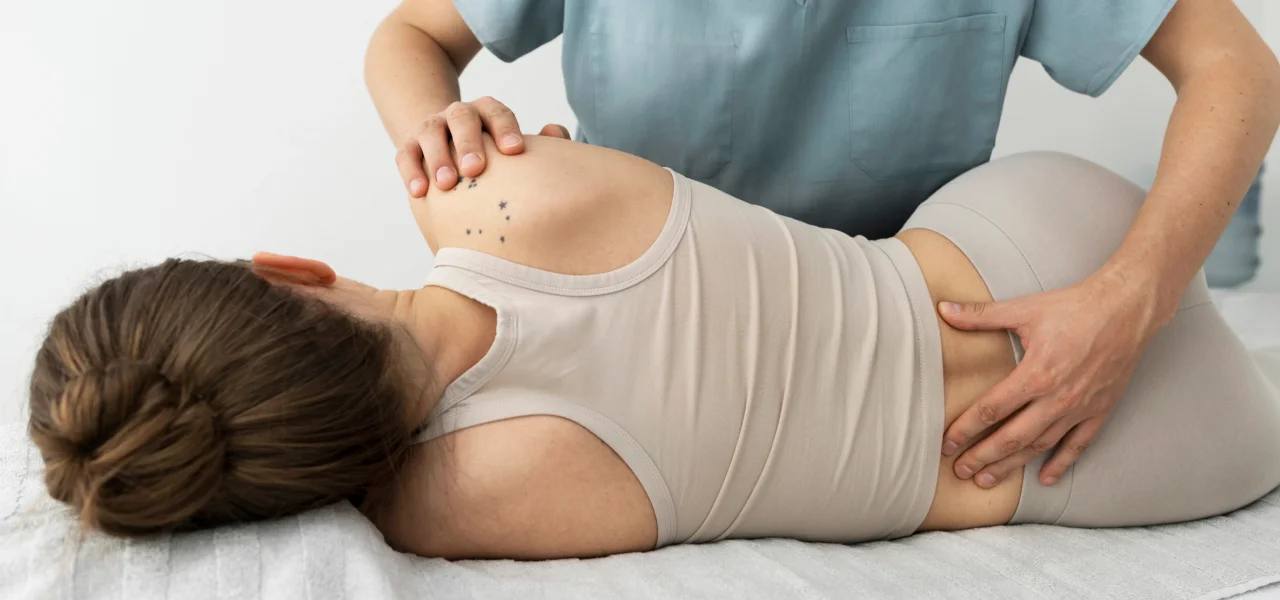
Osteopathy is a holistic healthcare approach that emphasizes the interconnection between the bodys structure and its overall function. Spinal health is a key focus in osteopathic treatment, as the spine plays a central role in maintaining overall body alignment, mobility, and function. Misalignments, poor posture, muscle imbalances, or injuries to the spine can lead to pain and discomfort. Osteopathy uses hands-on techniques to restore balance, improve spinal alignment, and reduce pain, ultimately promoting better spinal health and function.
Heres how osteopathy helps with spinal health and reduces pain:
1. Restoring Spinal Alignment
The spine is the central structure of the body and supports the head, neck, and limbs. Misalignments or subluxations in the spine can interfere with nerve function, cause muscle strain, and result in pain in areas like the back, neck, and shoulders. Osteopathic techniques, such as spinal manipulation and joint mobilization, help restore proper spinal alignment.
Spinal manipulation involves gently adjusting the vertebrae to their proper position. This helps to relieve pressure on nerves, improve circulation, and restore balance to the musculoskeletal system.
Joint mobilization techniques are used to gently move the spinal joints, improving their mobility and reducing stiffness. This can help alleviate pain caused by joint restrictions, such as in cases of sciatica or spondylosis.
By realigning the spine, osteopathy reduces muscle strain, alleviates nerve pressure, and promotes overall spinal health, leading to a reduction in pain.
2. Improving Posture and Reducing Spinal Stress
Poor posture, such as slouching or forward head posture, places undue stress on the spine and surrounding muscles, contributing to discomfort and pain, particularly in the lower back, neck, and shoulders. Osteopathy helps correct postural imbalances and reduces stress on the spine.
Postural correction is a core aspect of osteopathy. By addressing misalignments in the spine and pelvis, osteopaths ensure that the body is aligned in a way that reduces strain on the muscles and joints, preventing the development of pain caused by poor posture.
Osteopaths may also provide postural education to teach individuals how to maintain better posture while sitting, standing, and moving, which reduces long-term stress on the spine.
By improving posture and reducing spinal stress, osteopathy helps prevent spinal pain and promotes better alignment for long-term spinal health.
3. Reducing Muscle Tension and Spinal Stiffness
Muscle tension, particularly in the back, neck, and shoulders, is a common cause of spinal pain. Tight or overworked muscles can restrict movement, lead to poor posture, and cause discomfort. Osteopathy works to release muscle tension and reduce stiffness in the spine through various manual techniques.
Myofascial release is a technique used to release tightness in the fascia, the connective tissue surrounding muscles. By applying sustained pressure to tight areas, osteopaths help to release tension and restore normal muscle function around the spine.
Soft tissue manipulation and deep tissue massage target muscle stiffness and trigger points, improving circulation and relaxing the muscles around the spine. This helps to alleviate pain and restore flexibility.
By reducing muscle tension and increasing spinal flexibility, osteopathy alleviates discomfort and helps the spine move more freely, improving overall spinal health.
4. Improving Circulation and Tissue Health
Poor circulation in the spine and surrounding muscles can contribute to stiffness, inflammation, and pain. Osteopathy enhances circulation by using manual techniques that increase blood flow to the muscles, joints, and tissues around the spine.
Spinal manipulation and lymphatic drainage techniques in osteopathy help promote better circulation, ensuring that the muscles and tissues receive adequate oxygen and nutrients for healing. This supports the natural recovery process and helps reduce inflammation that contributes to pain.
Increased circulation also aids in the removal of metabolic waste products from the tissues, reducing swelling and promoting overall tissue health.
By improving circulation, osteopathy supports the bodys healing processes, reduces inflammation, and helps restore the health of the spinal tissues, ultimately reducing pain and promoting long-term spinal health.
5. Treating and Preventing Back Pain
Back pain is one of the most common reasons people seek osteopathic treatment. It can result from a variety of causes, including muscle strain, joint dysfunction, or spinal misalignment. Osteopathy helps treat back pain by addressing its underlying causes and providing effective relief.
Spinal manipulation can provide immediate relief from lower back pain, particularly when caused by muscular tension or joint dysfunction. By realigning the spine and improving joint mobility, osteopathy reduces pain and enhances movement.
Postural correction and strengthening exercises are often incorporated into osteopathic treatment plans to prevent back pain from recurring. Strengthening the muscles that support the spine ensures that the back remains stable and resistant to injury.
By treating both the acute pain and underlying causes of back pain, osteopathy helps individuals recover and maintain a healthy spine, reducing the risk of future discomfort.
6. Enhancing Range of Motion and Flexibility
Stiffness and reduced range of motion in the spine can contribute to pain and difficulty with movement. Osteopathy helps improve flexibility and range of motion by addressing restrictions in the spine and surrounding tissues.
Joint mobilization and myofascial release help restore movement in restricted spinal joints, increasing flexibility and reducing stiffness. This makes it easier to move the spine and surrounding muscles without pain.
Stretching and manual therapy help to lengthen tight muscles and fascia, improving flexibility and reducing the risk of muscle strain or injury.
Increased range of motion and flexibility in the spine help reduce discomfort, improve movement, and support overall spinal health.
7. Preventing Future Spinal Issues
Osteopathy isnt just about treating existing spinal painit’s also about preventing future issues. Through regular osteopathic treatments, individuals can maintain a healthy spine, prevent injuries, and improve overall function.
Preventive care is an important aspect of osteopathy. By addressing misalignments, muscle imbalances, and postural issues early, osteopaths help prevent the development of chronic spinal conditions, such as degenerative disc disease or scoliosis.
Movement education and postural training ensure that individuals continue to move with proper alignment and body mechanics, reducing the risk of future spinal problems or injuries.
By focusing on prevention, osteopathy helps ensure long-term spinal health and reduces the risk of chronic spinal issues and pain.
8. Supporting Overall Well-Being
Spinal health plays a significant role in overall physical well-being. When the spine is properly aligned and functioning, it allows the entire body to move more efficiently, reducing stress on the muscles, joints, and nervous system. Osteopathy not only addresses spinal issues but also improves general health and mobility.
Osteopaths often treat the whole body, recognizing the interconnectedness of all systems. By addressing spinal health and promoting better movement, osteopathy helps improve posture, flexibility, strength, and overall function.
Stress relief is another benefit of osteopathic treatment. Since the spine plays a crucial role in nervous system function, improving spinal health can also reduce stress and contribute to a more relaxed, balanced state.
By improving spinal health, osteopathy enhances overall well-being and supports the bodys ability to function optimally.
Conclusion: Osteopathy for Spinal Health and Pain Relief
Osteopathy offers an effective, holistic approach to spinal health and pain relief by addressing the root causes of discomfort and promoting optimal spinal alignment, flexibility, and function. Through techniques such as spinal manipulation, joint mobilization, myofascial release, and postural correction, osteopathy helps to reduce pain, improve range of motion, and prevent future spinal issues.