How Osteopathy Improves Flexibility and Range of Motion explores targeted strategies for recovery. Discover new paths to mobility, healing, and personalized care.

Lets talk posture.
Not the sit up straight at your desk kind of posturebut the deep, natural alignment your body wants to have. The kind of posture that doesnt just look goodit feels good, too.
If youve been dealing with nagging back pain, tight shoulders, or a stiff neck, your posture might be at the heart of it all. And one powerful, lasting way to fix it? Structural Integration (SI)a transformative bodywork method that helps you realign, rebalance, and rediscover what pain-free posture really feels like.
Lets dive in.
????? What Is Posture, Really?
We often think of posture as simply standing tall. But true, healthy posture is effortless alignment. Its when your head, spine, hips, and feet are stacked in a way that supports natural movement and takes the pressure off your muscles and joints.
Bad posture, on the other hand, is often the result of:
Sitting for long periods
Repetitive motions (hello, phone scrolling!)
Injuries or surgeries
Emotional stress
Old movement habits that your body memorized
And over time, those habits lock into your fasciathe connective tissue that wraps your entire body. Thats where Structural Integration works its magic.
??? How Structural Integration Improves Posture
Structural Integration focuses on your fascia, helping it unwind, soften, and realign. Unlike a quick massage or chiropractic adjustment, SI takes a full-body approach to rebalancing your structure long-term.
Heres how it helps straighten things outliterally:
1. Releases Fascial Tension
Tight fascia pulls your body out of alignment. SI uses slow, deliberate pressure to release those restrictions, allowing your spine and joints to naturally settle into a healthier position.
2. Brings Your Body Back into Vertical Alignment
SI works to get your body aligned with gravity, so it stops fighting itself. Think of it as recalibrating your bodys internal blueprint.
When your structure is aligned:
Movement becomes easier
You stop overusing certain muscles
Pressure and strain on joints decrease
3. Increases Awareness and Connection
SI helps you feel your posture in a new way. Youll become more aware of how you stand, move, and even breathehelping you self-correct posture without needing reminders from your smartwatch or sticky notes.
?? Poor Posture = Pain (and Its Not Just Cosmetic)
Lets be clearpoor posture isnt just about looks. Its often the hidden cause of:
Neck and back pain
Headaches and jaw tension
Shoulder stiffness
Fatigue
Shallow breathing
Hip and knee issues
Your body is one integrated system. If one part is out of balance, the rest of your structure will compensate. Over time, that compensation turns into chronic pain and restricted movement.
Fixing your posture doesnt just relieve painit prevents it from coming back.
? What to Expect in a Structural Integration Session
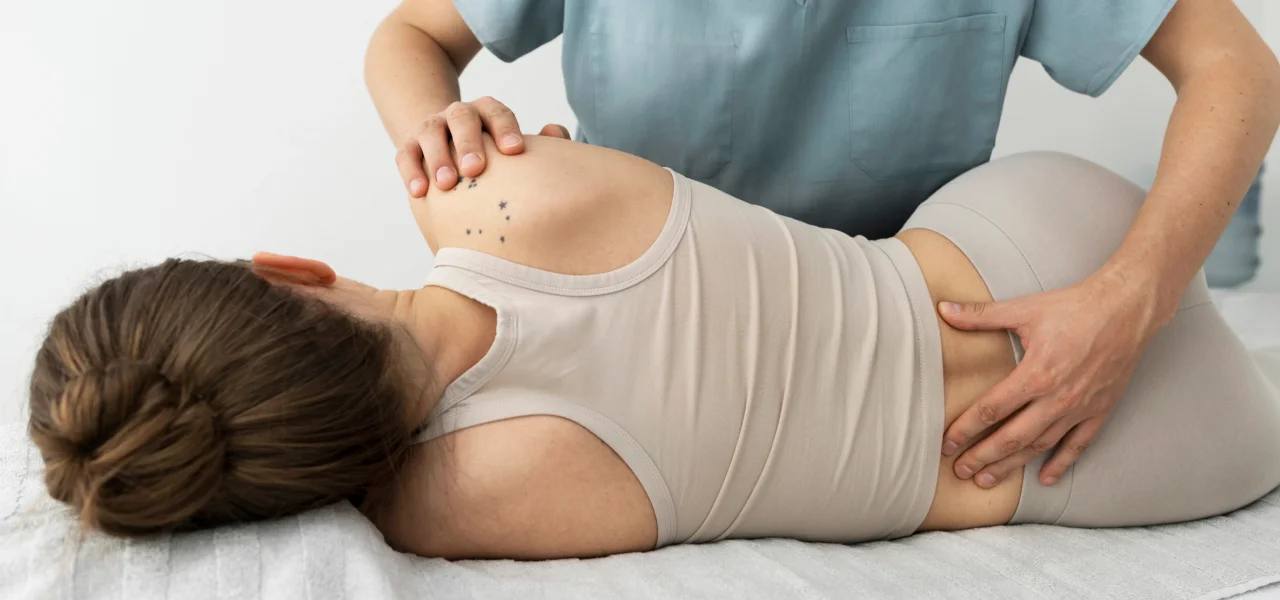
Your first SI session will usually start with an assessment of how you stand, walk, and breathe. Your practitioner will then use gentle, firm pressure on key areas of your fasciaoften asking you to move or breathe with them.
Over a series of sessions (typically 10), youll work through the layers of your bodyfrom the surface down to the deep core. The result is a more upright, balanced, and effortless posture.
Clients often say things like:
I feel like Im standing taller without trying.
Im breathing deeper and moving easier.
My back doesnt ache at the end of the day anymore.
?? The Long-Term Payoff
When your posture improves, everything changes:
Less pain, more freedom
Better movement and flexibility
Improved breathing and energy
Increased body awareness and confidence
And because Structural Integration works at the level of structurenot just surface tensionthe results are long-lasting.
?? Final Word: Realign Your Body, Realign Your Life
If youve been living with pain, stiffness, or fatigue tied to poor posture, its time to go beyond quick fixes. Structural Integration offers a smarter, deeper solution by helping your body return to its natural blueprintone that moves freely, breathes fully, and stands strong.
Because good posture isnt about standing up straightits about standing in alignment with your life.