How Osteopathy Improves Joint Function and Reduces Stiffness explores targeted strategies for recovery. Discover new paths to mobility, healing, and personalized care.

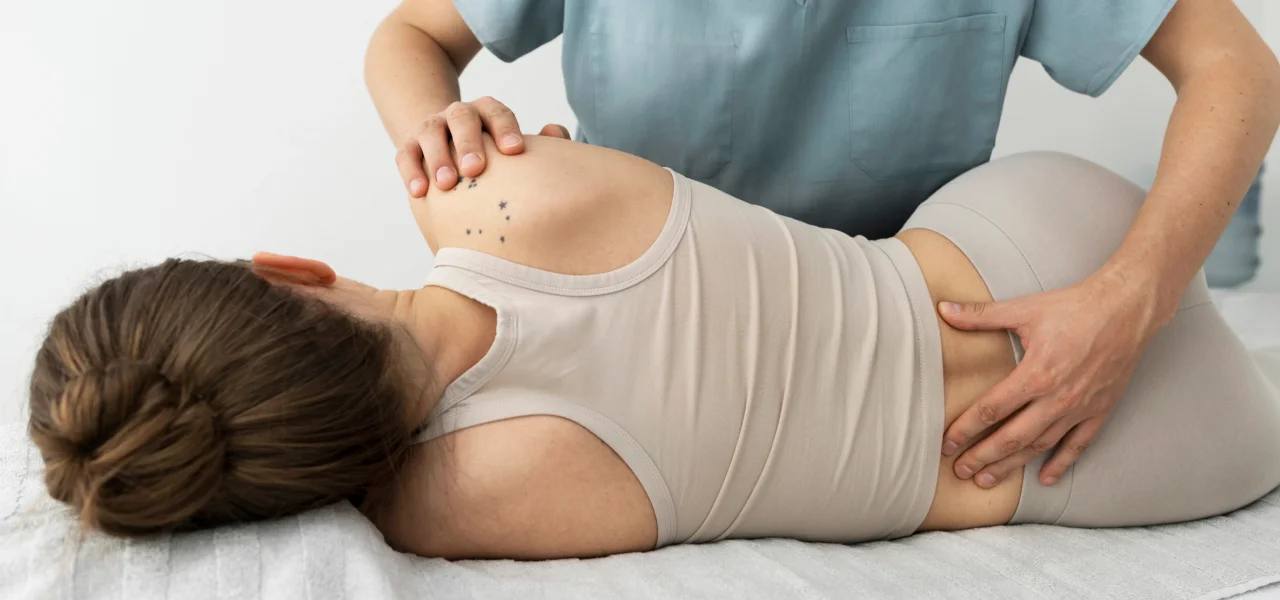
Osteopathy is a holistic form of healthcare that focuses on diagnosing, treating, and preventing a variety of musculoskeletal issues. One of the primary goals of osteopathy is to improve joint function and reduce stiffness, particularly in areas such as the spine, hips, knees, shoulders, and other joints. Through a combination of manual techniques, osteopaths work to improve the alignment and mobility of the joints, reduce muscle tension, and enhance overall body function.
Heres how osteopathy works to improve joint function and reduce stiffness:
1. Restoring Joint Mobility through Manual Techniques
Joint stiffness often occurs when the range of motion in a joint is limited due to tight muscles, misalignment, or other factors like injury or inflammation. Osteopaths use joint manipulation and mobilization techniques to restore the normal movement of the joints and alleviate stiffness.
Joint manipulation involves applying controlled pressure to a joint to improve its range of motion and restore proper function. By gently manipulating the joint, the osteopath can break up adhesions or restrictions in the joint capsule, leading to improved mobility.
Joint mobilization is a gentler technique that involves slow, controlled movements to restore the joints natural movement. This helps improve flexibility and reduces the discomfort associated with stiff joints.
By restoring joint mobility, osteopathy helps reduce the limitations caused by stiffness and pain, allowing for better movement in daily activities and exercise.
2. Reducing Muscle Tension and Tightness
Muscle tension is a common contributor to joint stiffness. When muscles become tight or overactive, they can restrict joint movement and place additional strain on the surrounding tissues. Osteopaths use various soft tissue techniques such as myofascial release, muscle energy techniques, and deep tissue massage to release muscle tension, reduce tightness, and improve muscle flexibility.
Myofascial release targets the fascia, the connective tissue that surrounds muscles, to release restrictions that limit movement.
Muscle energy techniques use gentle muscle contractions to stretch and lengthen tight muscles, promoting better flexibility and reducing stiffness in the joints.
By addressing muscle tension, osteopathy helps the muscles and joints move more freely, improving overall joint function and reducing stiffness.
3. Improving Circulation to the Joints
Poor circulation can contribute to stiffness and slow down the healing process in injured or inflamed joints. When blood flow is restricted, the joints may not receive the oxygen and nutrients they need for proper function and recovery. Osteopathic treatments, such as soft tissue therapy and lymphatic drainage, improve circulation by releasing tension in the muscles and fascia, encouraging better blood flow to the joints.
Improved circulation enhances the delivery of oxygen and nutrients to the affected tissues, while also helping to remove waste products from the joints and muscles. This promotes healing, reduces inflammation, and improves joint mobility by preventing the build-up of toxins and swelling that can contribute to stiffness.
4. Restoring Alignment and Postural Balance
Poor posture and misalignments in the spine or joints can cause joint stiffness and limit mobility. For instance, a misaligned spine can place undue pressure on the joints of the neck, shoulders, and lower back, leading to pain and stiffness. Osteopathy works to restore alignment in the body by using techniques like spinal manipulation and pelvic realignment.
Spinal manipulation helps realign the vertebrae in the spine, improving the movement of the entire spine and reducing strain on surrounding muscles and joints.
Pelvic realignment corrects imbalances in the pelvis, which can affect the hips, knees, and lower back. By ensuring the pelvis is aligned properly, osteopathy helps distribute weight evenly across the joints and reduces stiffness caused by poor alignment.
By restoring alignment and postural balance, osteopathy reduces the stress on the joints, improves their function, and prevents stiffness from occurring.
5. Enhancing Flexibility and Range of Motion
Stiffness in the joints often results in a reduced range of motion, which can make it difficult to move freely or perform everyday tasks. Osteopathy helps improve joint function by addressing the underlying causes of stiffness, such as fascial restrictions, muscle tension, or misalignment.
Osteopaths use techniques like joint mobilization, myofascial release, and stretching to improve the flexibility and range of motion in the joints. For example, by releasing tight fascia around the shoulder or hip, osteopathy helps restore full mobility, making it easier to move without pain or discomfort.
Increased flexibility and improved joint range of motion also help reduce the likelihood of future stiffness and pain, as the joints can move more freely and efficiently.
6. Reducing Inflammation in the Joints
Inflammation in the joints, often due to injury or conditions like arthritis, can lead to stiffness, pain, and reduced mobility. Osteopathy works to reduce inflammation and promote joint health through techniques that improve circulation and restore proper alignment.
Manual therapy, including soft tissue manipulation and joint mobilization, enhances blood flow to the inflamed areas, helping to reduce swelling and discomfort in the joints.
Lymphatic drainage techniques help move excess fluid away from inflamed tissues, further reducing swelling and promoting healing.
By addressing inflammation and improving circulation, osteopathy reduces joint stiffness, alleviates pain, and accelerates the recovery process.
7. Promoting Joint Stability and Function
Osteopathy focuses on not only improving mobility but also stabilizing the joints to prevent future stiffness or injury. When the muscles around a joint are weak or imbalanced, the joint may become unstable, leading to discomfort and a greater risk of injury. Osteopaths assess and address muscle imbalances by providing targeted exercises and techniques to strengthen the muscles around the joints.
For example, strengthening the muscles in the core, hips, and legs can improve the stability of the knee and hip joints, while improving the muscles around the shoulder and spine can enhance the stability and function of the upper body. This focus on strengthening the muscles that support the joints helps improve joint function and reduce the risk of future stiffness or injury.
8. Supporting Long-Term Joint Health
Osteopathy does more than just alleviate joint stiffness in the short term. By addressing postural issues, muscle imbalances, and alignment problems, osteopathy supports long-term joint health and prevents chronic stiffness from developing. Regular osteopathic treatments help maintain optimal joint function and mobility, ensuring that the body remains balanced, flexible, and resilient.
Through preventive care, osteopathy helps patients develop better movement habits, improve posture, and strengthen muscles, all of which contribute to long-term joint health and reduced risk of stiffness or injury.
9. Enhancing Overall Body Function
Joint stiffness and limited mobility often affect not only the joints themselves but also the bodys overall function. When one part of the body is restricted, it can cause compensations in other areas, leading to discomfort, pain, or dysfunction. Osteopathy takes a whole-body approach by addressing how the joints, muscles, and fascia work together to produce movement.
By improving joint function and reducing stiffness in one area of the body, osteopathy helps the body move more efficiently as a whole, supporting overall physical well-being. This interconnected approach helps prevent stiffness and pain in the joints and contributes to better overall health and vitality.
Conclusion: Osteopathy for Joint Function and Stiffness Relief
Osteopathy is a highly effective treatment for improving joint function and reducing stiffness. Through a combination of manual techniques like joint manipulation, myofascial release, and muscle energy techniques, osteopathy addresses the root causes of joint stiffness and promotes optimal movement. By restoring alignment, releasing muscle tension, and improving circulation, osteopathy helps the joints move more freely and efficiently, reducing discomfort and preventing future stiffness or injury. Whether you’re dealing with acute joint stiffness or seeking to maintain long-term joint health, osteopathy offers a holistic, comprehensive solution for improving mobility and overall function.