How Osteopathy Improves Posture and Reduces Pain explores targeted strategies for recovery. Discover new paths to mobility, healing, and personalized care.

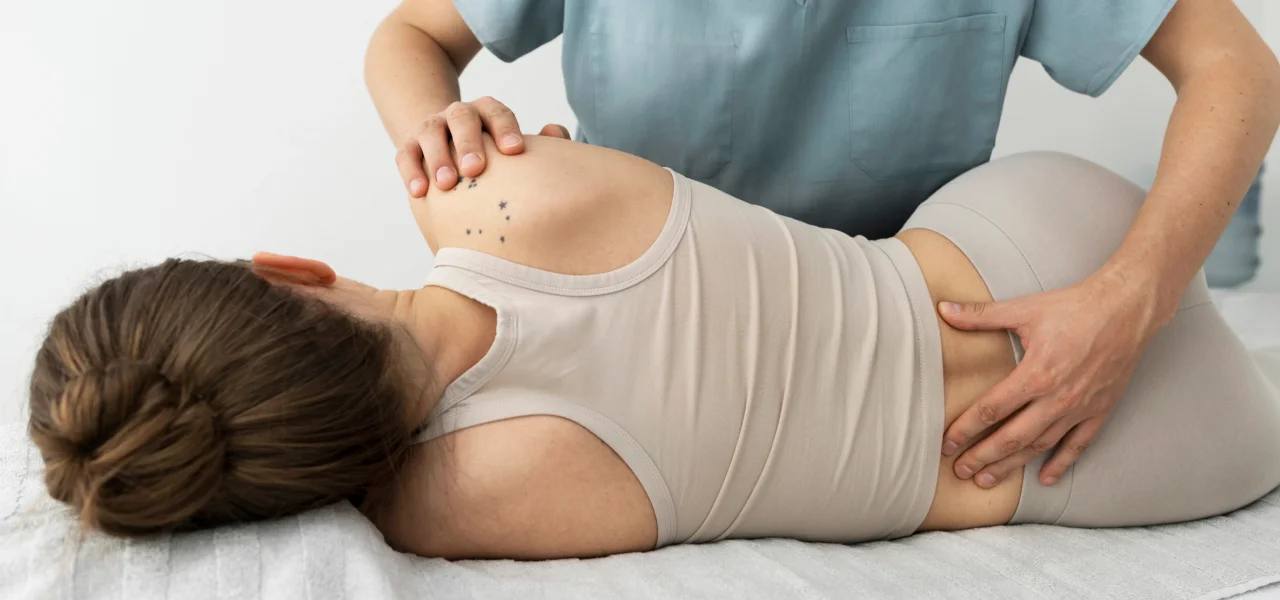
Osteopathy is a holistic approach to healthcare that focuses on the musculoskeletal systembones, muscles, and jointsand how these structures influence overall health. Osteopathic treatments involve hands-on techniques such as spinal manipulation, joint mobilization, and soft tissue therapy to improve posture, reduce pain, and restore balance to the body. Postural issues and pain are often interconnected, as poor posture can lead to muscle imbalances, joint misalignments, and chronic discomfort. Osteopathy addresses both the root causes of poor posture and the pain associated with it, providing long-term solutions for improving movement and relieving discomfort.
Heres how osteopathy works to improve posture and reduce pain:
1. Restoring Spinal Alignment
The spine plays a crucial role in posture, and misalignments in the vertebrae can lead to poor posture and pain. Osteopaths use spinal manipulation and joint mobilization techniques to realign the spine and restore its natural curvature. When the spine is aligned correctly, it helps maintain proper posture, reduces muscle strain, and improves overall function.
Spinal manipulation involves applying controlled force to the spine to realign the vertebrae, relieving pressure on nerves, muscles, and joints. This helps improve posture and reduce pain, especially in the neck, shoulders, and lower back.
Joint mobilization focuses on restoring movement to stiff or restricted joints, particularly those in the spine. By improving mobility, osteopathy helps the body move more freely and reduces discomfort caused by misalignment.
Realigning the spine improves posture and alleviates the strain placed on surrounding muscles, helping reduce pain in the back, neck, and joints.
2. Addressing Muscular Imbalances
Muscular imbalances are a common cause of poor posture and pain. When certain muscles are weak, while others become tight or overactive, it can pull the body out of alignment and lead to discomfort. Osteopathy focuses on correcting muscle imbalances by using manual techniques such as myofascial release, deep tissue manipulation, and muscle energy techniques.
Myofascial release targets tight fascia (the connective tissue that surrounds muscles), releasing restrictions and improving flexibility. This helps to relieve tension in the muscles that may be contributing to poor posture and pain.
Muscle energy techniques involve using gentle muscle contractions to stretch and lengthen tight muscles. These techniques help to activate weak muscles and release tight ones, bringing the body back into balance.
By addressing muscle imbalances, osteopathy improves posture and reduces the strain on muscles, helping to relieve pain and prevent future discomfort.
3. Correcting Poor Posture and Alignment
Poor posture, such as slouching, forward head posture, or rounded shoulders, can lead to musculoskeletal pain over time. Osteopathy helps by assessing and correcting posture through hands-on techniques and postural education. By improving alignment, osteopathy ensures that the bodys weight is distributed evenly, reducing stress on the muscles, joints, and ligaments.
Postural education is a key component of osteopathic treatment. Osteopaths provide guidance on how to sit, stand, and move in ways that support better posture. Simple changes in daily habits, such as adjusting chair height, sitting with proper lumbar support, and standing with a neutral spine, can significantly improve posture and reduce pain.
By improving posture, osteopathy reduces the risk of developing chronic pain and discomfort, especially in areas like the neck, lower back, and shoulders.
4. Enhancing Flexibility and Range of Motion
When muscles and joints are tight, it can limit flexibility and reduce the range of motion. This can contribute to poor posture and pain, especially during physical activity. Osteopathy improves flexibility and range of motion by targeting fascial restrictions, stiff joints, and tight muscles.
Joint mobilization techniques help to increase the range of motion in restricted joints, ensuring that the body can move freely and without discomfort. This is particularly helpful in improving the mobility of the spine, hips, shoulders, and knees.
Stretching and soft tissue manipulation help to release tight muscles and fascia, allowing them to lengthen and become more flexible. Improved flexibility supports better posture and reduces the risk of muscle strain or injury.
By improving flexibility and range of motion, osteopathy helps the body move more fluidly, reducing the risk of pain and improving overall posture.
5. Reducing Tension and Stress
Chronic stress can lead to muscle tension, especially in areas like the neck, shoulders, and back. This tension can cause discomfort and contribute to poor posture. Osteopathy helps to reduce stress and muscle tension through relaxation techniques and manual therapy.
Cranial-sacral therapy is one technique used in osteopathy to promote relaxation and reduce stress. This gentle technique involves applying light pressure to the head and spine to release tension and stimulate the bodys natural healing processes.
Soft tissue manipulation helps to relax tight muscles and release the physical manifestations of stress. By reducing muscle tension, osteopathy helps to improve posture and alleviate discomfort caused by stress.
By addressing both the physical and emotional aspects of stress, osteopathy promotes relaxation, reduces tension, and improves posture, leading to pain relief.
6. Improving Circulation and Tissue Health
Inadequate circulation can contribute to muscle tightness, inflammation, and pain. Osteopathy promotes better circulation by releasing fascial restrictions, improving joint mobility, and enhancing tissue health.
Lymphatic drainage and soft tissue manipulation help increase blood flow to the muscles and joints, ensuring that the tissues receive the oxygen and nutrients they need to heal and function properly.
Increased circulation reduces inflammation and speeds up the recovery process, helping to relieve pain and improve overall tissue health.
Better circulation ensures that the bodys tissues remain healthy and resilient, reducing the likelihood of future pain or discomfort.
7. Preventing Future Pain and Postural Issues
Osteopathy doesnt just focus on treating existing pain; it also helps prevent future discomfort by promoting long-term health and posture. By addressing the underlying causes of pain and improving overall body mechanics, osteopathy helps reduce the risk of chronic pain or injury.
Preventive care is a key part of osteopathy. Through regular treatments, individuals can maintain optimal alignment, improve flexibility, and strengthen muscles to ensure long-term joint and postural health.
Postural education and movement re-education teach individuals how to move efficiently and with proper alignment, reducing the risk of developing poor posture or musculoskeletal pain in the future.
By taking a preventive approach, osteopathy ensures long-term relief from pain and helps maintain optimal posture and mobility.
Conclusion: Osteopathy for Posture Improvement and Pain Relief
Osteopathy is an effective and holistic treatment for improving posture and reducing pain. By addressing misalignments, muscle imbalances, joint restrictions, and postural habits, osteopathy helps restore balance to the body, enhance flexibility, and relieve tension. The manual techniques used in osteopathy, combined with postural education and preventive care, provide long-lasting relief from pain and discomfort.