How Osteopathy Promotes Better Joint Health and Mobility explores targeted strategies for recovery. Discover new paths to mobility, healing, and personalized care.

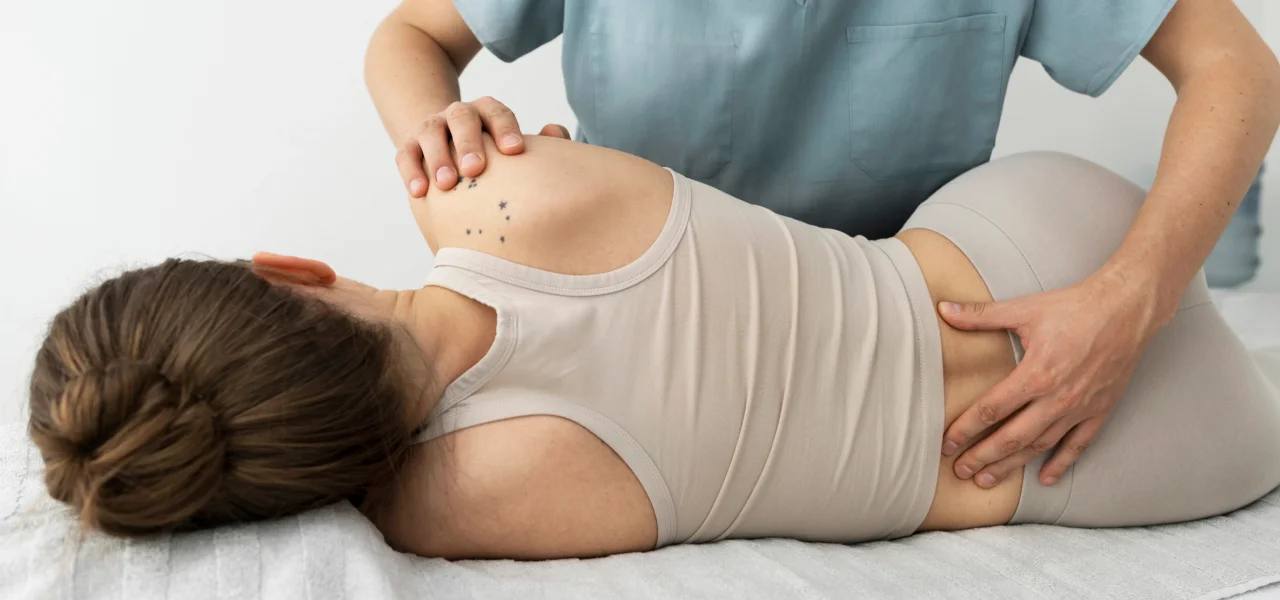
Gentle care for the joints that keep you moving.
We all know how important joints aretheyre the hinges, pivots, and gliders that let us walk, reach, bend, twist, and dance (even if its just in the kitchen). But when your joints start to feel stiff, achy, or restricted, it can take a real toll on your daily life. Thats where osteopathy steps inoffering a hands-on, holistic approach to restoring comfort and freedom of movement.
Lets dive into how osteopathy helps keep your joints happy and healthy.
So, Whats Going on With Our Joints?
Joints are where two or more bones meet, cushioned by cartilage, lubricated by synovial fluid, and supported by a web of muscles, ligaments, and connective tissue. But life happensinjuries, poor posture, repetitive strain, inflammation, or even stress can cause things to get misaligned or stuck.
Thats when you might start noticing:
Reduced range of motion
Clicking or grinding
Pain when moving
Stiffness after sitting or sleeping
A general creaky feeling
How Osteopathy Helps
Osteopaths are trained to detect even the subtlest changes in joint movement and alignment. Using gentle, targeted techniques, they help restore mobility and reduce tensionwithout relying on medication or invasive procedures.
Heres how osteopathy promotes joint health:
1. Improving Joint Alignment
Sometimes, joints can shift slightly out of place due to muscular imbalances, injuries, or everyday strain. Osteopaths use mobilisation and manipulation techniques to gently guide them back into a more natural position. This reduces unnecessary stress on the surrounding tissues and helps the joint move more freely.
2. Enhancing Circulation and Lubrication
Healthy joints need good blood flow and proper lubrication to function smoothly. Osteopathic techniques like soft tissue massage and rhythmic joint movement help increase circulation to the area, encouraging the production of synovial fluidyour joints natural lubricant.
3. Releasing Tension Around the Joint
Often, tight muscles or fascia around a joint are whats really limiting movement. Osteopaths work on these surrounding tissues to relieve tension, improve flexibility, and take the pressure off the joint itself. The result? Easier, more fluid motion.
4. Addressing the Whole Body, Not Just the Joint
One of the things that makes osteopathy so unique is its holistic approach. A sore knee might actually be caused by poor hip alignment. A stiff shoulder? Could be linked to how your ribs or neck are moving. Osteopaths look at the bigger picture to correct the root causenot just the symptom.
5. Personalised Exercise and Movement Advice
After a session, many osteopaths will suggest simple, tailored exercises to strengthen the area and keep your joints moving well between appointments. Theyll also give you guidance on posture, ergonomics, and body mechanics to help prevent future issues.
Conditions That Benefit from Osteopathic Joint Support:
Arthritis and osteoarthritis
Frozen shoulder
Tennis elbow
Knee pain
Hip stiffness
Repetitive strain injuries
TMJ (jaw joint) dysfunction
General joint wear-and-tear
Why Its Worth It
Maintaining joint health isn’t just about avoiding painit’s about keeping your freedom. Whether youre chasing after kids, gardening on the weekend, or simply trying to get out of bed without wincing, osteopathy offers a gentle, effective way to restore movement, ease discomfort, and support long-term joint health.
So if your joints are feeling a little less cooperative these days, maybe its time to give osteopathy a try. Your body will thank youevery time you stretch, twist, and move with ease.