How Osteopathy Supports Flexibility and Strength for Active Lifestyles explores targeted strategies for recovery. Discover new paths to mobility, healing, and personalized care.

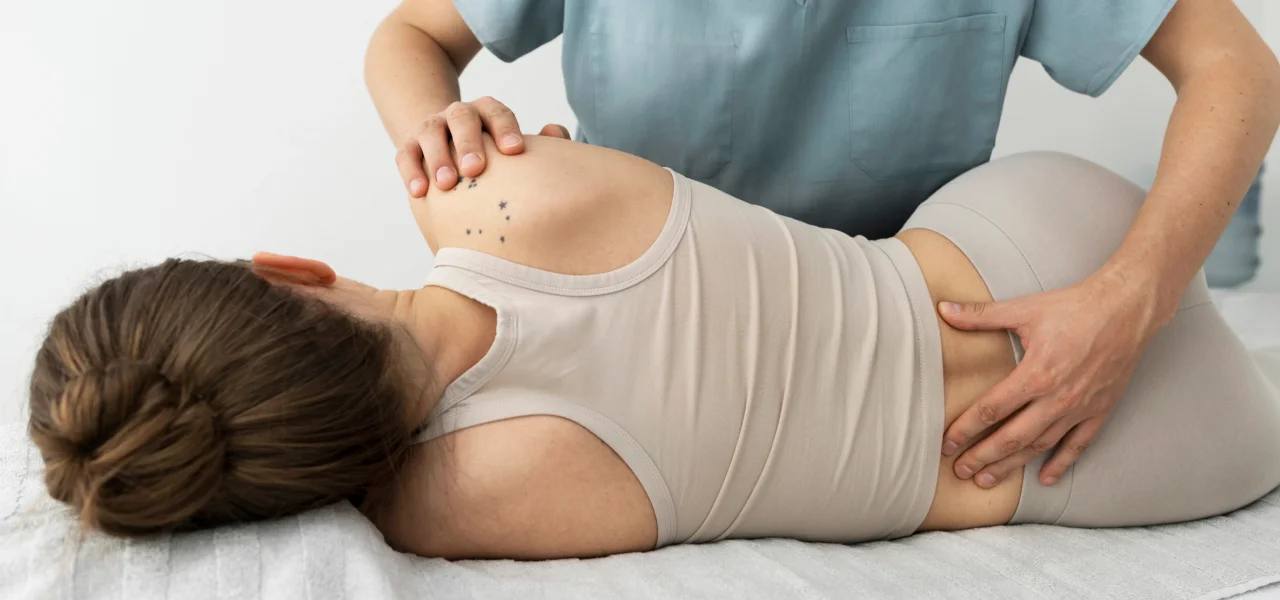
Osteopathy is a holistic healthcare approach that focuses on the musculoskeletal system and its role in overall health and well-being. For those leading active lifestyles, whether through exercise, sports, or everyday physical activities, flexibility and strength are essential for optimal performance, injury prevention, and overall health. Osteopathy plays a crucial role in supporting and enhancing both flexibility and strength by addressing imbalances in the body, improving movement patterns, and promoting proper alignment.
Heres how osteopathy supports flexibility and strength for individuals with active lifestyles:
1. Improving Joint Mobility and Range of Motion
For an active lifestyle, maintaining joint mobility and range of motion is vital for optimal performance in activities such as running, cycling, swimming, or weightlifting. Limited joint mobility can lead to stiffness, discomfort, and an increased risk of injury. Osteopathy helps to improve joint mobility, allowing for a greater range of movement and more efficient physical activity.
Joint mobilization techniques in osteopathy help restore the natural movement of the joints by gently applying controlled movements. This is especially beneficial for areas like the hips, shoulders, knees, and spine, which are often involved in dynamic movements.
Myofascial release and soft tissue manipulation techniques work to release restrictions in the fascia and muscles, which can limit joint movement. By releasing tightness and increasing flexibility in the muscles and fascia, osteopathy helps to enhance joint mobility and reduce stiffness.
Improved joint mobility ensures that individuals can perform physical activities with greater ease and without the restrictions that could lead to discomfort or injury.
2. Addressing Muscle Imbalances
Muscle imbalances, where some muscles become tight and overactive while others are weak or underactive, can limit both strength and flexibility. These imbalances often occur due to repetitive movements, poor posture, or training habits. Osteopathy addresses these imbalances by releasing tight muscles, activating weak ones, and restoring muscle coordination.
Muscle energy techniques used in osteopathy help stretch tight muscles while stimulating the activation of weaker muscles. This balances the muscular system, allowing for more efficient movement and better overall muscle function.
Deep tissue manipulation helps to release tension in overactive muscles, allowing for greater flexibility and preventing the buildup of tightness that could inhibit strength.
By balancing muscle function, osteopathy ensures that the body moves more efficiently and with less strain, leading to increased strength and flexibility in physical activities.
3. Enhancing Postural Alignment
Good posture is essential for maintaining balance, flexibility, and strength during any physical activity. Poor posture, especially when compounded by muscle imbalances, can put unnecessary strain on muscles and joints, leading to pain, limited movement, and decreased performance. Osteopathy plays a significant role in correcting postural misalignments.
Spinal manipulation and pelvic realignment help restore the natural curvature of the spine and ensure that the pelvis is in proper alignment. This reduces strain on muscles, ligaments, and joints, allowing for more efficient movement and enhanced strength.
Postural education is an important component of osteopathy. Osteopaths teach individuals how to maintain a neutral spine, proper alignment, and engage muscles correctly during various activities, whether its lifting, running, or cycling.
By improving postural alignment, osteopathy helps optimize muscle function and joint mobility, which enhances both flexibility and strength for an active lifestyle.
4. Improving Circulation and Tissue Health
In an active lifestyle, muscles and tissues undergo constant wear and tear, which can lead to stiffness, soreness, and potential injury. Good circulation is crucial for muscle recovery, flexibility, and maintaining strength. Osteopathy improves circulation by working on the musculoskeletal system and encouraging blood flow to the tissues.
Soft tissue manipulation and lymphatic drainage techniques used in osteopathy improve blood flow and help remove waste products from muscles and tissues. This supports faster recovery and helps reduce inflammation and muscle soreness, which is particularly beneficial after physical activity.
Improved circulation also ensures that muscles receive the oxygen and nutrients they need for optimal performance and healing, reducing the risk of injury and promoting better flexibility and strength over time.
By enhancing circulation and tissue health, osteopathy helps maintain muscle flexibility and strength, allowing for quicker recovery and better performance during physical activities.
5. Supporting Recovery from Injury
For individuals who lead an active lifestyle, injurieswhether acute or chronicare common, and they can limit flexibility and strength. Osteopathy is particularly effective in treating and supporting recovery from injuries by focusing on the underlying musculoskeletal imbalances and restoring proper function.
Manual therapy techniques, such as joint mobilization and myofascial release, help to restore movement in injured areas, reduce pain, and prevent stiffness. This promotes faster healing and helps individuals regain their flexibility and strength after an injury.
Osteopaths often incorporate rehabilitation exercises to restore muscle strength and mobility. These exercises are tailored to the individual and are designed to strengthen weakened muscles and improve joint function, ensuring a full recovery.
By supporting injury recovery, osteopathy helps individuals regain flexibility and strength after an injury, ensuring that they can return to their activities safely and effectively.
6. Preventing Future Injuries
Osteopathy doesnt just treat current injuries; it also plays a critical role in injury prevention. Through regular osteopathic treatments, individuals can maintain healthy posture, muscle balance, and joint mobility, which reduces the risk of injury during physical activities.
Movement education is a key part of osteopathy. Osteopaths teach individuals how to perform exercises and physical activities with proper form, which prevents strain on muscles and joints. This helps reduce the risk of repetitive strain injuries and improves overall movement efficiency.
Postural correction and muscle balancing through osteopathic techniques ensure that the body functions optimally during physical activities. This helps prevent injuries by ensuring that the muscles and joints are aligned and balanced, reducing the risk of overuse injuries or muscle strains.
By preventing future injuries, osteopathy helps individuals maintain flexibility and strength, allowing them to engage in their active lifestyle without interruption.
7. Supporting Long-Term Flexibility and Strength Maintenance
Osteopathy isnt just about short-term relief or recovery; it also promotes long-term health and wellness. Regular osteopathic treatments help individuals maintain flexibility and strength throughout their active lifestyle, ensuring that they can continue to perform at their best.
Ongoing osteopathic care helps maintain proper alignment, prevent muscle imbalances, and ensure that the body continues to move efficiently. This reduces the likelihood of injury and supports overall musculoskeletal health.
Osteopaths may provide personalized exercises and stretching routines to help individuals maintain flexibility and strength, even as they age or increase the intensity of their physical activities.
By supporting long-term flexibility and strength, osteopathy ensures that individuals remain active, healthy, and resilient over time.
Conclusion: Osteopathy for Flexibility and Strength in Active Lifestyles
Osteopathy plays a crucial role in maintaining and improving both flexibility and strength for those leading an active lifestyle. Through a combination of manual therapy, postural correction, muscle balancing, and circulatory enhancement, osteopathy helps individuals maintain optimal body function, prevent injuries, and improve overall performance. Whether youre recovering from an injury, seeking to improve flexibility, or wanting to prevent future discomfort, osteopathy offers a holistic approach that supports musculoskeletal health and enhances flexibility and strength for active individuals.
With regular osteopathic treatments, you can ensure that your body stays balanced, strong, and flexible, allowing you to enjoy physical activities to the fullest and maintain a healthy, active lifestyle.