How Osteopathy Supports Healing from Injuries and Reduces Pain explores targeted strategies for recovery. Discover new paths to mobility, healing, and personalized care.

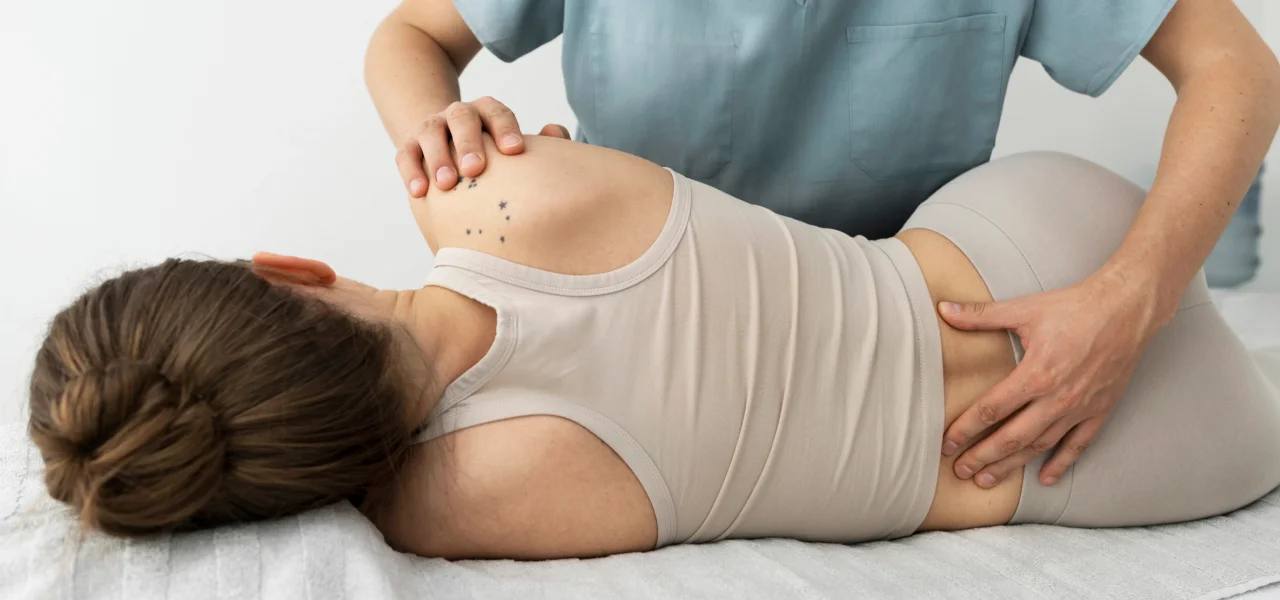
Osteopathy is a holistic treatment approach that emphasizes the interrelationship between the body’s structure and its function. Osteopathic practitioners use a variety of hands-on techniques to address musculoskeletal pain, injury recovery, and overall health. The primary focus of osteopathy in injury healing is to restore balance to the body, enhance movement, and reduce pain. By targeting the root causes of pain and dysfunctionwhether through musculoskeletal misalignments, poor circulation, or muscle imbalancesosteopathy supports both the healing process and the prevention of future injuries.
Heres how osteopathy supports healing from injuries and reduces pain:
1. Promoting Circulation for Healing
One of the most important factors in injury recovery is adequate circulation. Proper blood flow ensures that the injured tissues receive oxygen, nutrients, and other essential elements needed for healing. When circulation is impaired due to injury or muscle tension, it can delay recovery and increase pain.
Manual techniques such as myofascial release and lymphatic drainage help enhance circulation in the injured area. These techniques stimulate blood flow, which brings oxygen and nutrients to the tissues and helps remove metabolic waste products, accelerating the healing process.
Joint mobilization and spinal manipulation used in osteopathy also promote circulation by improving the movement of blood and lymph through the body, ensuring that injured tissues receive the support they need to recover.
By improving circulation, osteopathy helps speed up tissue repair, reduce swelling, and reduce pain associated with poor circulation.
2. Restoring Joint Mobility and Flexibility
Injuries, especially those involving the joints, muscles, or ligaments, can result in restricted mobility and joint stiffness. These restrictions can lead to further discomfort and impede the healing process. Osteopathy works to restore joint mobility and flexibility, which is crucial for recovery and pain reduction.
Joint mobilization techniques help restore the natural movement of injured joints, allowing for better function and reducing the pain caused by stiffness or immobility.
Myofascial release and stretching techniques help release tight muscles and fascia around the joints, improving flexibility and range of motion. As the muscles and joints become more flexible, the body moves more freely, reducing discomfort.
By restoring mobility and improving flexibility, osteopathy reduces joint stiffness and pain while supporting the body’s natural healing processes.
3. Addressing Muscle Imbalances and Tension
Muscle imbalances are common after an injury, where some muscles become tight or overactive while others become weak or underactive. This imbalance can lead to compensatory movements that cause pain and strain on the body. Osteopathy works to balance muscle function, which not only helps reduce pain but also supports the healing of the injured area.
Muscle energy techniques in osteopathy involve gentle muscle contractions to release tight muscles and activate weak ones. This helps restore balance between opposing muscle groups, which reduces the strain on muscles, ligaments, and joints.
Deep tissue manipulation targets areas of chronic muscle tension, releasing tightness and improving muscle elasticity. This helps reduce muscle stiffness and the pain caused by overworked or underused muscles.
By balancing muscle function and releasing tension, osteopathy reduces strain on the body and promotes healing after an injury.
4. Correcting Misalignments and Restoring Proper Posture
Misalignments in the spine, pelvis, and joints can occur after an injury, which can lead to poor posture and increased strain on muscles and joints. These misalignments can perpetuate pain and hinder the healing process. Osteopathy helps restore proper alignment and postural balance, reducing discomfort and supporting injury recovery.
Spinal manipulation is a key technique in osteopathy. It focuses on realigning the vertebrae of the spine to restore its natural curves and improve nerve function. By improving spinal alignment, osteopathy reduces tension on muscles and joints and alleviates pain caused by misalignment.
Postural correction is also an essential part of osteopathy. Osteopaths help individuals develop better posture habits, which reduce the risk of future injury and prevent strain on the body caused by poor alignment.
By restoring alignment and improving posture, osteopathy reduces the strain on the body and supports optimal healing.
5. Reducing Inflammation and Swelling
Inflammation and swelling are common responses to injury, but excessive inflammation can delay healing and increase pain. Osteopathy helps to manage and reduce inflammation by promoting circulation and facilitating the bodys natural healing processes.
Lymphatic drainage techniques in osteopathy help remove excess fluid from the injured area, reducing swelling and promoting faster healing.
Manual therapy, such as myofascial release, improves blood flow and reduces the buildup of waste products, which helps reduce the inflammation that contributes to pain.
By reducing inflammation and swelling, osteopathy accelerates the healing process and provides pain relief.
6. Supporting the Nervous System and Pain Control
Chronic pain is often linked to the nervous system’s response to injury. Osteopathy helps modulate the bodys pain response by restoring balance to the musculoskeletal system, improving circulation, and reducing stress.
Cranial-sacral therapy is a gentle technique used in osteopathy that works to release tension in the head, neck, and spine. This helps calm the nervous system, reduce pain signals, and alleviate discomfort.
Spinal adjustments and other manual techniques used in osteopathy help improve nerve function, ensuring that the nervous system communicates effectively with the muscles, joints, and tissues. This reduces pain and enhances the bodys natural healing response.
By modulating the nervous system and improving nerve function, osteopathy helps manage and control pain during the healing process.
7. Promoting Long-Term Injury Prevention
While osteopathy is highly effective for healing injuries, it also plays a key role in preventing future injuries. By improving alignment, balancing muscle function, and restoring movement patterns, osteopathy helps individuals move more efficiently and reduce the risk of re-injury.
Movement education is an essential part of osteopathy. Osteopaths teach individuals how to move safely and use their bodies in a way that prevents strain and injury, especially when returning to physical activities.
Postural training helps individuals maintain good posture during daily activities, reducing the risk of tension and injury that could result from poor body mechanics.
By focusing on prevention, osteopathy supports long-term musculoskeletal health and ensures that individuals remain injury-free and move with ease.
8. Enhancing Overall Function and Quality of Life
Chronic pain and injuries can limit daily activities and decrease quality of life. Osteopathy helps to improve overall function and movement efficiency, enabling individuals to return to their normal activities with less pain and greater mobility.
Functional movement training helps individuals develop better movement patterns that support the healing process and reduce the risk of strain.
Ongoing care through osteopathy ensures that the body stays balanced, strong, and flexible, reducing the likelihood of pain and discomfort returning in the future.
By improving function and promoting healing, osteopathy enhances overall quality of life, allowing individuals to enjoy greater freedom of movement and pain relief.
Conclusion: Osteopathy for Healing from Injuries and Pain Reduction
Osteopathy provides a comprehensive and effective approach to healing from injuries and reducing pain. Through techniques like spinal manipulation, joint mobilization, myofascial release, and postural correction, osteopathy restores alignment, promotes circulation, reduces inflammation, and supports the bodys natural healing processes. Whether you are recovering from a recent injury or dealing with chronic pain, osteopathy offers a holistic and non-invasive solution for pain relief and injury recovery.
By improving joint mobility, muscle function, circulation, and postural health, osteopathy helps reduce pain, enhance healing, and prevent future injuries, allowing individuals to return to their daily activities with greater ease and comfort. Osteopathy not only addresses existing pain but also promotes long-term wellness and resilience, ensuring that the body remains healthy, mobile, and free from pain for years to come.