How Osteopathy Supports Long-Term Health by Preventing Postural Issues explores targeted strategies for recovery. Discover new paths to mobility, healing, and personalized care.

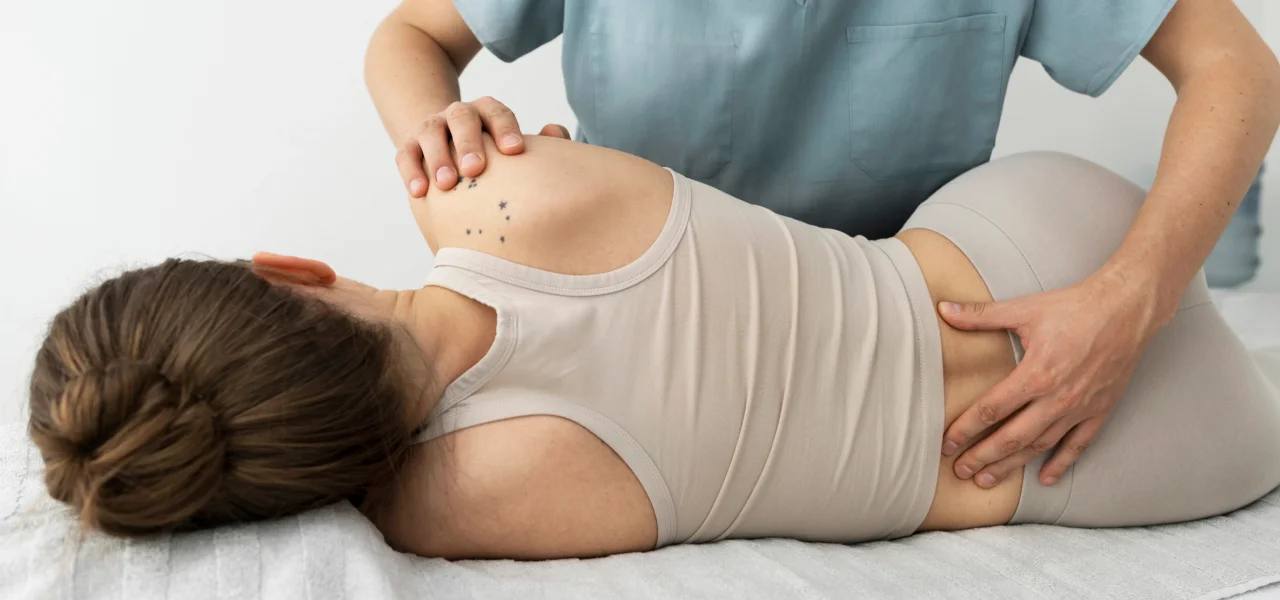
Postural issues are often at the root of many musculoskeletal problems, leading to pain, discomfort, and decreased mobility. Whether caused by poor ergonomics, prolonged sitting, muscle imbalances, or injury, postural problems can have a significant long-term impact on health. Osteopathy is a holistic approach to healthcare that focuses on optimizing the bodys structure and function to prevent and treat such issues. By addressing misalignments, improving movement patterns, and restoring balance to the musculoskeletal system, osteopathy supports long-term health by preventing postural problems before they result in chronic pain or injury.
Heres how osteopathy helps prevent postural issues and promotes long-term health:
1. Realigning the Spine and Joints
The spine serves as the central support structure for the body, and poor posture can lead to misalignments in the spine and joints, creating imbalances throughout the body. Misalignments in the spine, pelvis, and shoulders can lead to muscle strain, discomfort, and overuse injuries, especially over time.
Osteopaths use techniques like spinal manipulation and joint mobilization to realign the spine and joints, promoting better posture and reducing the strain on surrounding muscles and ligaments. By restoring the natural curves of the spine and aligning the pelvis and joints, osteopathy improves overall body mechanics, making it easier to maintain proper posture and reducing the risk of postural-related pain and dysfunction.
2. Correcting Muscle Imbalances
Muscle imbalances often result from poor posture and repetitive movements. When some muscles are overactive and others are underactive, the body is unable to maintain proper alignment, leading to pain, tension, and further postural deterioration. For example, tight hip flexors or weak glutes can cause the pelvis to tilt forward, leading to lower back pain.
Osteopathy addresses muscle imbalances through techniques like myofascial release, muscle energy techniques, and soft tissue therapy. By releasing tight muscles and strengthening weak ones, osteopaths restore the balance in the musculoskeletal system. This ensures that muscles are working together efficiently, helping the body maintain proper posture and alignment. Correcting these imbalances not only prevents postural issues but also improves movement patterns and overall function.
3. Improving Postural Awareness
Many individuals with postural problems are unaware of the habits that contribute to their discomfort. Slouching while sitting, leaning forward while standing, or standing with weight unevenly distributed can all lead to chronic postural issues. Osteopathy helps increase postural awareness by assessing the bodys alignment and identifying areas that require attention.
Osteopaths provide guidance on how to maintain proper posture throughout daily activities. Through gentle manual therapy, individuals learn how to adjust their posture to reduce strain on muscles and joints. By becoming more aware of how the body is positioned, individuals can make small changes that prevent long-term postural issues from developing.
4. Enhancing Flexibility and Mobility
Reduced flexibility and joint mobility are common contributors to poor posture and musculoskeletal pain. Tight muscles, especially in the hips, hamstrings, and back, can restrict movement and contribute to poor posture. Osteopathy works to improve flexibility and mobility through joint mobilization, muscle stretching, and myofascial release techniques.
Increasing flexibility in the muscles and improving the range of motion in the joints make it easier for the body to maintain proper alignment. This not only helps prevent postural issues but also enhances overall movement efficiency, reducing the risk of injury and promoting better functional health in the long term.
5. Restoring Natural Alignment with Pelvic and Spinal Manipulation
The pelvis and spine are key areas in maintaining a balanced posture. Misalignment in these areas can lead to imbalances in the upper and lower body, contributing to pain and discomfort. Osteopaths focus on realigning the pelvis and spine to ensure the body functions symmetrically.
Pelvic realignment can correct misalignments that often lead to lower back and hip pain, while spinal manipulation restores the natural curves of the spine, reducing stress on muscles and ligaments. These adjustments help balance the body, preventing further strain and supporting proper posture for long-term health.
6. Educating on Ergonomics and Body Mechanics
Poor ergonomics in daily activities, such as sitting at a desk for long periods, using improper lifting techniques, or standing with poor posture, can contribute to postural problems and pain. Osteopaths not only treat the symptoms but also offer ergonomic advice to help individuals prevent postural strain.
Osteopaths assess the way people move and work, offering suggestions on ergonomic setups, such as adjusting the height of chairs or desks, and proper body mechanics, such as maintaining a neutral spine when lifting or sitting. By making small adjustments in daily habits, individuals can reduce the strain on their muscles and joints, improving posture and preventing future pain.
7. Promoting Whole-Body Balance
Postural issues are often the result of imbalances in one part of the body that affect the entire musculoskeletal system. For example, a misalignment in the pelvis can affect the lower back, which in turn can lead to tension in the neck and shoulders. Osteopathy takes a whole-body approach to treatment, assessing how different parts of the body work together.
Through manual therapy, postural correction, and movement retraining, osteopaths help to restore balance throughout the body. By improving the overall function of the musculoskeletal system, osteopathy prevents postural issues from developing in the first place and helps maintain long-term physical health.
8. Preventing Future Injuries
Postural issues often lead to chronic pain and increased susceptibility to injury. For example, poor posture can put undue strain on muscles, ligaments, and joints, leading to conditions such as repetitive strain injuries, disc herniation, or muscle sprains. Osteopathy helps prevent future injuries by addressing the underlying causes of poor posture, such as muscle imbalances, spinal misalignments, and inefficient movement patterns.
By realigning the body and improving movement mechanics, osteopathy reduces the risk of future postural problems and injuries. Additionally, strengthening muscles and improving flexibility help support the joints, preventing wear and tear that could result in injury.
9. Supporting Recovery from Existing Postural Problems
For individuals already experiencing postural issues, osteopathy plays a crucial role in recovery. Whether it’s chronic back pain, neck tension, or hip discomfort, osteopathy addresses the root causes of postural problems and helps the body heal naturally.
Osteopathic treatments, such as muscle release techniques, joint mobilization, and soft tissue therapy, help release tension, alleviate pain, and restore proper movement patterns. As the body regains its balance and flexibility, recovery from postural issues becomes more efficient and long-lasting.
Conclusion: Osteopathy for Preventing Postural Issues and Supporting Long-Term Health
Osteopathy plays a vital role in preventing postural issues and supporting long-term musculoskeletal health. By focusing on improving alignment, releasing fascial restrictions, strengthening muscles, and increasing flexibility, osteopathy promotes better posture and reduces the risk of pain and injury. Through manual therapy and postural education, osteopathy ensures that the body moves more efficiently and remains in balance, contributing to better overall health and well-being.