How Osteopathy Supports Your Musculoskeletal System and Reduces Pain explores targeted strategies for recovery. Discover new paths to mobility, healing, and personalized care.

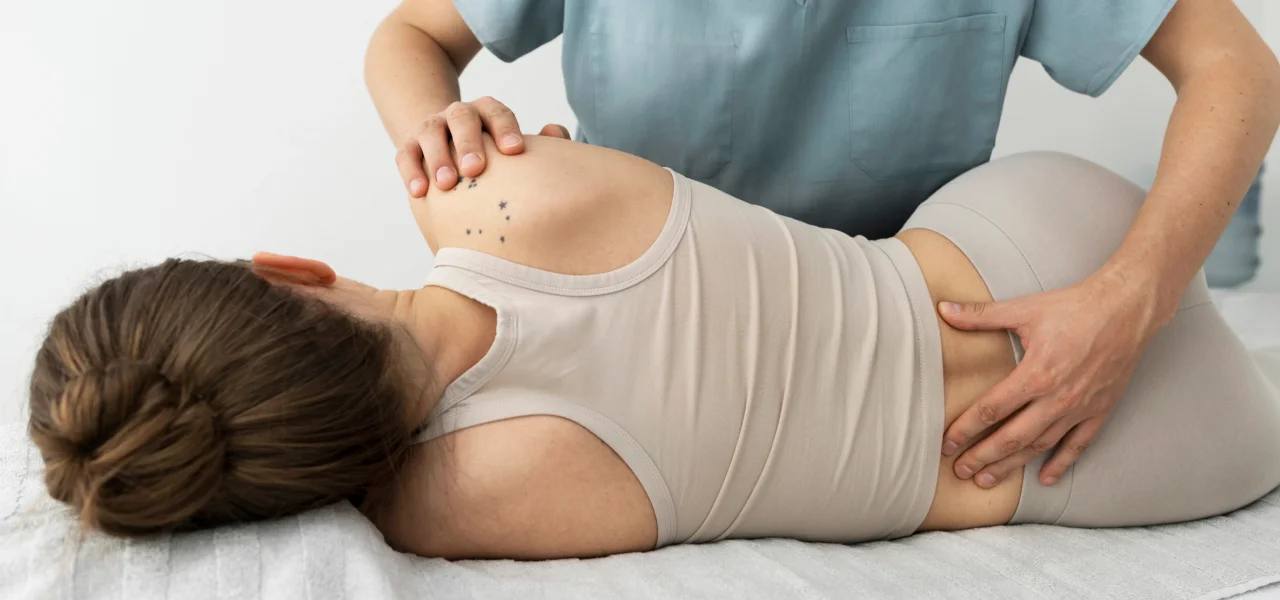
If youve ever dealt with joint stiffness, back pain, muscle tension, or limited mobility, you know how frustrating it can be. Our musculoskeletal systemmade up of bones, muscles, ligaments, joints, and connective tissueis what keeps us upright, active, and moving through life. When somethings off, it can throw everything out of balance.
Thats where osteopathy comes in. This gentle, hands-on therapy is all about restoring harmony in your body and helping you move with ease againwithout the need for medication or surgery.
Understanding the Musculoskeletal System
Your musculoskeletal system is like your body’s foundation. It supports your weight, keeps you stable, and allows you to move freely. But its also interconnected with your nervous system, circulation, and even your internal organs.
So when something gets out of alignmentsay, due to injury, poor posture, repetitive stress, or muscle imbalanceyou dont just feel it in one spot. Pain, stiffness, and fatigue can ripple through your body. Thats why a whole-body approach like osteopathy can make a big difference.
What Does Osteopathy Actually Do?
Osteopathy focuses on how the structure of your body affects the way it functions. Rather than just treating symptoms, osteopaths look for the root causes of pain and dysfunctionand then use hands-on techniques to gently correct them.
Its about working with your body to encourage self-healing, restore alignment, and relieve pain naturally.
How Osteopathy Helps Your Musculoskeletal System
Heres how osteopathic treatment supports musculoskeletal health and reduces pain:
?? Releases Muscle Tension
Tight or overworked muscles can cause pain, limit movement, and put stress on your joints. Osteopaths use soft tissue massage and stretching to help muscles relax, lengthen, and move more freely.
?? Restores Joint Mobility
Whether its a stiff shoulder, aching hip, or locked-up lower back, osteopathy helps free up restricted joints, improving range of motion and reducing discomfort.
?? Improves Postural Balance
Poor posture (hello, desk jobs!) can create long-term stress on your body. Osteopaths assess your posture and alignment, then gently guide your body back into a more natural, efficient state.
?? Enhances Circulation
By improving movement and releasing restrictions, osteopathy boosts blood flow and lymphatic drainage, helping reduce inflammation and support healing in sore tissues.
?? Eases Nerve Compression
Nerves can become irritated or compressed by tight muscles or misaligned joints. Osteopathy can relieve pressure on these nerves, easing pain, tingling, or weaknessespecially in conditions like sciatica or neck-related headaches.
Common Conditions Osteopathy Can Help With
Osteopathy is highly effective for a wide range of musculoskeletal issues, including:
Lower back pain and stiffness
Neck and shoulder tension
Sciatica and nerve pain
Arthritis-related discomfort
Sports injuries and sprains
Repetitive strain injuries (like carpal tunnel or tennis elbow)
Headaches caused by muscular tension or poor posture
Whether your pain is new or chronic, sharp or dull, localized or widespread, osteopathy provides a personalized, non-invasive path to relief.
What to Expect During Treatment
Osteopathic treatment is gentle, safe, and always tailored to your needs. After a thorough assessment, your osteopath may use a mix of:
Soft tissue massage
Joint mobilization or manipulation
Gentle stretching
Postural advice and movement guidance
Most people find osteopathic sessions deeply relaxingand often notice improvement after just a few visits.
Final Thoughts
Your musculoskeletal system works hard every day. When its supported, aligned, and pain-free, everything in life gets easierwalking, working, exercising, even sleeping. Osteopathy offers a natural, whole-body approach to reducing pain and restoring proper function, so you can get back to living the life you love.