Maintaining optimal pelvic floor health is often underestimated yet is foundational for overall well-being, significantly influencing core stability and posture. The pelvic floor muscles provide crucial support to the internal organs, but their function extends far beyond simple organ supportthey form a core part of our posture and movement mechanics.

Maintaining optimal pelvic floor health is often underestimated yet is foundational for overall well-being, significantly influencing core stability and posture. The pelvic floor muscles provide crucial support to the internal organs, but their function extends far beyond simple organ supportthey form a core part of our posture and movement mechanics. Physiotherapy, through targeted pelvic floor exercises and professional guidance, can enhance these critical aspects of physical health, improving not only comfort but also mobility, athletic performance, and overall quality of life.
Understanding the Pelvic Floor and Its Connection to Core Stability
Your pelvic floor comprises muscles, ligaments, and connective tissues situated at the base of the pelvis, creating a supportive structure that holds organs such as the bladder, uterus, and rectum. However, their function is closely interlinked with muscles of the lower back, abdomen, diaphragm, and hips. This interconnectivity is fundamental for core stabilization, enabling effective posture control, balance, and functional movement.
Weakness or dysfunction within the pelvic floor can compromise the body’s core stability, leading to poor posture, increased risk of injury, and persistent discomfort. Thus, achieving pelvic floor health is vital for enhancing core strength and maintaining proper alignment.
How Pelvic Floor Dysfunction Impacts Core Stability
When pelvic floor muscles are weakened or imbalanced, the entire core suffers. Core stability requires synchronous coordination between pelvic floor muscles, abdominal muscles, spinal muscles, and the diaphragm. Any disruption in pelvic floor function can trigger a cascade of imbalance throughout this system. Here’s how pelvic floor dysfunction can manifest:
Weak Core Muscles: A compromised pelvic floor results in weaker abdominal muscles and inadequate core engagement, leading to reduced stability during movements and daily tasks.
Increased Lower Back Pain: Weak or uncoordinated pelvic muscles strain other stabilizing muscles, particularly in the lower back, increasing susceptibility to chronic pain.
Poor Posture: When pelvic floor muscles fail to adequately support internal structures, posture deteriorates, contributing to common problems such as slouching, rounded shoulders, forward head posture, and pelvic tilting.
Reduced Balance and Coordination: Stability provided by the core and pelvic muscles is crucial for balance. Dysfunction can negatively impact your ability to perform even simple physical tasks safely and efficiently.
Physiotherapy’s Role in Enhancing Core Stability Through Pelvic Health
Physiotherapy specializes in addressing pelvic floor dysfunction through customized exercise programs and therapeutic techniques designed to restore strength, flexibility, and coordination in pelvic floor and core muscles. Physiotherapists employ an integrated approach, recognizing that optimal core stability involves more than isolated muscle strengthit requires harmonious muscle activation.
Heres how physiotherapy specifically improves pelvic health, enhancing core stability and posture:
1. Comprehensive Pelvic Floor Assessment
A physiotherapist evaluates the strength, tone, flexibility, and overall functionality of your pelvic muscles. A detailed assessment helps pinpoint specific weaknesses or imbalances, informing personalized therapeutic approaches to enhance overall core stability and correct posture issues.
2. Targeted Pelvic Floor Exercises
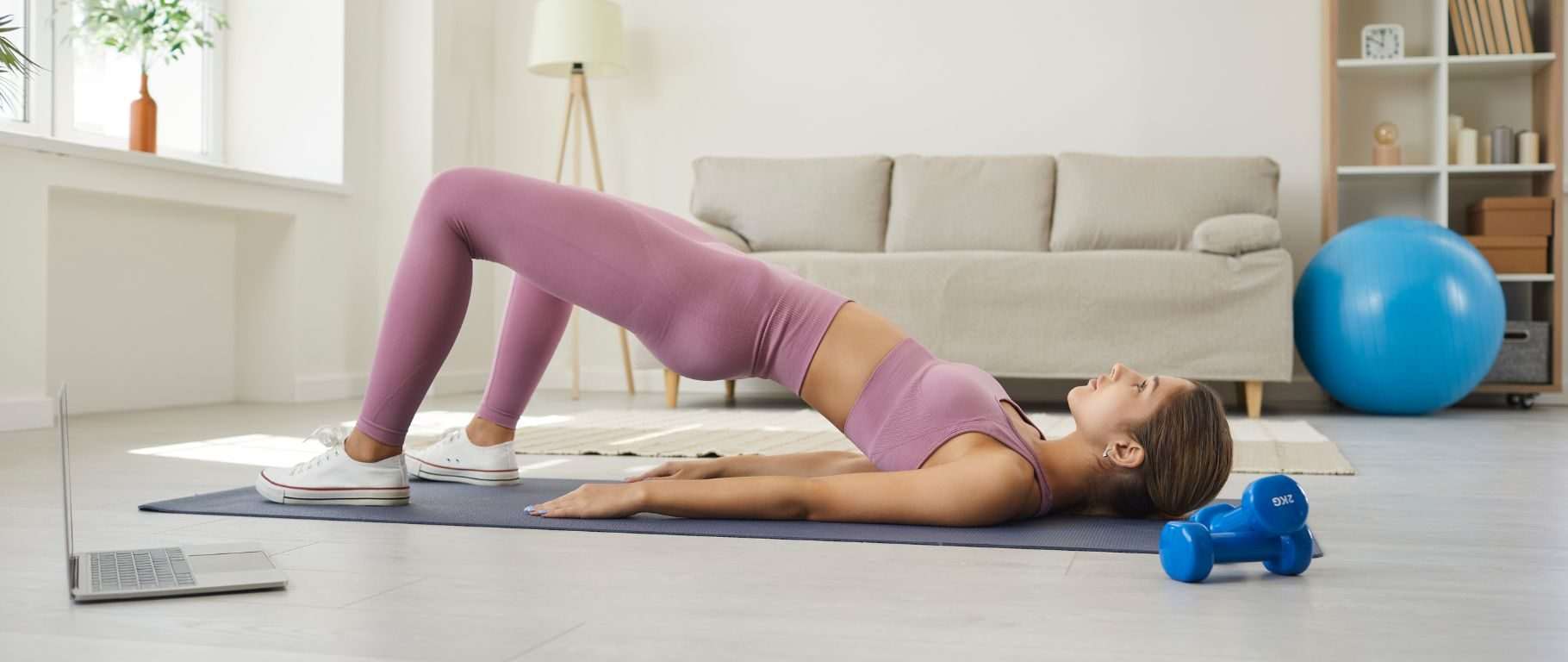
Specialized pelvic floor exercisessuch as Kegel exercises, pelvic tilts, and bridge movementsstrengthen weakened muscles and improve coordination between pelvic floor and core muscle groups. Physiotherapists guide proper technique, ensuring exercises effectively restore pelvic strength, improve muscle activation patterns, and reinforce stability during various movements.
3. Core Muscle Integration
Physiotherapists design exercises that integrate pelvic floor activation with abdominal and back muscles, facilitating better overall core stability. Functional exercises, such as planks and Pilates-based movements, emphasize simultaneous engagement of pelvic, abdominal, and spinal muscles to enhance posture and stability.
4. Postural Reeducation
A key element in pelvic physiotherapy is postural correction. Physiotherapists analyze your posture to identify alignment issues related to pelvic dysfunction and provide corrective exercises. This can involve retraining sitting and standing posture, teaching proper lifting mechanics, and improving awareness of pelvic alignment throughout daily activities.
5. Breathing Techniques and Diaphragmatic Coordination
Proper breathing patterns significantly impact pelvic and core stability. Physiotherapists incorporate diaphragmatic breathing exercises to enhance intra-abdominal pressure management, supporting pelvic muscle activation and reducing strain on the pelvic floor.
Benefits of Improved Pelvic Floor and Core Stability
Focusing on pelvic floor health through physiotherapy delivers substantial benefits beyond improved muscle strength. These include:
Enhanced posture, resulting in decreased musculoskeletal pain and reduced risk of injuries.
Greater stability and balance, increasing performance and safety during physical activities and sports.
Reduced incidence of chronic lower back pain due to strengthened support from the pelvic floor.
Improved overall body mechanics, promoting more efficient and less strenuous movements during daily tasks.
Preventing Pelvic Floor and Core Dysfunction
Proactive pelvic floor physiotherapy can also prevent pelvic and core dysfunction, particularly for individuals experiencing significant life events such as pregnancy, childbirth, aging, or recovering from surgery. Regular exercises and routine physiotherapy check-ins reinforce strength, flexibility, and coordination, keeping your body resilient and functional.
Conclusion
The pelvic floor is far more influential than commonly realized, directly shaping core stability and posture. By prioritizing pelvic health through specialized physiotherapy, individuals can significantly enhance core strength, improve posture, and prevent potential dysfunction. The investment in pelvic floor health not only resolves immediate issues but fosters lasting stability, confidence, and vitality. Embracing physiotherapy as a preventive and rehabilitative practice ensures optimal core functionality, promoting a healthier, more balanced life.