Pelvic floor physiotherapy offers more than just physical rehabilitationit can significantly improve a womans quality of life by restoring control, reducing discomfort, and supporting overall well-being. At YourFormSux (YFS), we understand that issues related to pelvic health often go unspoken, yet they impact daily function, emotional confidence, and even social participation.

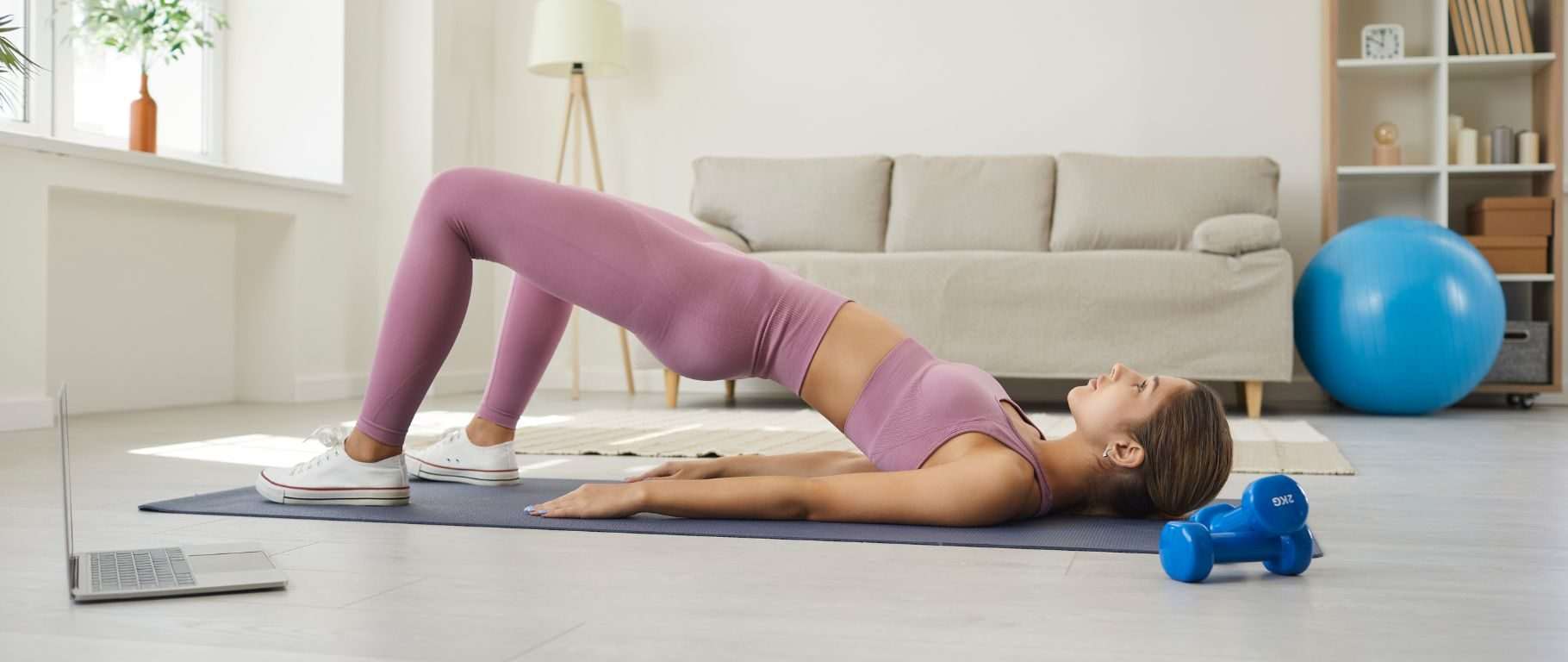
Pelvic floor physiotherapy offers more than just physical rehabilitationit can significantly improve a womans quality of life by restoring control, reducing discomfort, and supporting overall well-being. At YourFormSux (YFS), we understand that issues related to pelvic health often go unspoken, yet they impact daily function, emotional confidence, and even social participation. By addressing pelvic floor dysfunctions through expert-guided therapy, women can experience a transformative shift in how they live, move, and feel.
What Is Pelvic Floor Physiotherapy?
Pelvic floor physiotherapy is a specialized form of therapy focused on the muscles, ligaments, and tissues of the pelvic floor. These muscles are responsible for supporting internal organs such as the bladder, uterus, and rectum, and they play a key role in urination, bowel movements, sexual function, and core stability.
When the pelvic floor becomes weak, tight, or poorly coordinateddue to childbirth, surgery, aging, or traumawomen may face issues like incontinence, pelvic pain, sexual discomfort, or postural imbalance. Pelvic floor physiotherapists assess these dysfunctions and create individualized treatment plans to restore optimal function.
How It Improves Daily Comfort and Function
One of the most immediate benefits of pelvic floor physiotherapy is the reduction of uncomfortable or disruptive symptoms. Many women come to therapy after months or even years of silently dealing with:
Urinary leakage or urgency
Painful intercourse
Constipation or straining
Pelvic pressure or heaviness
Lower back or hip pain tied to pelvic dysfunction
With guided exercises, hands-on techniques, and personalized education, these symptoms can be managed or even resolved. Women often report being able to walk, exercise, laugh, and enjoy daily life without fear or hesitation. This shift in comfort allows for more active participation in work, travel, parenting, and recreation.
Emotional and Mental Health Benefits
The emotional toll of pelvic dysfunction is often underestimated. Struggling with incontinence or pain can lead to embarrassment, anxiety, low self-esteem, and social withdrawal. Women may avoid physical intimacy or public outings out of fear of symptom flare-ups.
Pelvic floor physiotherapy offers a supportive, judgment-free environment where women can openly address these issues. As symptoms improve, women often experience:
Increased self-confidence
Reduced anxiety and worry
Improved body awareness and control
Greater peace of mind about their health
This improvement in mental well-being enhances relationships, reduces stress, and restores a sense of self that many women feel they have lost.
Enhancing Physical Performance and Core Strength
Strong pelvic floor muscles are an essential part of core stability. When functioning properly, they work in harmony with the deep abdominal muscles, diaphragm, and back muscles to support posture, balance, and movement.
Women who engage in pelvic floor physiotherapy often notice:
Better posture and spinal alignment
Improved performance in physical activities
Less strain and fatigue during exercise or lifting
Reduced risk of injury during daily movement
This makes pelvic floor therapy not only important for symptom management but also valuable for physical fitness, especially for women who are active or returning to exercise postpartum or after surgery.
Supporting Sexual Health and Intimacy
Sexual health is a critical but often neglected aspect of pelvic wellness. Tension, pain, or weakness in the pelvic floor can interfere with arousal, sensation, and comfort during intercourse. These issues are common during postpartum recovery, menopause, or after pelvic trauma or surgery.
Pelvic floor physiotherapy helps:
Relax overly tense muscles
Strengthen weak areas that affect sexual response
Improve circulation and nerve function in the pelvic region
Address emotional components related to discomfort or fear
Many women find that as their symptoms improve, they regain sexual confidence and intimacy, which positively affects their relationships and emotional connection with partners.
Long-Term Wellness and Prevention
Pelvic health physiotherapy also serves as an essential tool for long-term health maintenance. Just like regular dental checkups or routine fitness, pelvic floor therapy can help prevent future issues from developing.
By incorporating physiotherapy into different life stagessuch as pregnancy, postnatal recovery, menopause, or post-surgerywomen can:
Maintain strong, resilient muscles
Avoid recurring or chronic dysfunction
Stay ahead of age-related weakening
Build awareness of body mechanics and habits
This proactive approach supports not just symptom relief, but sustained health and independence over the years.
Conclusion
Pelvic floor physiotherapy is a powerful, non-invasive way to enhance the quality of life for women at all stages. Whether youre recovering from childbirth, managing discomfort, or simply seeking greater control over your health, therapy can offer meaningful results. At YourFormSux, we provide personalized pelvic health programs that empower women to live fullyfree from fear, pain, or restriction. When pelvic floor health is prioritized, every part of life improves.