How Pelvic Floor Physiotherapy Supports Healing After Childbirth explores targeted strategies for recovery. Discover new paths to mobility, healing, and personalized care.

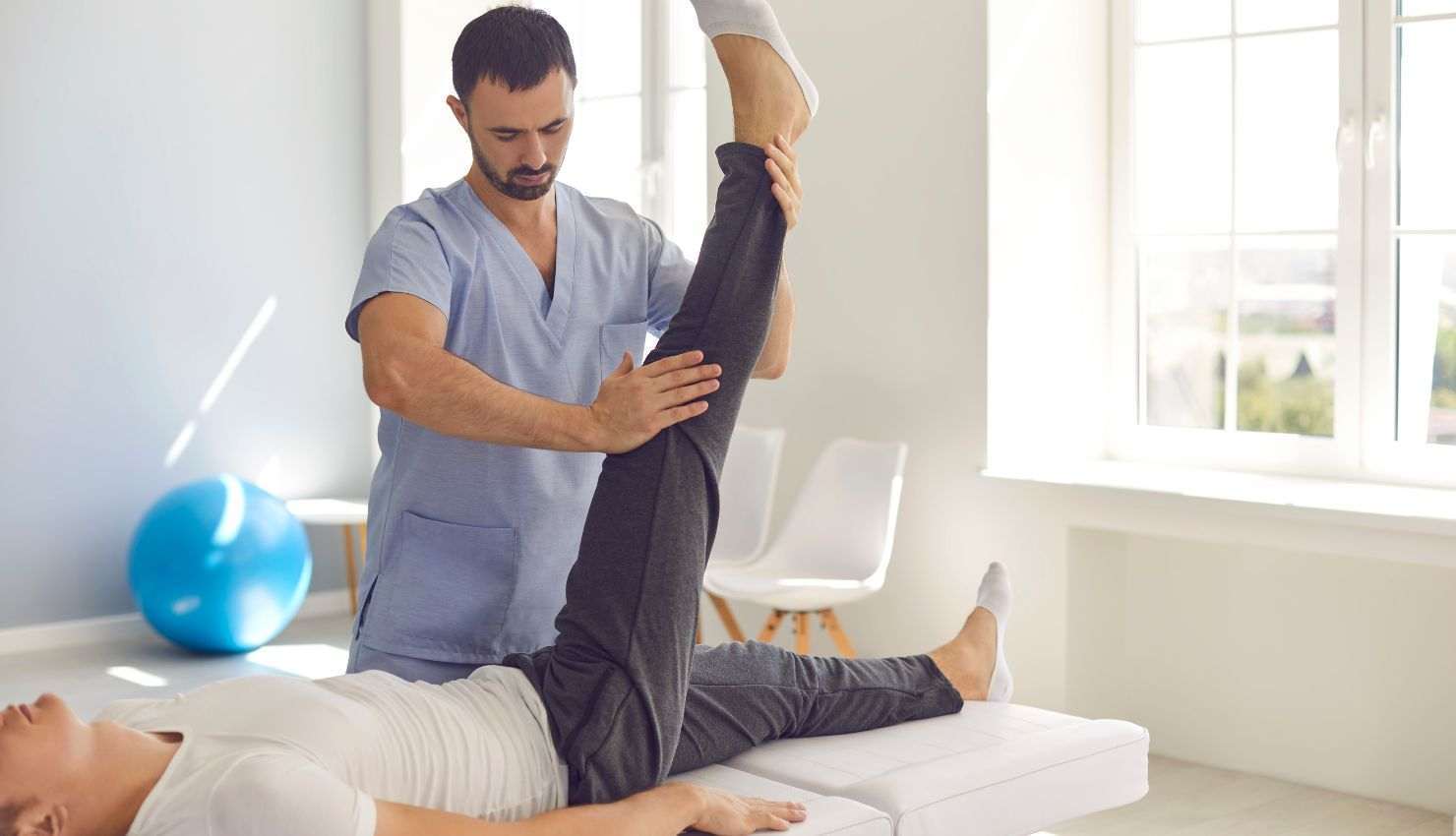
Childbirth is a profound physical event that brings incredible joy but also significant changes to a womans body. The pelvic floor muscles, which support vital organs like the bladder, uterus, and rectum, undergo tremendous stress during pregnancy and delivery. These muscles can become stretched, weakened, or injured, leading to challenges such as incontinence, pelvic pain, and decreased core stability.
Pelvic floor physiotherapy is an essential part of postpartum care that supports healing, restores function, and promotes overall well-being after childbirth. At YourFormSux (YFS), we specialize in helping new mothers recover safely and effectively through personalized pelvic floor physiotherapy programs.
This blog explores how pelvic floor physiotherapy supports healing after childbirth and why it should be an integral part of postpartum recovery.
The Impact of Childbirth on the Pelvic Floor
During pregnancy, the growing babys weight increases pressure on the pelvic floor muscles. Vaginal delivery, in particular, can cause:
Muscle stretching or tearing
Nerve damage or irritation
Tissue bruising or swelling
Scar tissue formation from episiotomy or tears
These changes can affect muscle strength, coordination, and sensation, potentially leading to symptoms such as urinary or fecal incontinence, pelvic pain, prolapse, and difficulty with certain movements.
How Pelvic Floor Physiotherapy Supports Postpartum Healing
Pelvic floor physiotherapy helps address these issues through a comprehensive, evidence-based approach tailored to each individuals needs.
1. Personalized Assessment
A pelvic health physiotherapist evaluates muscle strength, tone, coordination, posture, and functional movement. This assessment often includes internal examination to understand the extent of muscle and tissue changes after childbirth.
2. Muscle Re-education and Strengthening
Targeted exercises focus on activating and strengthening weakened pelvic floor muscles. Gradual muscle retraining helps rebuild support for pelvic organs and improves continence and core stability.
3. Manual Therapy and Scar Tissue Management
Hands-on techniques reduce muscle tension, promote tissue healing, and break down scar adhesions, which can alleviate pain and improve mobility.
4. Posture and Movement Guidance
Physiotherapists provide education on safe lifting, body mechanics, and posture to protect the healing pelvic floor and support overall recovery.
5. Pain Relief and Relaxation Techniques
Therapists use relaxation exercises, breathing techniques, and manual therapy to reduce pelvic pain, muscle spasms, and stress.
Benefits of Pelvic Floor Physiotherapy After Childbirth
Faster and more complete pelvic floor recovery
Reduced urinary and fecal incontinence
Alleviation of pelvic and lower back pain
Improved sexual health and comfort
Enhanced core strength and postural stability
Increased confidence in daily activities and physical exercise
When to Begin Pelvic Floor Physiotherapy Postpartum
While every womans recovery varies, pelvic floor physiotherapy can often begin safely within 6 to 12 weeks postpartum, depending on delivery type and healing progress. Early intervention can prevent long-term dysfunction and support optimal recovery.
Why Choose YourFormSux for Postpartum Pelvic Floor Care?
YourFormSux offers compassionate, expert pelvic floor physiotherapy designed specifically for postpartum women. Our therapists provide individualized care plans that respect your pace and goals, ensuring a supportive and effective healing process.
Final Thoughts
Pelvic floor physiotherapy is a vital tool to support healing after childbirth. By restoring muscle function, reducing pain, and enhancing overall pelvic health, it empowers new mothers to regain control and confidence in their bodies.