Postural stability in women is influenced by many factorscore strength, joint health, muscular coordinationbut one often overlooked element is pelvic floor strength. While commonly associated with bladder control and childbirth recovery, the pelvic floor plays a crucial biomechanical role in maintaining upright posture, balance, and spinal alignment.

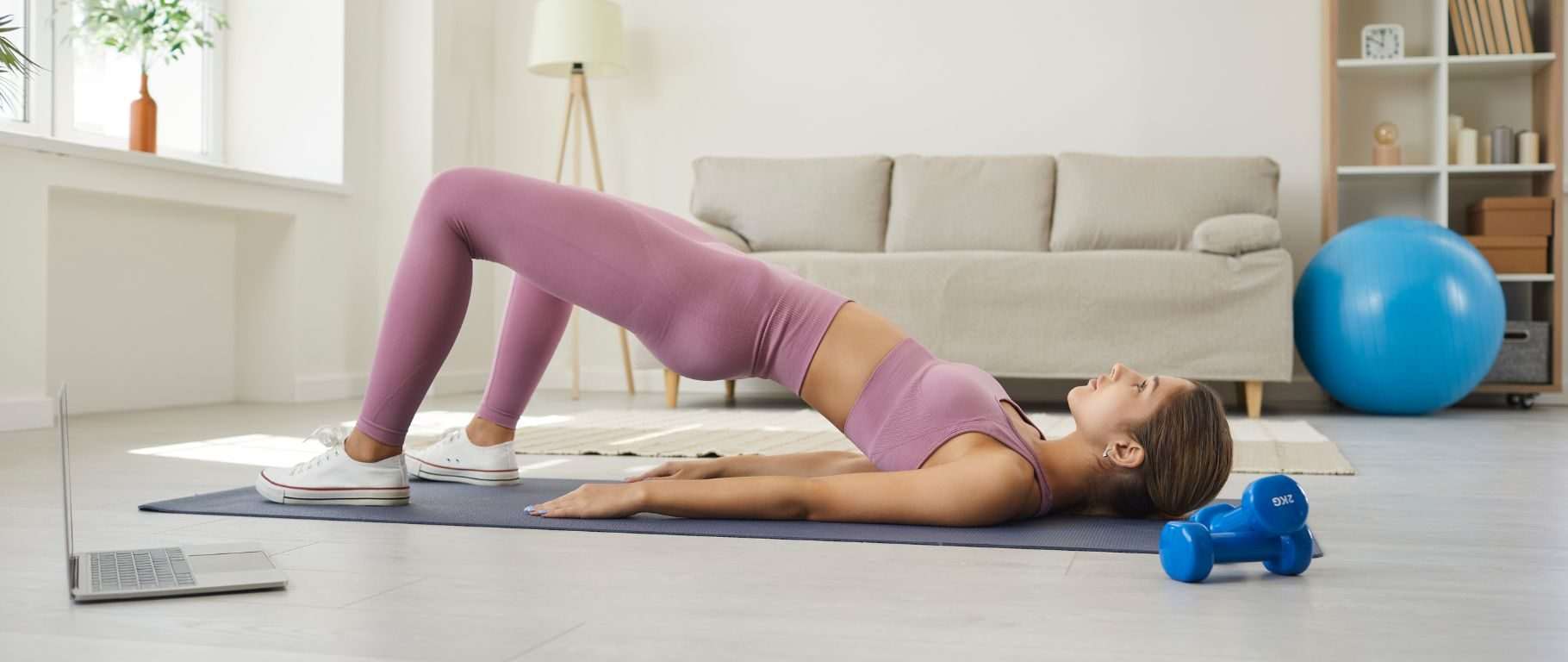
Postural stability in women is influenced by many factorscore strength, joint health, muscular coordinationbut one often overlooked element is pelvic floor strength. While commonly associated with bladder control and childbirth recovery, the pelvic floor plays a crucial biomechanical role in maintaining upright posture, balance, and spinal alignment.
Understanding the Connection Between Pelvic Floor and Posture
The pelvic floor is a group of muscles located at the base of the pelvis. These muscles support internal organs, regulate continence, and form the foundation of the core muscle system. When functioning correctly, the pelvic floor works in harmony with the diaphragm, deep abdominal muscles, and spinal stabilizers to support good posture and dynamic balance.
When the pelvic floor is weak or dysfunctional, it can disrupt this coordination, leading to compensatory habits that affect spinal alignment. Women may unconsciously tilt their pelvis forward or backward, overuse their lower back muscles, or lose stability during walking and standingall contributing to chronic poor posture and musculoskeletal strain.
Why Pelvic Floor Strength Matters for Postural Stability
Strong pelvic floor muscles provide foundational support that stabilizes the pelvis and spine during daily activities. Here’s how they influence postural stability:
Pelvic Alignment: A well-functioning pelvic floor helps maintain neutral pelvic tilt, preventing excessive arching or flattening of the lower back.
Spinal Support: The pelvic floor connects to the base of the spine and works synergistically with the transversus abdominis and multifidus muscles to support upright alignment.
Balance and Gait: A weak pelvic floor can lead to instability while walking or standing, as the body struggles to compensate for insufficient internal support.
Load Management: Activities like lifting, bending, or transitioning between positions rely on a responsive pelvic floor to manage intra-abdominal pressure and prevent strain.
Common Signs of Pelvic Floor Dysfunction That Affect Posture
Many women are unaware of their pelvic floor condition until they experience secondary symptoms such as:
Lower back pain or pelvic discomfort during prolonged standing
Difficulty maintaining balance during physical activities
A feeling of heaviness or instability in the pelvic region
Compensatory posture like rounded shoulders or swayback
These symptoms indicate that pelvic floor weakness could be undermining postural stability, especially when coupled with a sedentary lifestyle or poor ergonomic habits.
The Role of Physiotherapy in Strengthening Pelvic Floor for Postural Alignment
Pelvic health physiotherapy offers a targeted approach to improving postural integrity by:
Assessing core muscle engagement during static and dynamic positions
Re-educating neuromuscular patterns to restore pelvic floor responsiveness
Incorporating breathwork to connect diaphragm control with core activation
Correcting muscle imbalances across the hips, glutes, and lower back
A physiotherapist will often use gentle internal assessments, movement retraining, and posture-focused exercises to realign the body from its core. This approach not only alleviates posture-related discomfort but also enhances stability and confidence during movement.
Long-Term Benefits of Prioritizing Pelvic Floor Strength
By addressing pelvic floor health proactively, women can:
Reduce the risk of postural deterioration as they age
Improve balance and mobility, especially after midlife
Support injury prevention during daily tasks or exercise
Enhance overall quality of life through better movement mechanics
Final Thoughts
Pelvic floor strength is more than a womens health issueits a postural foundation that supports the way we move, stand, and age. Whether youre experiencing lower back pain, poor balance, or just want to improve core stability, addressing pelvic floor strength with a qualified pelvic health physiotherapist is a key step toward better postural health.