Pelvic health plays a vital but often overlooked role in a womans ability to move comfortably and perform daily tasks. Whether its walking, lifting, standing, or even sitting, the pelvic floor muscles contribute to stability, posture, and coordination.

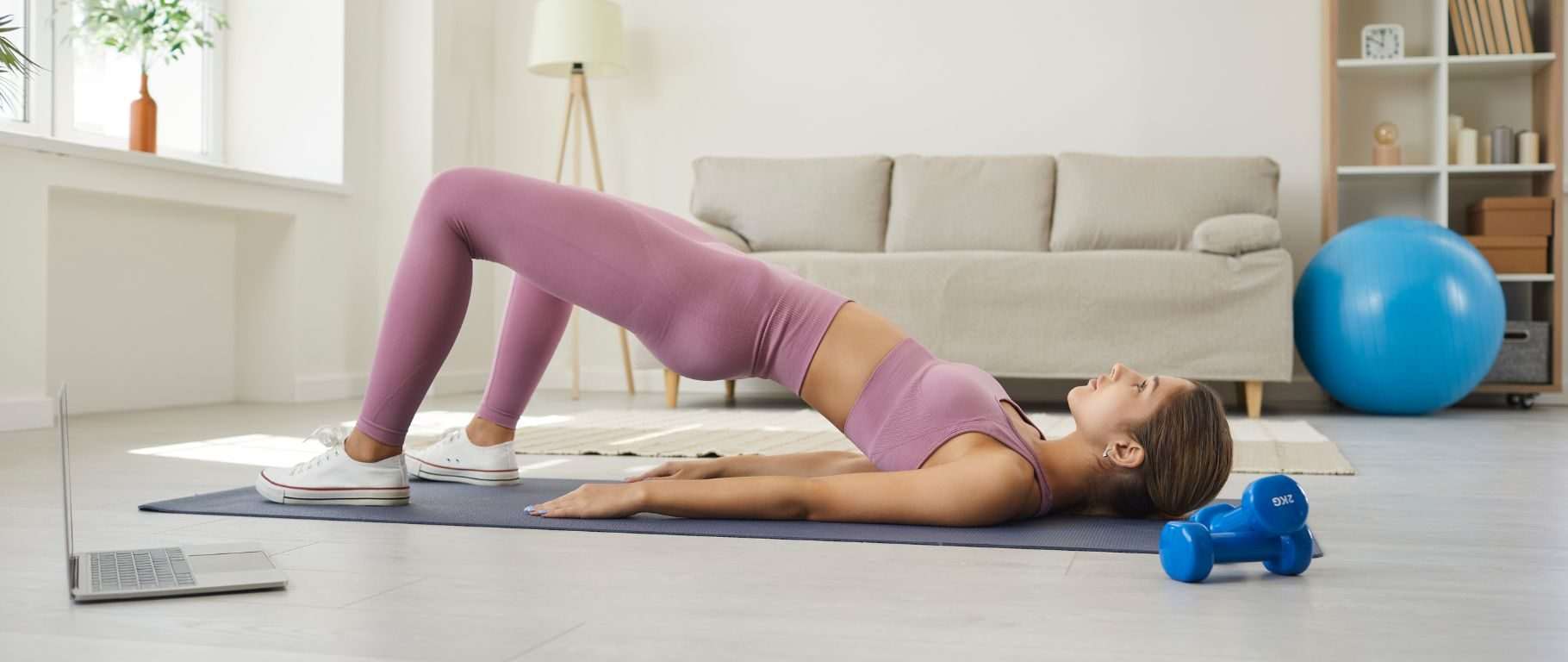
Pelvic health plays a vital but often overlooked role in a womans ability to move comfortably and perform daily tasks. Whether its walking, lifting, standing, or even sitting, the pelvic floor muscles contribute to stability, posture, and coordination. For women across Canada, especially those dealing with symptoms like pelvic pain, incontinence, or fatigue, physiotherapy offers essential solutions to restore mobility and improve everyday function.
The Pelvic Floor and Its Impact on Movement
The pelvic floor consists of a group of muscles that form a supportive sling at the base of the pelvis. These muscles connect to the hips, lower back, and abdominal wall, influencing how you move, balance, and bear weight.
When pelvic health is compromised, the following problems can arise:
Limited Range of Motion: Tight or weak pelvic muscles can restrict hip and spine movement, affecting walking and bending.
Postural Changes: Poor pelvic alignment can lead to slouched or rigid posture, contributing to pain and fatigue.
Core Instability: Pelvic floor dysfunction often leads to weakened core control, impacting balance and agility.
Gait Issues: Pain or muscle imbalance in the pelvic region can alter your walking pattern, increasing the risk of joint strain or falls.
Even basic activities like climbing stairs, lifting groceries, or playing with children can become difficult when pelvic muscles are not functioning optimally.
Common Everyday Problems Linked to Pelvic Dysfunction
Many women dont realize that their physical limitations or discomfort stem from poor pelvic health. Common signs include:
A feeling of heaviness or pressure in the pelvis
Leaking urine during sudden movements
Difficulty standing or sitting for long periods
Lower back or hip pain during activity
Trouble getting in and out of vehicles or chairs
Left untreated, these issues often become worse over time, affecting confidence, independence, and overall well-being.
How Physiotherapy Improves Pelvic Health and Mobility
Pelvic health physiotherapy targets the root causes of dysfunction and uses evidence-based techniques to restore strength, flexibility, and control.
Key approaches include:
Muscle Assessment and Retraining: Identifying which pelvic floor muscles are weak or overactive and creating a plan to restore balance.
Core Activation and Coordination: Teaching the pelvic floor to work with abdominal and back muscles to support movement and stability.
Manual Therapy: Releasing tight or painful tissues in the hips, pelvis, or lower back to improve range of motion.
Functional Training: Practicing real-life movementslike bending, squatting, or liftingwhile activating the correct muscle groups.
Postural and Gait Correction: Improving alignment to reduce strain and improve efficiency in walking and standing.
With consistent guidance from a physiotherapist, many women experience significant improvements in movement quality and confidence.
Long-Term Effects of Poor Pelvic Health on Mobility
Without proper intervention, pelvic dysfunction can lead to:
Chronic pain in the hips, back, or knees
Fatigue from overcompensation by other muscles
Decreased ability to exercise or perform physical tasks
Increased risk of falls or injuries, particularly as women age
Preventing these outcomes requires early awareness and action. Pelvic physiotherapy is one of the most effective strategies to prevent long-term mobility loss and support an active, independent lifestyle.
Integrating Pelvic Health into Your Routine
Improving pelvic health doesnt require major changes to your lifestyle. Simple strategies can be implemented throughout your day:
Practice pelvic floor engagement during tasks like lifting or standing
Maintain good posture when sitting at work or in the car
Use breath control during movement to support core stability
Include stretching and mobility exercises in your warm-up or cool-down routine
Your physiotherapist can help design a daily plan tailored to your lifestyle, ensuring pelvic muscle support is consistent and sustainable.
Conclusion
Pelvic health is central to mobility, balance, and daily functioning. When these foundational muscles are weakened or misaligned, everyday life can become more challenging and painful. Fortunately, physiotherapy offers a safe, personalized path to restore strength, improve posture, and regain functional freedom. For women across Canada, investing in pelvic health through physiotherapy is a proactive step toward lasting mobility, independence, and comfort in daily life.