Pelvic health plays a crucial role in determining your physical strength, mobility, and overall well-being. For many women in Canada, pelvic health concerns go undiagnosed or untreated, often because the symptoms are dismissed or misunderstood.

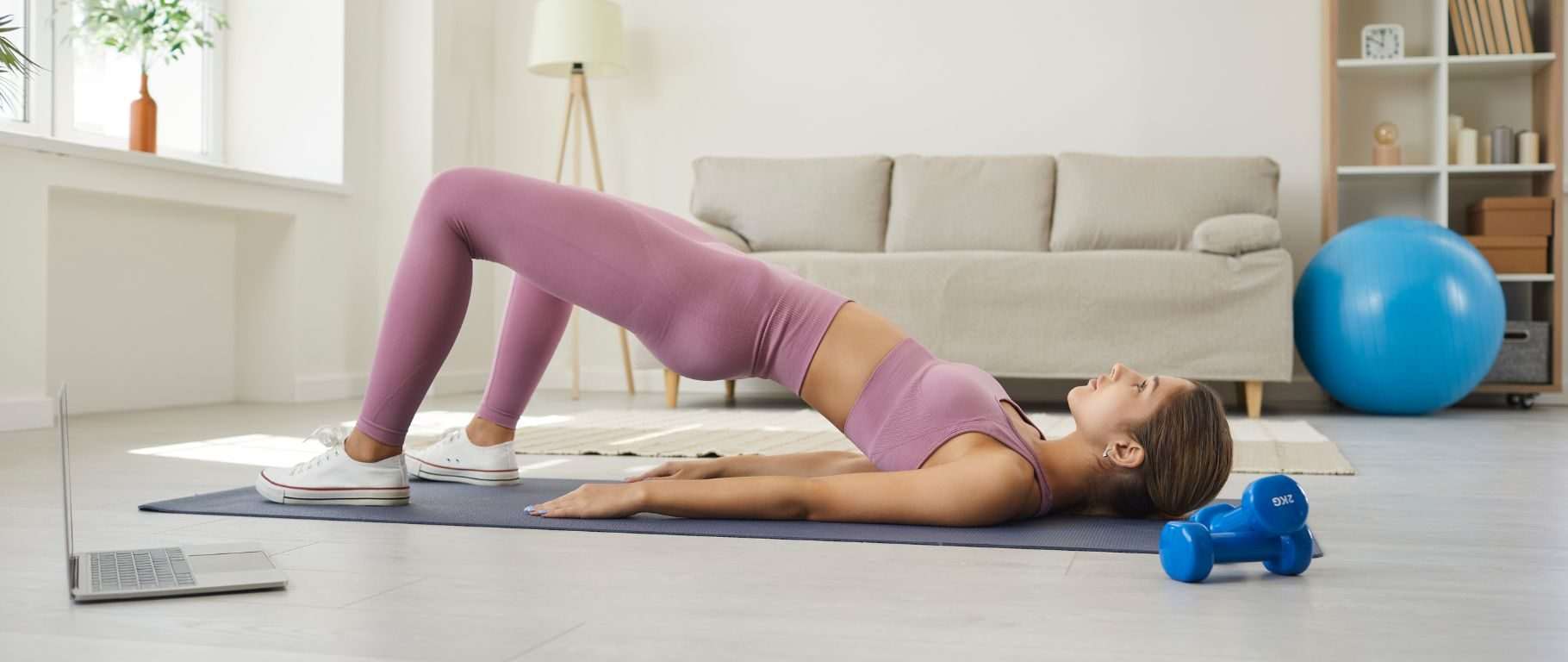
Pelvic health plays a crucial role in determining your physical strength, mobility, and overall well-being. For many women in Canada, pelvic health concerns go undiagnosed or untreated, often because the symptoms are dismissed or misunderstood. Yet, the pelvic floor is a central foundation for your body’s core strength, organ support, and movement efficiency. Understanding the importance of pelvic health is essentialnot only to address discomfort and dysfunction but to promote long-term physical health and vitality.
What Is Pelvic Health?
Pelvic health refers to the proper function and strength of the muscles, ligaments, and connective tissues in the pelvic region. This includes the pelvic floor muscles, which form a supportive hammock at the base of the pelvis and play a key role in bladder control, bowel function, sexual function, and core stability. When the pelvic floor is weak, tight, overactive, or imbalanced, it can lead to a wide range of physical issues that extend far beyond the pelvis itself.
The Core Connection: More Than Just Abs
One of the most critical connections in physical health is the link between pelvic floor function and core stability. Your pelvic floor muscles work in coordination with the deep abdominal muscles, diaphragm, and back muscles to stabilize your spine and pelvis. This group is known as the deep core. When your pelvic floor is not functioning optimally, your entire core becomes compromised.
Poor pelvic floor function can contribute to:
Lower back pain
Hip instability
Poor posture
Limited flexibility
Reduced balance and coordination
This interconnected system means that pelvic dysfunction can lead to seemingly unrelated symptoms, such as difficulty walking, chronic fatigue, or even neck pain, due to compensatory movement patterns.
Pelvic Floor Dysfunction and Chronic Pain
Many women suffer silently from chronic pelvic pain without realizing that the root cause may be musculoskeletal. Tight, overactive pelvic floor muscles can cause pain in the lower abdomen, lower back, hips, and thighs. In some cases, this pain can radiate and mimic conditions such as sciatica or fibromyalgia.
Addressing pelvic floor dysfunction through physiotherapy and targeted pelvic floor exercises can significantly reduce chronic pain and restore physical freedom. This is especially important for women dealing with postural stress, sedentary work environments, or hormonal changes such as menopause or postpartum recovery.
Impact on Movement and Exercise
The ability to move freely, lift weights, and engage in physical activities is deeply affected by the state of your pelvic health. A weak pelvic floor can lead to issues such as urinary leakage during exercise, pelvic heaviness, or feelings of instability. These symptoms discourage many women from remaining active, further reducing their physical health and muscle tone.
In contrast, a well-functioning pelvic floor allows for:
Stronger core engagement
Improved balance and coordination
Enhanced performance in sports or workouts
Better breath control and endurance
For active women and athletes, pelvic floor rehabilitation is not just a remedyits a performance booster.
Pelvic Health and Posture
Another area of overall physical well-being influenced by pelvic health is posture. The pelvis is the keystone of body alignment. When the muscles around the pelvis, including the pelvic floor, are imbalanced or dysfunctional, your posture suffers. Misaligned posture affects how your body distributes weight, absorbs impact, and maintains joint health.
Pelvic floor physiotherapy can help correct postural imbalances by strengthening the pelvic base, allowing the spine and hips to return to a more neutral, supportive position. Improved alignment leads to decreased strain on joints, reduced fatigue, and better body mechanics during everyday activities.
Aging and Pelvic Floor Function
As women age, hormonal changes and a natural decline in muscle mass can weaken the pelvic floor. Without intervention, this can result in increased risk of incontinence, pelvic organ prolapse, and reduced mobility. However, pelvic floor physiotherapy can be a powerful tool in mitigating age-related physical decline.
By addressing pelvic health early and consistently, women can maintain independence, stay active, and reduce the risk of falls or complications related to pelvic dysfunction. Aging with strength and confidence begins with pelvic awareness and intervention.
Mental Health and Physical Symptom Relief
While the focus is often on physical outcomes, pelvic health is also closely tied to mental and emotional well-being. Persistent symptoms like bladder leakage, pain during intimacy, or bowel dysfunction can lead to anxiety, embarrassment, and isolation. These emotional stressors can then manifest physically through muscle tension, poor sleep, and lack of motivation to stay active.
Restoring pelvic health through physiotherapy not only resolves physical symptoms but can also improve mental health outcomes. Many women report feeling more empowered, confident, and motivated once their pelvic issues are addressed.
A Preventive Approach to Wellness
Prioritizing pelvic health is a preventive approach to full-body wellness. Just as people invest time in strengthening their abs or stretching tight muscles, the pelvic floor requires the same attention and care. Regular pelvic floor assessments by trained physiotherapists, especially during life transitions like pregnancy, postpartum, or menopause, can prevent long-term issues.
Whether you are experiencing symptoms or not, learning to engage and relax your pelvic floor properly can build the foundation for a stronger, more resilient body.
Conclusion
Pelvic health is not a niche concernit is a fundamental component of your overall physical well-being. From posture and movement to pain relief and core strength, the pelvic floor affects nearly every function of the body. For women in Canada, especially those navigating motherhood, aging, or high-performance lifestyles, prioritizing pelvic health through professional physiotherapy can transform daily life and long-term health outcomes.
If youre experiencing any signs of pelvic floor dysfunction or simply want to be proactive about your wellness, a pelvic health physiotherapist can help guide you toward a stronger and healthier bodystarting from the inside out.