Pelvic health is a cornerstone of overall wellness for women, yet it is often overlooked until symptoms arise. Incorporating pelvic health exercises into your daily routine can significantly prevent future health problems related to the pelvic floor.

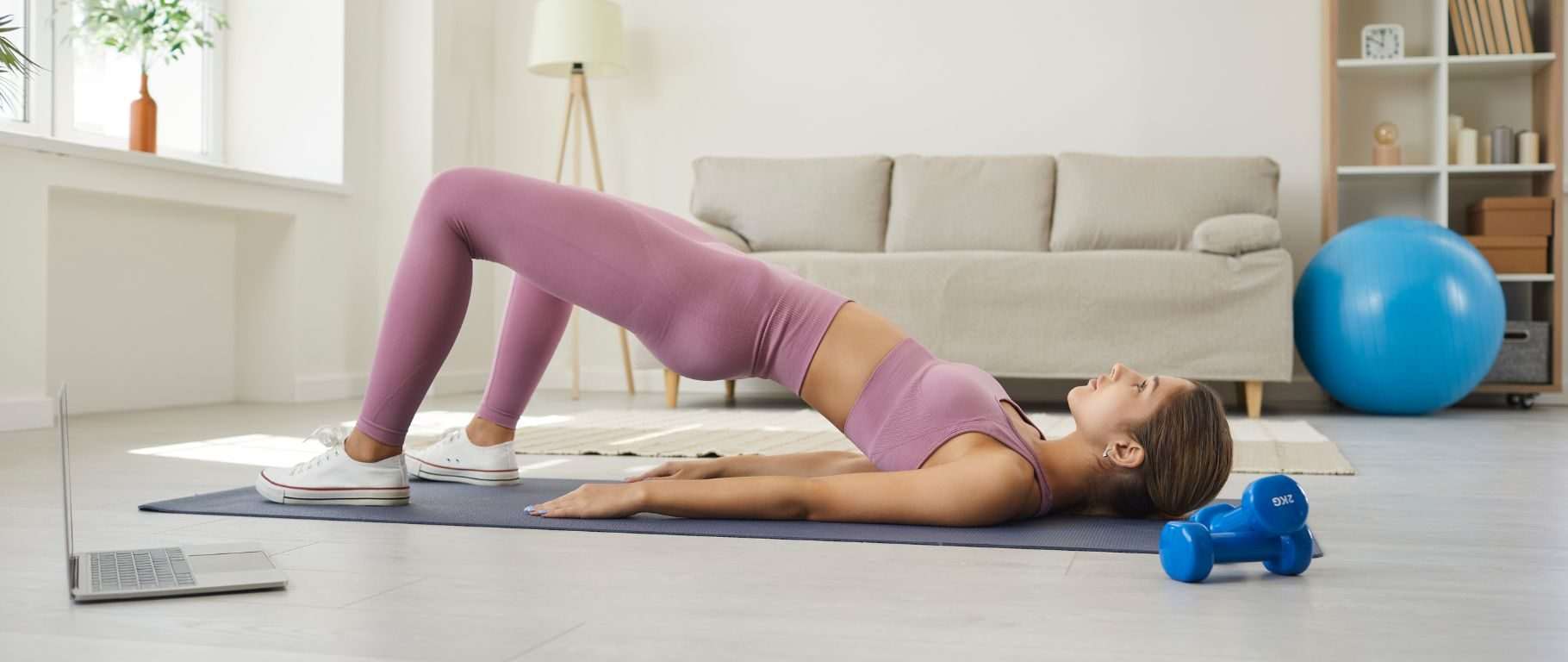
Pelvic health is a cornerstone of overall wellness for women, yet it is often overlooked until symptoms arise. Incorporating pelvic health exercises into your daily routine can significantly prevent future health problems related to the pelvic floor. These exercises, specifically designed to strengthen the muscles supporting the bladder, uterus, and rectum, improve function and reduce risks of complications such as incontinence, pelvic organ prolapse, and chronic pelvic pain.
The pelvic floor muscles play a crucial role in maintaining continence, supporting pelvic organs, and contributing to core stability. Weakness or dysfunction in these muscles can lead to a range of health issues. Regular pelvic health exercises enhance muscle tone and coordination, which is vital for women of all ages.
One of the most widely recommended pelvic health exercises is the Kegel exercise. Kegels involve contracting and relaxing the pelvic floor muscles, increasing strength and endurance over time. Performing Kegel exercises correctly improves blood flow to the pelvic region and helps maintain the integrity of pelvic support structures.
Besides Kegels, incorporating core strengthening and flexibility exercises that engage the pelvic area can also benefit pelvic health. Pilates and yoga, for instance, include movements that improve pelvic alignment and muscle engagement. These forms of exercise promote body awareness and help prevent pelvic floor strain caused by poor posture or improper movement patterns.
Importantly, pelvic health exercises are preventative but also therapeutic. For women experiencing mild symptoms of pelvic floor dysfunction, early intervention with targeted exercises can halt progression and reduce discomfort. Physiotherapists specializing in women’s health can provide personalized exercise programs tailored to individual needs, ensuring optimal technique and gradual progression.
Preventive pelvic health exercises have added benefits during pregnancy and postpartum recovery. Pregnancy places significant strain on the pelvic floor due to increased weight and hormonal changes. Engaging in pelvic exercises helps maintain muscle strength, reducing the likelihood of urinary incontinence or pelvic organ prolapse after childbirth.
Incorporating pelvic health exercises into daily life requires consistency and proper guidance. Women should start with gentle contractions, gradually increasing repetitions and hold times. Overexertion should be avoided as it may lead to muscle fatigue or exacerbation of symptoms.
In summary, pelvic health exercises serve as a vital preventive measure against future health problems related to pelvic floor dysfunction. By maintaining pelvic muscle strength, improving coordination, and enhancing overall pelvic support, these exercises contribute to women’s health and quality of life. Early adoption and ongoing practice of pelvic exercises can help avoid complications, improve continence, and promote comfort throughout different life stages.