How Physical Movement Supports Emotional and Mental Resilience brings new meaning to proactive care. Tap into fresh strategies that promote movement and strength.

Mental resilience isn’t just about willpower or positive thinkingits about the bodys ability to regulate stress, recover from emotional challenges, and maintain balance through lifes unpredictability. At YourFormSux (YFS), we know that physical movement is one of the most reliable and empowering ways to strengthen that resilience. When supported by physiotherapy, movement becomes a therapeutic tool for improving both emotional endurance and mental health.
Understanding the Link Between Movement and Resilience
Resilience is the capacity to recover from setbacks, manage emotional distress, and maintain a sense of inner control. While therapy and mindfulness are often recommended to build resilience, many overlook how essential physical movement is in this equation.
When the body is active, it increases blood flow, reduces inflammation, and releases brain chemicals like endorphins and BDNF (brain-derived neurotrophic factor), which support emotional recovery and neurological flexibility. These biochemical shifts foster a mindset that is more adaptable, less reactive, and better prepared to cope with daily stressors.
Physiotherapys Unique Role in Resilience Building
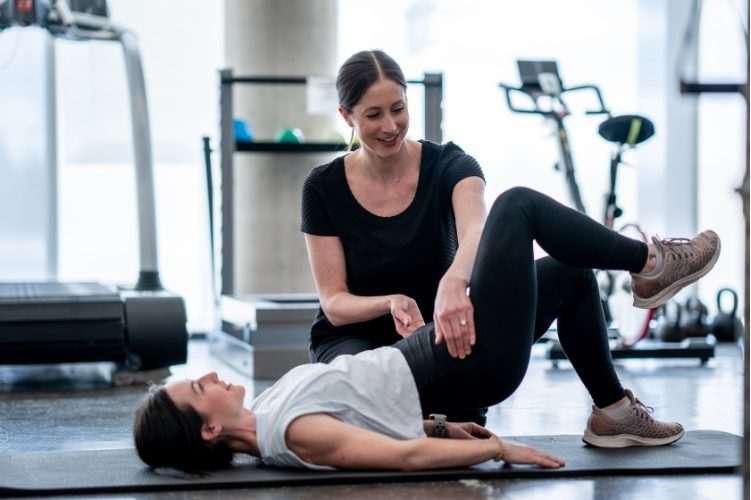
Unlike generic exercise, physiotherapy provides personalized, structured movement strategies that are aligned with your bodys specific needs. Whether you are dealing with chronic pain, muscle imbalances, or nervous system dysregulation, a physiotherapist can design a program that strengthens not only your physical body but also your emotional capacity.
Through guided movement, breath training, and neuromuscular retraining, you learn how to listen to your body, calm your mind, and bounce back from both physical and emotional setbacks.
Regulating the Nervous System Through Movement
A well-regulated nervous system is a cornerstone of emotional resilience. Physiotherapy helps regulate the autonomic nervous system by activating the parasympathetic responsethe rest and restore state that counteracts stress and anxiety. This is achieved through intentional breathwork, postural correction, and gentle mobility training.
At YFS, our therapists help you identify physical patterns linked to emotional tensiontight shoulders, clenched jaws, shallow breathingand replace them with patterns that foster calm and confidence.
Empowering Clients With Body Awareness
One of the most powerful outcomes of physiotherapy is increased body awareness. When youre attuned to your physical state, you gain more control over your emotional responses. You begin to notice when tension builds, when fatigue sets in, and when your posture or breath may be triggering mental unrest.
This awareness acts as an early warning system, helping you intervene before emotional stress turns into overwhelm. With the guidance of a YFS physiotherapist, you can build a toolkit of movement-based strategies that support emotional regulation throughout your day.
Creating a Resilient Routine Through Movement
Resilience doesnt develop overnightit is the product of consistent practice and self-care. A physiotherapy-guided movement routine can provide the structure and motivation needed to establish that consistency. Whether its a 10-minute posture session in the morning, breath-centered stretches during lunch, or a calming mobility routine before bed, movement becomes a way to recalibrate both physically and emotionally.
These routines are not just preventativetheyre healing. Over time, youll begin to feel more emotionally grounded, less reactive to stress, and better equipped to handle the demands of life.
Movement as Emotional Expression and Release
Sometimes, emotions get trapped in the body. Trauma, grief, and anxiety can all lead to physical restriction, tightness, or chronic discomfort. Through movement, we create opportunities for emotional release. This may not always be dramatic, but subtle changes in posture, flexibility, or muscle engagement can lead to meaningful emotional shifts.
At YourFormSux, we see movement as a languageone that gives voice to your inner state. By learning to move more freely and intentionally, you can access deeper levels of healing that go beyond what words can reach.
Final Thoughts: Strengthening Your Mind Through Your Body
Your mind and body are not separatethey are partners in health. When you move your body with intention and support, you build mental strength, emotional clarity, and a deep sense of resilience. Physiotherapy gives you the tools, knowledge, and support to move with confidence, manage emotional stress, and stay grounded through lifes challenges.
At YFS, were here to help you develop a movement practice that works for your body and your mindone that builds lasting mental resilience from the inside out.