Physiotherapists play a crucial role in addressing pain in the elderly, focusing on providing relief, improving function, and enhancing the quality of life. Pain in older adults can arise from various conditions, such as arthritis, osteoporosis, muscle weakness, or chronic diseases, and physiotherapists utilize a range of strategies to manage and alleviate this discomfort.

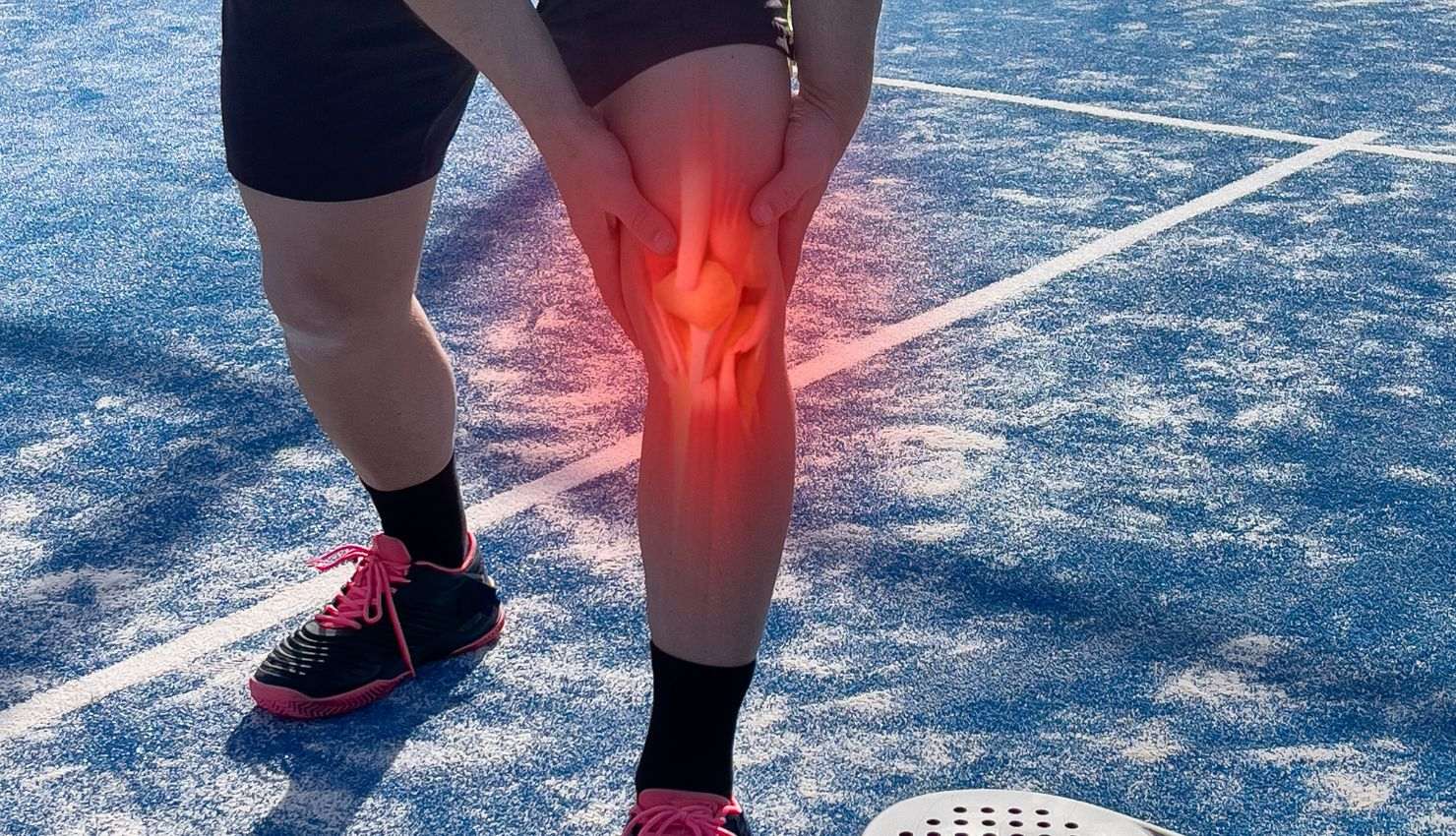
Physiotherapists play a crucial role in addressing pain in the elderly, focusing on providing relief, improving function, and enhancing the quality of life. Pain in older adults can arise from various conditions, such as arthritis, osteoporosis, muscle weakness, or chronic diseases, and physiotherapists utilize a range of strategies to manage and alleviate this discomfort.
1. Assessment and Diagnosis
The first step physiotherapists take is to assess the elderly person’s condition thoroughly. This includes evaluating the patients medical history, current pain levels, mobility, strength, and the underlying causes of pain (e.g., musculoskeletal or neurological issues). They may use tests to assess balance, coordination, and posture. Understanding the cause helps in tailoring a treatment plan specific to the individual’s needs.
2. Pain Management Techniques
Physiotherapists use a variety of techniques to help manage pain in elderly patients. Some of these include:
Therapeutic Exercise: A cornerstone of physiotherapy for the elderly is developing a personalized exercise regimen that targets improving flexibility, strength, and joint mobility. These exercises help reduce pain, prevent muscle atrophy, and improve overall functional ability. Strengthening muscles around painful joints, for instance, can relieve pressure on them and decrease pain.
Manual Therapy: This includes hands-on techniques like joint mobilization or manipulation to improve movement and reduce pain. For conditions like arthritis, manual therapy can be helpful in easing stiffness and improving joint function.
Heat and Cold Therapy: Applying heat can help relax tense muscles and alleviate pain, while cold therapy can reduce inflammation and numb painful areas. Physiotherapists may guide patients on the proper use of heat and cold for maximum relief.
Electrotherapy: Techniques like Transcutaneous Electrical Nerve Stimulation (TENS) are often used to manage pain. TENS uses electrical impulses to interfere with pain signals traveling to the brain, offering a non-invasive method to alleviate discomfort.
3. Posture and Ergonomics
Improper posture and body mechanics can contribute to pain, especially in conditions like back and neck pain. Physiotherapists educate elderly patients about proper posture and the importance of maintaining an aligned body during daily activities. They may also recommend ergonomic adjustments in the home to prevent strain during activities like sitting, standing, or lifting.
4. Fall Prevention
Falls are a major concern for elderly individuals, and the fear of falling can increase pain levels or restrict mobility. Physiotherapists assess fall risk and implement strategies to improve balance, coordination, and strength. Exercises focusing on improving balance, along with education about safe movement techniques, can reduce the risk of falls and prevent injury, indirectly addressing pain linked to past falls or weakness.
5. Pain Education
Many elderly individuals accept pain as a normal part of aging. Physiotherapists provide education about the causes of pain and how it can be managed. Understanding that pain isnt something they must simply live with can empower elderly patients to seek the appropriate care and make informed decisions about their health.
6. Chronic Pain Management
For conditions like osteoarthritis or fibromyalgia, which are often long-term, physiotherapists work to manage chronic pain. This may involve a combination of the techniques mentioned above, along with lifestyle changes, stress reduction strategies, and helping the patient understand how to manage flare-ups of pain.
7. Individualized Care
Since the elderly are often dealing with multiple health issues, physiotherapists ensure that treatments are customized. They take into account factors like the persons overall health, any medications they are on, cognitive abilities, and the severity of the pain. Treatment is not one-size-fits-all and may require ongoing adjustments to keep pain under control.
8. Motivation and Support
Dealing with pain can be discouraging, especially for older adults who may feel limited in their abilities. Physiotherapists not only provide physical care but also offer emotional support and motivation. Encouraging small, achievable goals and celebrating progress helps boost a patient’s confidence and willingness to continue treatment.
Conclusion
Physiotherapists are integral to the pain management process for elderly individuals. By combining assessment, personalized treatment plans, hands-on techniques, and education, they help elderly patients manage pain, improve function, and maintain independence. Their approach goes beyond just alleviating physical discomfort; it empowers older adults to lead more active and fulfilling lives despite the challenges of aging.