Postural pain is a common issue that many people face, particularly those who spend long hours sitting, standing, or performing repetitive tasks. Poor posture can lead to muscle imbalances, joint strain, and discomfort, which may cause pain in areas like the neck, back, shoulders, and hips.

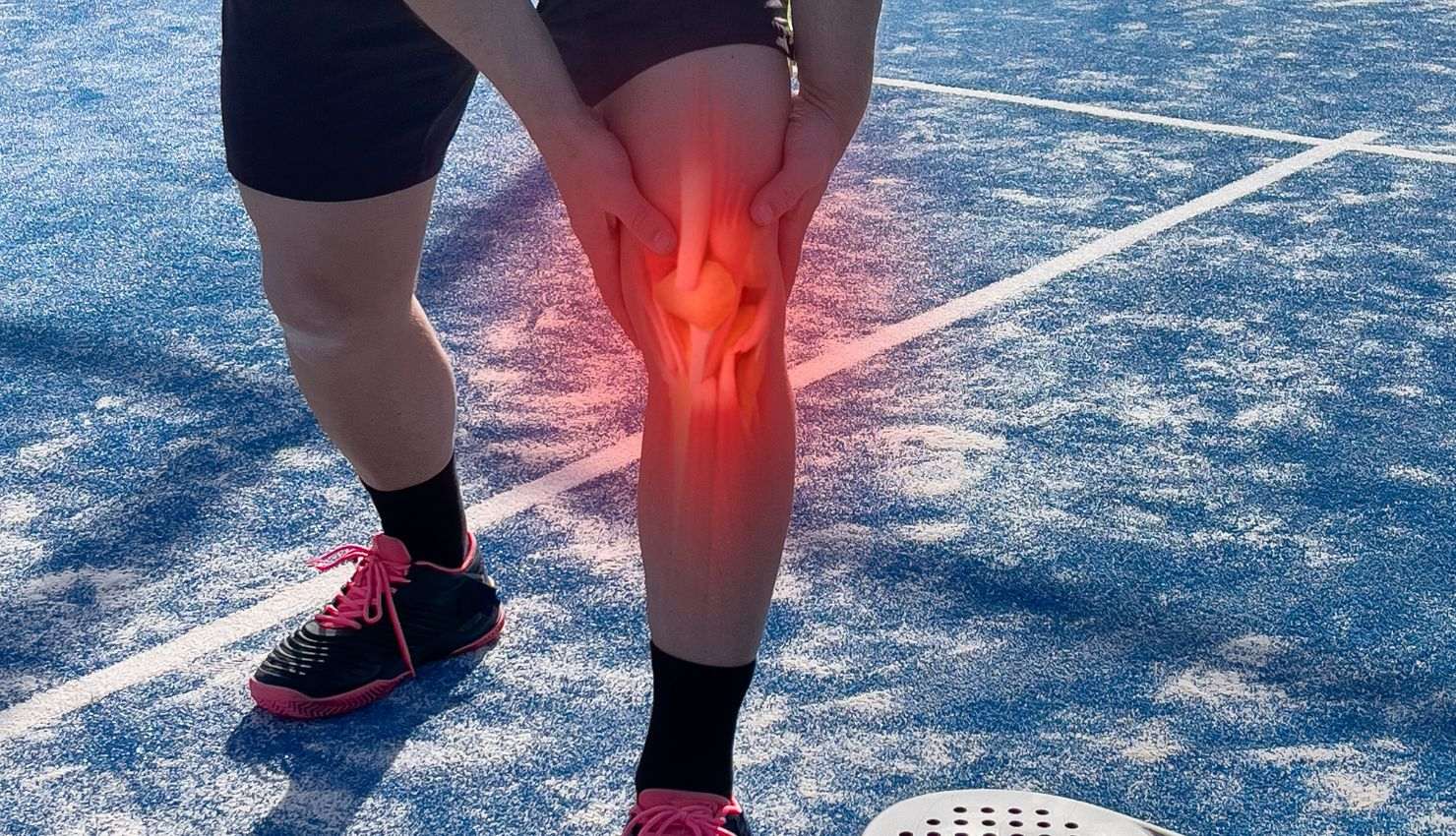
Postural pain is a common issue that many people face, particularly those who spend long hours sitting, standing, or performing repetitive tasks. Poor posture can lead to muscle imbalances, joint strain, and discomfort, which may cause pain in areas like the neck, back, shoulders, and hips. Physiotherapists are trained to assess and treat postural pain using a variety of techniques designed to improve posture, alleviate pain, and prevent future issues. Heres how physiotherapists can help with postural pain:
### **1. Postural Assessment**
The first step in treating postural pain is a thorough postural assessment. A physiotherapist will evaluate:
* **Your Current Posture**: They will examine how you hold your body during various activities (e.g., sitting, standing, walking).
* **Alignment of Your Spine**: Theyll check for misalignments, such as forward head posture, rounded shoulders, or pelvic tilts.
* **Muscle Imbalances**: Physiotherapists assess the strength and flexibility of muscles around the spine and joints to identify areas of weakness or tightness.
By understanding your postural habits and physical condition, the physiotherapist can identify the root cause of your pain and create a personalized treatment plan.
### **2. Education on Correct Posture**
One of the most important ways physiotherapists help with postural pain is by educating you about the importance of proper posture and how it impacts your health. Physiotherapists teach you:
* **Ergonomics**: How to set up your workstation (desk, chair, computer screen) to promote better posture while sitting or standing. This may involve adjusting the height of your chair, the positioning of your screen, or the way you sit to reduce strain on your spine and muscles.
* **Body Awareness**: Techniques to become more aware of your posture throughout the day, including tips for maintaining a neutral spine and avoiding slouching.
* **Postural Breaks**: Physiotherapists emphasize the importance of taking breaks during long hours of sitting or standing to prevent muscle fatigue and strain.
### **3. Corrective Exercises**
Physiotherapists design personalized exercise programs to address muscle imbalances caused by poor posture. These exercises are aimed at:
* **Strengthening Weak Muscles**: Poor posture often results from weak muscles that are not supporting the body properly. For example, people with forward head posture may have weak upper back muscles (like the rhomboids and traps), while those with rounded shoulders may have weak chest and shoulder stabilizing muscles. Physiotherapists target these muscles with exercises like:
* **Scapular retraction**: To strengthen upper back muscles.
* **Chin tucks**: To help align the head and neck.
* **Shoulder blade squeezes**: To engage and strengthen the muscles around the shoulder girdle.
* **Stretching Tight Muscles**: Over time, poor posture can lead to muscle tightness. Stretching exercises help improve flexibility and alleviate tightness in muscles like the hip flexors, chest, hamstrings, and lower back. For example:
* **Chest openers**: To stretch tight chest muscles and relieve rounded shoulders.
* **Hip flexor stretches**: To reduce tightness in the hips caused by prolonged sitting.
* **Neck stretches**: To alleviate tightness and tension in the neck and upper back.
* **Improving Core Stability**: A strong core is essential for maintaining good posture. Core strengthening exercises help support the spine and improve overall posture. Common core exercises include:
* **Planks**: To engage and strengthen the entire core.
* **Bridges**: To activate glutes and lower back muscles.
* **Pelvic tilts**: To improve posture and flexibility in the lower back.
### **4. Manual Therapy**
Physiotherapists often use manual therapy techniques to relieve pain and tension caused by poor posture. These hands-on techniques help:
* **Relieve Muscle Tension**: Soft tissue massage or myofascial release helps reduce tightness in muscles and fascia, particularly in areas such as the neck, upper back, and shoulders.
* **Increase Joint Mobility**: Joint mobilizations and manipulations may be used to improve the range of motion in stiff or restricted areas, such as the spine or shoulders.
* **Improve Circulation**: Manual therapy helps promote blood flow to muscles and tissues, aiding in recovery and reducing muscle fatigue caused by poor posture.
### **5. Postural Correction Techniques**
Physiotherapists may use specific techniques to help you adjust your posture:
* **Therapeutic Taping**: Kinesiology tape or other taping techniques may be applied to encourage better posture and provide support to muscles and joints.
* **Postural Re-education**: Physiotherapists guide you through exercises and movements that retrain your muscles and improve posture. They may use mirror feedback or physical cues to correct your alignment during exercises.
* **Alignment Techniques**: The physiotherapist may also teach you specific techniques for maintaining good posture in various activities, such as standing, sitting, walking, or lifting.
### **6. Lifestyle and Activity Modification**
Physiotherapists often recommend changes to your daily routine to help prevent postural pain:
* **Ergonomic Advice**: Guidance on how to adjust your workspace, such as ensuring your computer screen is at eye level, using a chair with lumbar support, and positioning your keyboard and mouse to reduce strain on the wrists and shoulders.
* **Movement Modifications**: Tips on how to perform everyday activities (e.g., lifting, carrying, walking) with proper body mechanics to avoid straining the muscles and joints.
* **Activity Modification**: If certain activities or exercises are aggravating your pain, a physiotherapist can recommend modifications to those activities to prevent further injury while still staying active and mobile.
### **7. Use of Assistive Devices**
In some cases, physiotherapists may recommend the use of assistive devices to improve posture and reduce pain:
* **Orthotics**: Custom-made insoles or supports can be used to improve posture and alignment by addressing foot mechanics, which can impact overall posture.
* **Lumbar Supports**: Special cushions or supports for the lower back can be used to maintain proper alignment while sitting for long periods.
### **8. Pain Management Techniques**
Physiotherapists can use various pain management techniques to address postural pain:
* **Heat or Cold Therapy**: Applying heat or cold to the affected area can help relieve muscle tension and reduce inflammation.
* **TENS (Transcutaneous Electrical Nerve Stimulation)**: This method uses electrical impulses to block pain signals and relieve discomfort from muscle tension or joint strain caused by poor posture.
### **9. Long-Term Postural Maintenance**
Once your posture is corrected and your pain is alleviated, physiotherapists help you develop a plan to maintain good posture over time. This includes:
* **Ongoing Exercise**: A home exercise program to keep muscles strong, flexible, and balanced.
* **Regular Check-ins**: Periodic follow-up appointments to monitor progress and address any postural issues that may arise.
* **Self-awareness**: Encouraging you to be mindful of your posture throughout daily activities to prevent future pain.
### **Conclusion**
Physiotherapists play a key role in treating postural pain by addressing its root causes and providing long-term strategies to improve posture, reduce pain, and prevent future discomfort. Through a combination of postural assessments, education, corrective exercises, manual therapy, and lifestyle modifications, physiotherapists help individuals regain proper alignment, relieve pain, and enhance overall function. If you’re dealing with postural pain, seeking the expertise of a physiotherapist can significantly improve your posture and quality of life.