Lower back pain and sciatica two conditions that can stop you in your tracks. Whether its a dull, persistent ache or a sharp, shooting pain down your leg, these issues can make everyday tasks feel downright overwhelming.

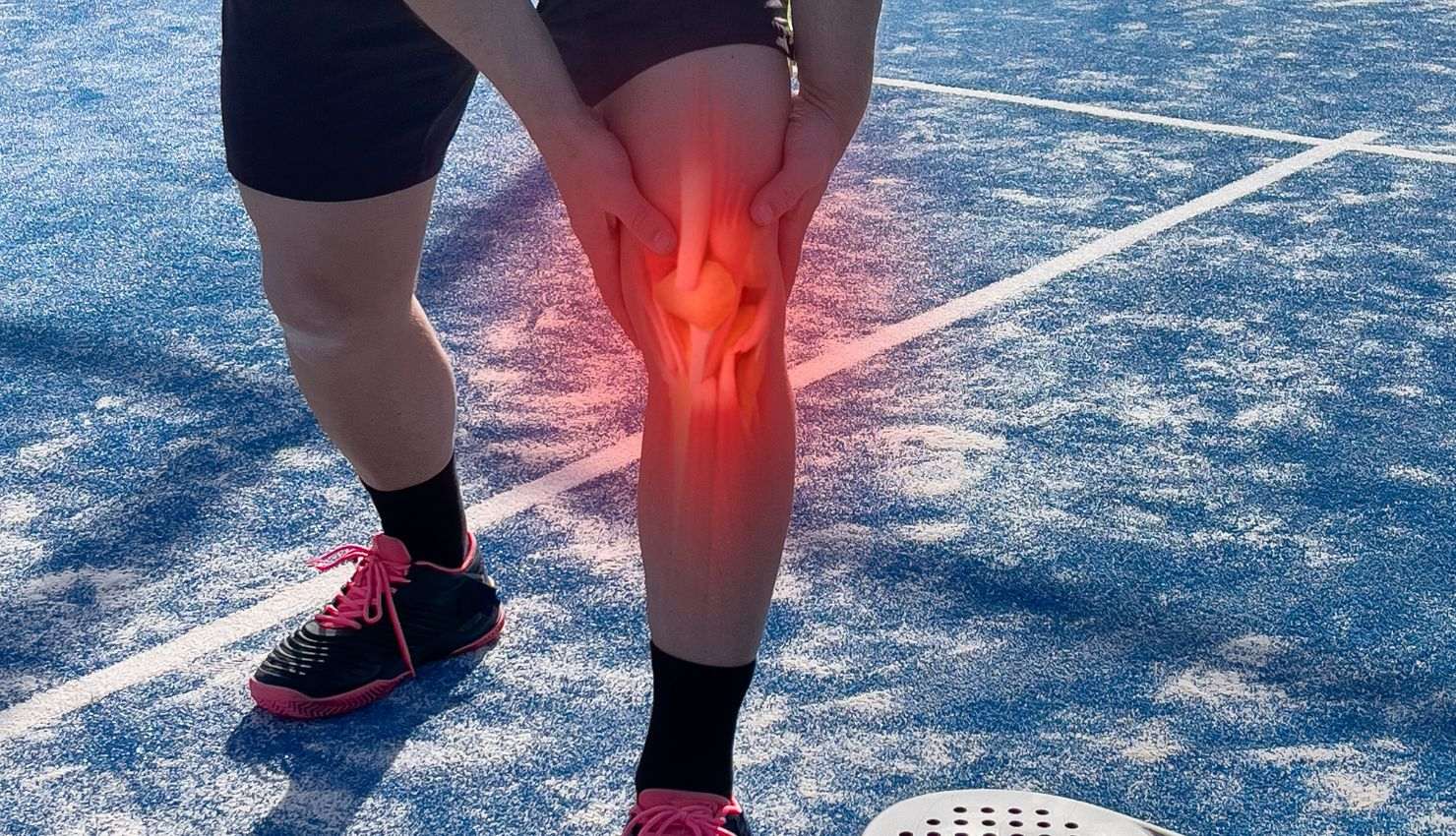
Lower back pain and sciatica two conditions that can stop you in your tracks. Whether its a dull, persistent ache or a sharp, shooting pain down your leg, these issues can make everyday tasks feel downright overwhelming. But here’s the good news: physiotherapists are movement experts who specialize in helping you get lasting relief without relying on medication or surgery.
Lets break down how physiotherapy works to manage sciatica and lower back pain, and how it can help you feel stronger, more mobile, and back in control.
?? First, Whats the Difference Between Lower Back Pain and Sciatica?
Lower back pain is a general term that covers pain in the lumbar spine (your lower back). It could be from muscle strain, disc issues, joint inflammation, or even poor posture.
Sciatica, on the other hand, refers specifically to pain caused by irritation or compression of the sciatic nerve the largest nerve in your body. This pain often:
Starts in the lower back or buttock
Shoots down the leg (sometimes all the way to the foot)
Feels sharp, burning, or electric-like
May include numbness or tingling
Many people experience both at the same time and thats where a physiotherapist can make a big difference.
?? How Physiotherapy Helps Relieve Sciatica and Lower Back Pain
1?? Thorough Assessment and Personalized Treatment Plan
Your physio starts by identifying the root cause of your pain not just where it hurts, but why it hurts. Theyll assess:
Your posture and spinal alignment
How you move and walk
Muscle strength and flexibility
Nerve sensitivity and pain triggers
This full-body assessment helps build a tailored plan to address your specific needs because back pain isn’t one-size-fits-all.
2?? Pain Relief Techniques
When pain is severe, the first priority is to get it under control. Physiotherapists use techniques to calm the irritated area and reduce inflammation, such as:
Heat or cold therapy
TENS (electrical nerve stimulation)
Ultrasound therapy
Manual therapy to release tight muscles and reduce nerve compression
These methods can relieve pain and create the conditions your body needs to begin healing.
3?? Stretching and Mobility Exercises
Tight muscles around the hips, back, and legs often worsen back pain and sciatica. Your physiotherapist will guide you through gentle, targeted stretches to:
Loosen up the hamstrings and glutes
Mobilize the spine and hips
Reduce pressure on the sciatic nerve
Improve overall flexibility and range of motion
These are small, controlled movements not aggressive stretches designed to help you feel better, not worse.
4?? Strengthening Core and Support Muscles
Your core muscles (not just your abs but deep back, pelvic, and abdominal muscles) play a huge role in spinal health. When theyre weak, your lower back has to work harder often leading to pain.
Physiotherapy includes safe, progressive strengthening exercises that target:
Deep core stabilizers
Glutes and hips
Lower back muscles
Postural support muscles (upper back and shoulders)
The stronger your support system, the more protected your spine becomes.
5?? Manual Therapy for Stiff Joints and Tight Muscles
Your physio may use hands-on techniques such as:
Spinal mobilization
Soft tissue massage
Trigger point release
Myofascial release
These methods help relieve muscle spasms, improve spinal movement, and reduce nerve pressure especially helpful for sciatic nerve irritation.
6?? Nerve Gliding and Neural Mobilization
For true sciatica, your physiotherapist may include specific nerve flossing or gliding exercises. These gentle movements help:
Reduce nerve irritation
Improve circulation to the nerve
Restore healthy nerve mobility
Ease that sharp, shooting sensation down the leg
Its a delicate process one that physios are trained to guide carefully.
7?? Posture and Lifestyle Coaching
Poor posture, long hours of sitting, or repetitive strain can all contribute to back pain. Your physiotherapist will help you:
Improve sitting and standing posture
Set up an ergonomic workstation
Learn how to lift and move safely
Build daily habits that support a healthy spine
Even simple tweaks like how you get out of bed or carry groceries can make a big difference.
?? Bonus: Education = Empowerment
One of the best parts of working with a physiotherapist? Youll learn how to manage your condition long-term not just patch up the pain.
Theyll help you:
Understand how pain works in your body
Know which movements help (and which to avoid)
Feel confident about staying active
Prevent future flare-ups with the right tools
In a Nutshell
Lower back pain and sciatica can feel limiting, but theyre not something you have to live with. Physiotherapy offers a comprehensive, hands-on, and personalized approach that helps relieve pain, restore movement, and rebuild strength without medication or surgery.
So if your back or leg pain is slowing you down, physiotherapy can help you move forward safely, comfortably, and with confidence.