Absolutelylets talk about one of the most crucial (yet often overlooked) parts of healing: post-injury pain management, and how physiotherapists help guide this process every step of the way. Whether youve rolled an ankle, torn a ligament, had surgery, or pulled a muscle, pain doesn’t just go away on its own.

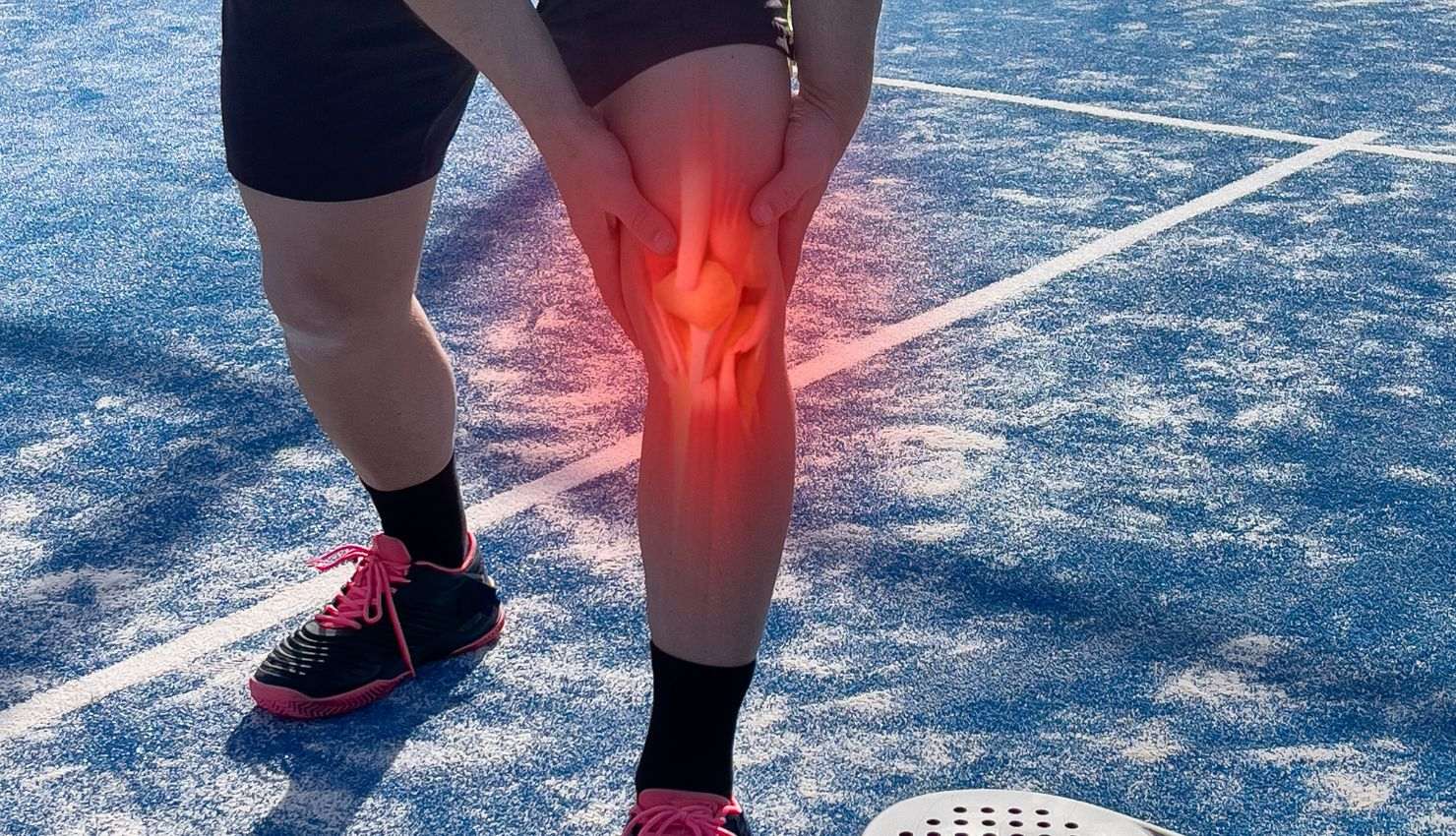
Absolutelylets talk about one of the most crucial (yet often overlooked) parts of healing: post-injury pain management, and how physiotherapists help guide this process every step of the way.
Whether youve rolled an ankle, torn a ligament, had surgery, or pulled a muscle, pain doesn’t just go away on its own. And while medications might help temporarily, physiotherapy offers long-term, movement-based strategies to help your body heal the right waywithout relying on pills or risking further damage.
?? First, Why Pain Lingers After an Injury
Even after the injury starts to heal, your body might still be:
Inflamed or swollen
Guarding the area (think muscle tightness or limping)
Moving awkwardly to avoid pain
Weak or unbalanced
Carrying compensations from the injury in other areas
Physiotherapists are trained to address both the pain and its underlying causeso you dont end up with chronic pain or repeat injuries.
?? How Physiotherapists Help Manage Post-Injury Pain
1. Thorough Assessment and Diagnosis
Pain is just the signalphysios look for the story behind it:
Is a joint too stiff?
Are surrounding muscles weak or overactive?
Are nerves involved?
Is poor posture or gait adding to the problem?
This allows them to tailor a recovery plan that actually worksnot just guesswork.
2. Hands-On Therapy to Reduce Pain
Physios use manual therapy techniques to get things moving and relieve tension:
Joint mobilization to restore movement in stuck joints
Soft tissue massage to ease tight muscles and reduce inflammation
Trigger point therapy to release knots causing referred pain
This helps reset the body and provides immediate relief for many patients.
3. Guided Movement and Exercise
Heres the magic: controlled movement actually reduces pain.
Physios prescribe exercises that:
Improve blood flow to help healing
Strengthen supporting muscles
Restore mobility and balance
Break the cycle of stiffness and guarding
Think of it as retraining your body to move without fear or pain.
4. Pain-Relief Modalities
To calm things down during flare-ups, physios might use tools like:
TENS machines (mild electrical stimulation to block pain signals)
Ice/heat therapy
Ultrasound therapy for deep tissue healing
Dry needling to release deep muscle tension and trigger points
These techniques are especially helpful in the early stages of healing.
5. Education & Empowerment
Knowledge is pain relief, too. Physiotherapists teach you:
How to avoid aggravating movements
What to do if pain spikes
How to manage swelling and soreness at home
How to gradually return to daily activities or sports
This reduces anxiety, builds confidence, and gives you control over your recovery.
6. Preventing Chronic Pain
Perhaps the most underrated benefit: stopping acute pain from becoming long-term. Without proper rehab, your body can:
Adapt poor movement patterns
Weaken or stiffen
Develop compensations that lead to new injuries
Physiotherapists catch and correct these earlykeeping you out of the chronic pain cycle.
?? How Soon Should You Start Physio?
As early as possible. The sooner you start moving (safely), the better your recovery. Even if youre still resting or post-op, physios can help with gentle mobility, circulation, and strategies to avoid stiffness and scar tissue buildup.
? Final Thought
Post-injury pain doesnt have to be something you just live with. Physiotherapy offers real solutionshands-on treatment, personalized movement strategies, and tools that reduce pain naturally. The goal? Not just recovery, but returning to the activities you love, stronger and more confident than before.