Soft tissue injuries, which affect muscles, tendons, ligaments, and fascia (the connective tissue around muscles), are common in both active individuals and those who lead a sedentary lifestyle. These injuries can result from trauma, overuse, repetitive motions, or poor posture.

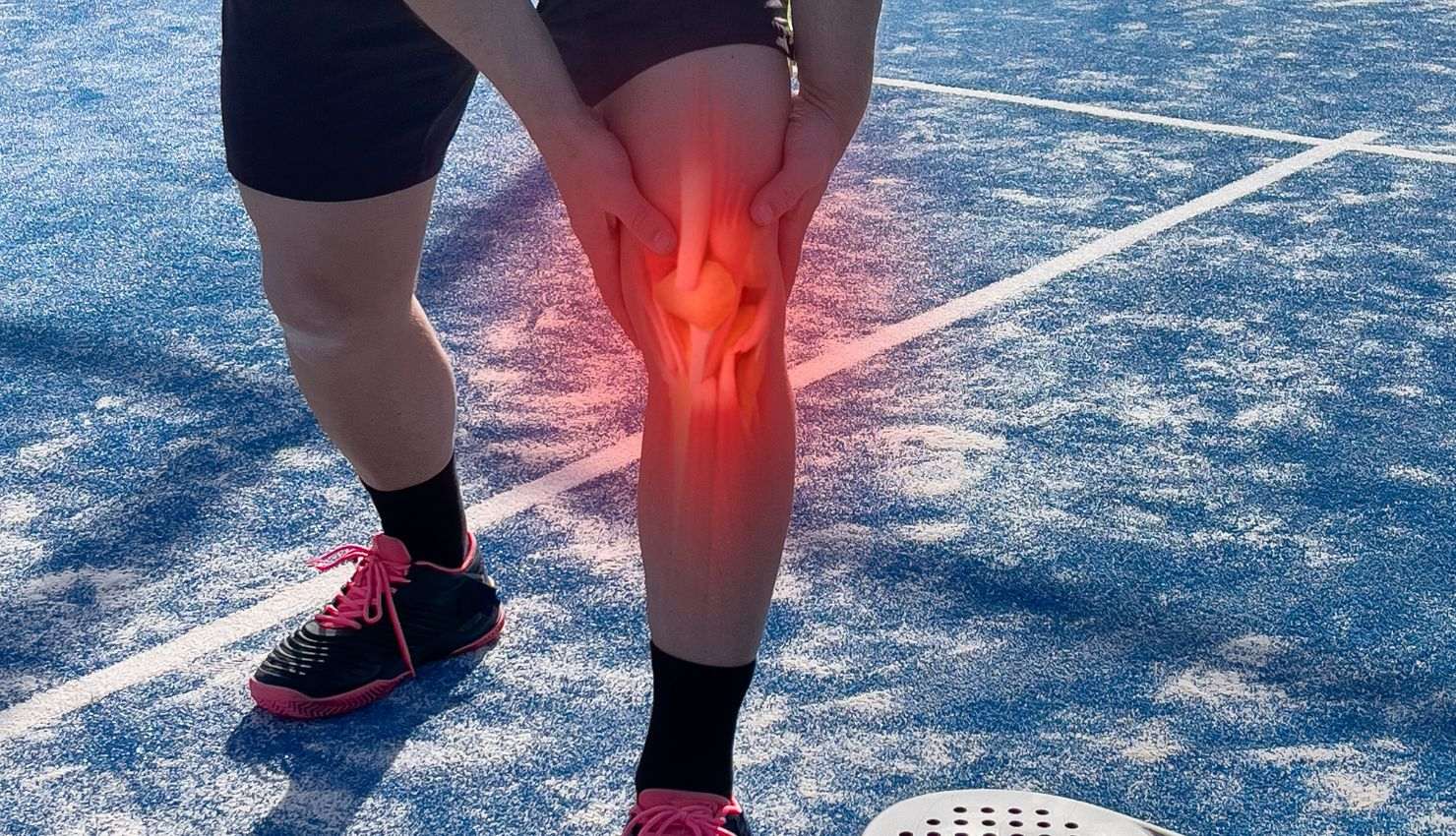
Soft tissue injuries, which affect muscles, tendons, ligaments, and fascia (the connective tissue around muscles), are common in both active individuals and those who lead a sedentary lifestyle. These injuries can result from trauma, overuse, repetitive motions, or poor posture. Whether caused by a sprain, strain, contusion, or overuse, soft tissue injuries can lead to significant pain, swelling, and a loss of mobility.
Physiotherapy is a crucial tool in overcoming pain from soft tissue injuries. Through a combination of hands-on techniques, exercise programs, and lifestyle adjustments, physiotherapists can help reduce pain, promote healing, and restore function.
Heres how physiotherapists can help you recover from pain caused by soft tissue injuries:
### **1. Comprehensive Assessment and Diagnosis**
The first step in treating soft tissue injuries with physiotherapy is a thorough assessment to identify the nature and extent of the injury. A physiotherapist will ask about the symptoms, your activity history, and any past injuries to determine how best to address the issue.
#### **What Happens During the Assessment:**
* **Medical History**: The physiotherapist will review your injury history, including how and when the injury occurred, as well as your pain levels and activity limitations.
* **Physical Examination**: The physiotherapist will perform a physical exam to assess the affected area, checking for swelling, bruising, and tenderness. They will also evaluate the range of motion (ROM) and strength of the injured body part to understand how the injury has affected movement.
* **Functional Assessment**: The physiotherapist will observe how the injury affects your ability to perform daily tasks or specific movements (e.g., walking, lifting, running) to develop a plan that addresses pain, limitations, and recovery goals.
Once the assessment is completed, the physiotherapist will devise an individualized treatment plan to help manage your soft tissue injury and relieve the associated pain.
—
### **2. Pain Relief Techniques**
One of the primary goals of physiotherapy is to provide pain relief, especially in the early stages of soft tissue injury. Physiotherapists use various modalities to reduce pain and inflammation, allowing the healing process to begin effectively.
#### **How Physiotherapists Help with Pain Relief:**
* **Cold Therapy (Cryotherapy)**: Ice packs or cold compresses are used to reduce inflammation, swelling, and pain. Cold therapy is particularly effective in the acute phase of injury, especially when there is swelling or bruising.
* **Heat Therapy**: Heat therapy is used after the initial inflammation has gone down. It helps to relax tight muscles, improve blood flow, and reduce stiffness. Heat therapy can be applied through hot packs, heating pads, or warm baths.
* **TENS (Transcutaneous Electrical Nerve Stimulation)**: TENS units use electrical impulses to block pain signals and stimulate the bodys natural pain-relieving chemicals (endorphins). This is a non-invasive method for managing pain without medication.
* **Ultrasound Therapy**: Therapeutic ultrasound uses sound waves to penetrate the tissues and promote healing by increasing blood flow, reducing swelling, and relieving pain in deeper tissues.
These pain management techniques help reduce discomfort, allowing you to engage in rehabilitation exercises more effectively.
—
### **3. Manual Therapy**
Manual therapy involves hands-on techniques used by physiotherapists to manipulate muscles, joints, and soft tissues. It is effective for reducing muscle tension, improving flexibility, and alleviating pain caused by soft tissue injuries.
#### **How Physiotherapy Uses Manual Therapy:**
* **Soft Tissue Mobilization**: This technique involves using the hands to massage and mobilize soft tissues (muscles, tendons, and fascia). It helps release muscle knots, reduce tightness, and promote relaxation of the injured tissues.
* **Myofascial Release**: Myofascial release targets areas of muscle tightness or restrictions in the fascia. It is particularly helpful for conditions like myofascial pain syndrome, which is often caused by soft tissue injuries.
* **Joint Mobilization**: Physiotherapists use joint mobilization to gently move the affected joints to restore normal motion and reduce stiffness. This is especially helpful if a soft tissue injury affects the joint, such as with tendonitis or ligament sprains.
* **Trigger Point Therapy**: This technique targets “trigger points” (tight, painful knots in muscles) to relieve pain and reduce muscle tension. Trigger point therapy is often used for injuries that cause muscle spasms.
Manual therapy can significantly reduce pain, improve mobility, and accelerate the healing process by targeting the soft tissues affected by the injury.
—
### **4. Strengthening Exercises**
Weak muscles and imbalances can worsen the pain and prolong recovery from soft tissue injuries. Physiotherapists incorporate strengthening exercises to improve muscle function, provide support to the injured area, and prevent future injury.
#### **How Strengthening Exercises Help:**
* **Targeted Strengthening**: Physiotherapists design exercises that specifically target the muscles that support the injured tissue. For example, if you have a hamstring strain, exercises will focus on strengthening the hamstrings and surrounding muscles to promote healing and restore normal function.
* **Progressive Resistance Training**: Strengthening exercises are introduced gradually, starting with low resistance and progressing as the injured area heals. This ensures that muscles are strengthened without overloading the injured tissue.
* **Core Strengthening**: Core strength is crucial for overall stability and support. A weak core can contribute to poor posture and movement patterns, exacerbating soft tissue injuries. Strengthening the core muscles helps reduce strain on the injured area and prevents further injury.
Strengthening the muscles around the injury helps reduce pain, improve stability, and restore function to the affected area.
—
### **5. Stretching and Flexibility Exercises**
Tight muscles and tendons can contribute to ongoing pain and stiffness after a soft tissue injury. Physiotherapists recommend stretching and flexibility exercises to improve muscle length and restore normal movement.
#### **How Stretching Helps with Soft Tissue Pain:**
* **Gentle Stretching**: Physiotherapists introduce stretching exercises to help restore flexibility to the affected muscles and tendons. Stretching reduces muscle tightness and prevents further strain on the injured area.
* **Dynamic Stretching**: As the injury heals, dynamic stretching exercises (moving stretches) can be introduced to prepare the body for functional movement and reduce stiffness.
* **Myofascial Stretching**: Myofascial stretching techniques can help improve the length of fascia (connective tissue) and reduce restrictions in the soft tissues, which can contribute to pain and discomfort.
Stretching exercises improve flexibility, reduce muscle tension, and help restore normal movement patterns, which reduces pain and stiffness from soft tissue injuries.
—
### **6. Postural and Movement Education**
Soft tissue injuries often arise from poor posture or dysfunctional movement patterns. Physiotherapists assess your posture and movement mechanics to identify the underlying cause of the injury and prevent recurrence.
#### **How Physiotherapy Helps with Posture and Movement:**
* **Postural Education**: Physiotherapists teach you how to maintain good posture during daily activities such as sitting, standing, walking, and lifting. Proper posture reduces strain on the muscles and joints, preventing further injury.
* **Correcting Movement Patterns**: Physiotherapists analyze how you move during activities like walking, bending, or lifting to identify any faulty movement patterns that may be contributing to the injury. They provide exercises and techniques to improve your movement mechanics and reduce the risk of re-injury.
* **Ergonomics**: For individuals who spend long hours sitting or performing repetitive tasks, physiotherapists provide ergonomic recommendations to adjust workstations, chairs, or tools to reduce strain on the body.
Improving posture and movement habits reduces the strain on soft tissues and helps prevent future injuries or flare-ups.
—
### **7. Education on Self-Care and Prevention**
Physiotherapists provide education on how to manage your soft tissue injury at home and prevent future injuries. This is an essential part of rehabilitation, as it empowers you to take an active role in your recovery.
#### **Self-Care Strategies:**
* **Home Exercise Program**: Physiotherapists provide a home exercise program that includes strengthening, stretching, and mobility exercises to continue recovery outside of sessions.
* **Activity Modification**: Physiotherapists advise on how to modify activities or use adaptive techniques to reduce strain on the injured area while you recover.
* **Pain Management**: Physiotherapists teach self-management techniques, such as the use of ice/heat therapy, rest, and proper body mechanics to manage pain and promote healing.
By teaching you how to care for your injury independently, physiotherapists help ensure a faster recovery and reduce the risk of future issues.
—
### **8. Long-Term Maintenance and Prevention**
Once the soft tissue injury heals, physiotherapy helps prevent future injuries by maintaining strength, flexibility, and joint function.
#### **How Physiotherapy Helps with Long-Term Prevention:**
* **Ongoing Strengthening**: Physiotherapists provide continued strengthening exercises to maintain muscle function and stability, preventing further strain on the injured area.
* **Functional Rehabilitation**: Physiotherapists design functional rehabilitation programs that mimic daily tasks or sports activities to ensure that you can perform your routine without pain or limitation.
* **Lifestyle Modifications**: Physiotherapists may recommend lifestyle changes, such as weight management, healthy habits, or stress management, to prevent overloading the soft tissues and improve long-term health.
Ongoing physiotherapy helps you maintain a healthy, functional body and prevent the recurrence of soft tissue injuries.
—
### **Conclusion**
Physiotherapy is an effective, holistic approach to treating soft tissue injuries and overcoming pain. Through a combination of pain relief techniques, manual therapy, strengthening exercises, stretching, postural correction, and education, physiotherapists help alleviate pain, restore function, and prevent future injuries. Whether youre recovering from a recent injury or dealing with chronic pain, physiotherapy provides a comprehensive solution to improve your quality of life and get you back to your normal activities pain-free. If you’re experiencing a soft tissue injury, consulting a physiotherapist can guide you toward a full recovery and long-term well-being.