Repetitive Stress Injuries (RSIs), also known as repetitive strain injuries or overuse injuries, occur when muscles, tendons, ligaments, or nerves are repeatedly stressed over time. These injuries are often caused by repetitive movements, poor posture, or excessive force in everyday activities such as typing, lifting, or sports.

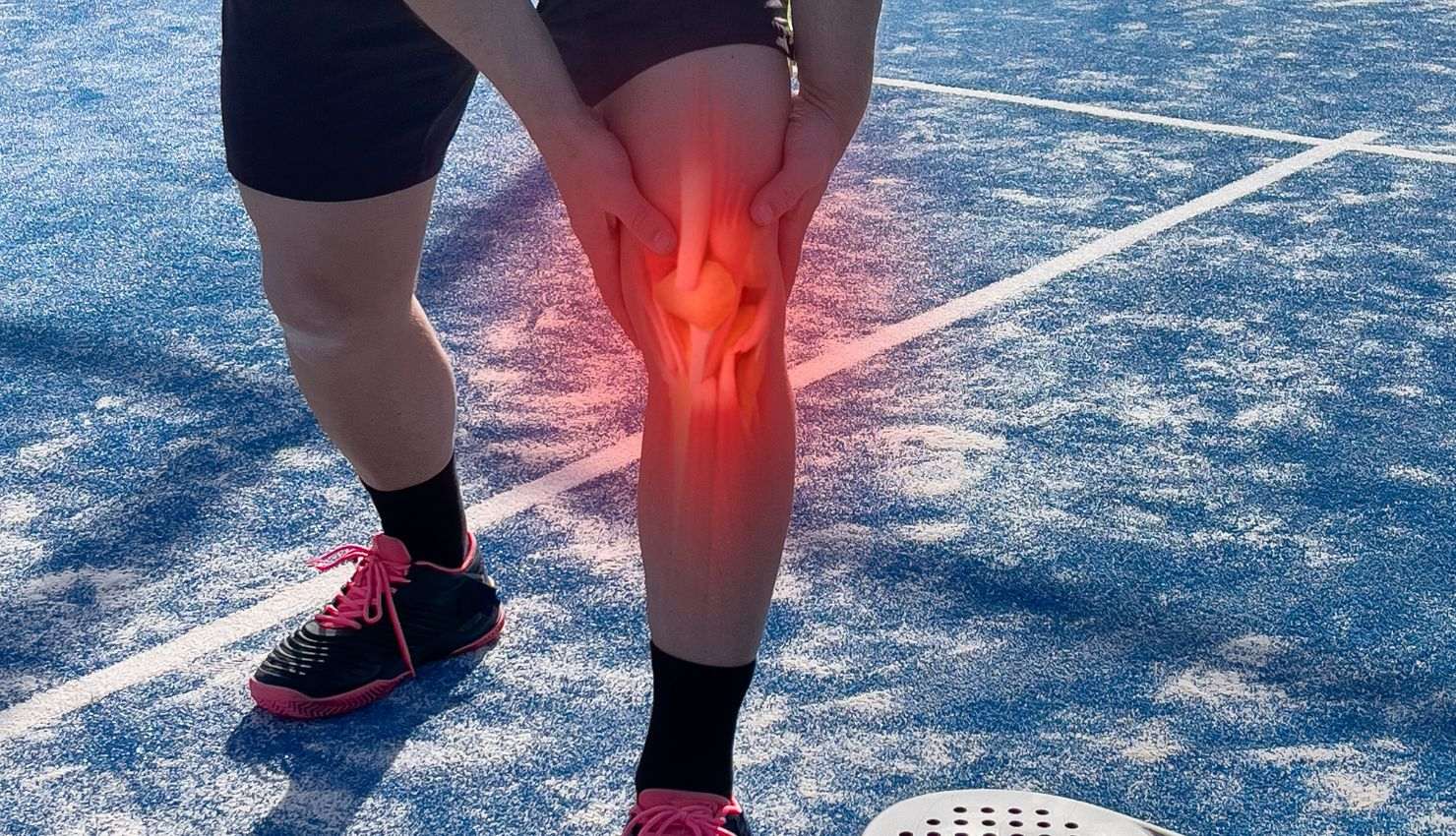
Repetitive Stress Injuries (RSIs), also known as repetitive strain injuries or overuse injuries, occur when muscles, tendons, ligaments, or nerves are repeatedly stressed over time. These injuries are often caused by repetitive movements, poor posture, or excessive force in everyday activities such as typing, lifting, or sports. Physiotherapy plays a critical role in treating RSIs by addressing pain, improving function, and preventing further injury. Heres how physiotherapists treat these types of injuries:
### 1. **Pain Management**
The first step in treating repetitive stress injuries is to manage pain and reduce inflammation. Physiotherapists use various techniques for this:
* **Cold Therapy**: Ice or cold compresses are applied to the affected area to reduce inflammation and numb pain. Cold therapy is often used immediately after the injury or during flare-ups to manage swelling.
* **Heat Therapy**: Once the acute inflammation subsides, heat therapy (e.g., hot packs or heating pads) can help relax muscles, improve circulation, and alleviate stiffness.
* **TENS (Transcutaneous Electrical Nerve Stimulation)**: This technique involves using electrical impulses to stimulate nerves, which can block pain signals and help manage chronic discomfort.
* **Ultrasound Therapy**: Physiotherapists may use ultrasound to promote healing by increasing blood flow, reducing inflammation, and promoting tissue repair.
### 2. **Rest and Activity Modification**
* **Rest**: Rest is crucial to allow the affected tissues to heal. Physiotherapists often recommend temporary rest from the repetitive activity that caused the injury, such as typing, lifting, or sports.
* **Activity Modification**: While complete rest may not always be necessary, physiotherapists guide patients on how to modify or reduce the intensity of the activity that caused the injury. For example, if someone is experiencing tennis elbow, a physiotherapist may advise changing the way they hold or swing the racquet.
* **Ergonomic Advice**: If the RSI is caused by poor posture or awkward work positions (e.g., sitting at a desk or using a computer), physiotherapists assess the individuals workspace and offer recommendations to optimize posture and reduce strain. This could include adjusting desk height, chair position, or hand placement.
### 3. **Stretching and Strengthening Exercises**
* **Stretching**: Physiotherapists teach specific stretches to improve flexibility in the muscles and tendons involved in the RSI. Stretching helps relieve tightness, increase blood flow, and prevent the muscles from becoming overly stiff. It is especially important for improving the range of motion in joints affected by overuse, such as the wrist, elbow, or shoulder.
* **Strengthening Exercises**: A key part of RSI rehabilitation is strengthening the muscles surrounding the affected area. Strengthening helps reduce strain on the tendons and ligaments by improving muscle support and resilience. For example, exercises that target the forearm muscles can help relieve and prevent tennis elbow. A physiotherapist will guide you through exercises that are appropriate for your injury, gradually increasing intensity as you improve.
* **Proprioception and Stabilization Exercises**: These exercises focus on improving the bodys awareness of its movements and positions, helping to prevent future injuries by correcting movement patterns that contribute to strain.
### 4. **Manual Therapy**
* **Soft Tissue Mobilization**: Physiotherapists use hands-on techniques such as deep tissue massage, myofascial release, or trigger point therapy to release muscle tightness and relieve pain in the affected areas. This can improve circulation, reduce muscle tension, and enhance tissue mobility.
* **Joint Mobilization**: If the RSI has led to joint stiffness, manual therapy may be used to restore normal movement in the affected joints. This is often combined with stretching techniques to improve flexibility and reduce pain.
* **Massage**: Therapeutic massage helps reduce muscle tension and improve blood flow, which can alleviate pain and promote healing of the damaged tissues.
### 5. **Correcting Posture and Movement Patterns**
Often, RSIs are caused or aggravated by poor posture or inefficient movement patterns. Physiotherapists focus on:
* **Postural Training**: Teaching patients how to maintain proper posture during daily activities, such as sitting, standing, and walking. This helps to avoid unnecessary strain on muscles and joints.
* **Biomechanical Assessment**: Physiotherapists assess the way you move during specific activities, like lifting or playing sports. They then suggest adjustments to movement techniques that will reduce stress on your body, whether it’s adjusting your body mechanics during typing, lifting, or sports movements.
* **Ergonomic Education**: Providing tips and advice on how to set up a more ergonomic workspace to avoid strain. This includes adjusting screen height, chair position, and taking frequent breaks to avoid long periods of static posture.
### 6. **Gradual Return to Activity**
Once the pain is under control and strength and flexibility have improved, physiotherapists help individuals gradually return to their normal activities. This ensures that they can perform tasks without reinjuring themselves:
* **Progressive Exercise Programs**: After the acute phase of the injury, physiotherapists will develop an exercise program that slowly increases intensity and activity level. This can include a combination of stretching, strengthening, and functional exercises.
* **Pacing**: Physiotherapists help patients learn how to pace their activities to avoid overexertion and reduce the risk of re-injury. They also encourage taking regular breaks during repetitive tasks to allow muscles and tendons time to rest and recover.
### 7. **Use of Supportive Devices**
* **Bracing or Splinting**: In some cases, physiotherapists recommend the use of braces, splints, or wraps to support the injured area and reduce movement that could further strain the affected muscles or tendons. For example, wrist splints are commonly used for carpal tunnel syndrome or tendinitis.
* **Kinesiology Taping**: This technique involves applying a special elastic tape to the skin to support muscles, joints, and tendons. It can reduce pain and swelling and provide support during movement, especially for injuries like tennis elbow or shoulder impingement.
### 8. **Education and Prevention**
Physiotherapists teach patients how to prevent future injuries by educating them on:
* **Proper Ergonomics**: How to set up their workstation, sit, stand, and perform activities in ways that reduce strain.
* **Warm-up and Cool-down**: The importance of warming up before exercise and cooling down afterward to prevent muscle tightness and overuse injuries.
* **Lifestyle Modifications**: Recommendations on lifestyle changes such as taking breaks during repetitive tasks, varying activities, and avoiding prolonged postures to reduce strain on the body.
### 9. **Addressing Underlying Conditions**
In some cases, RSIs are aggravated by underlying conditions such as poor flexibility, poor posture, or muscle imbalances. Physiotherapists address these issues through targeted exercises, manual therapy, and movement training to prevent re-injury and restore function.
### Conclusion
Physiotherapists take a holistic and individualized approach to treating repetitive stress injuries. By addressing pain, restoring function, improving posture and movement, and educating patients on how to prevent future injuries, physiotherapy plays a crucial role in both the recovery and long-term management of RSIs. With the right treatment, patients can reduce pain, enhance mobility, and return to their normal activities with reduced risk of reinjury.