Soft tissue injuries, such as sprains, strains, contusions, or tendonitis, are common and can cause significant pain and dysfunction. These injuries typically affect the muscles, tendons, ligaments, and fascia (the connective tissue surrounding muscles and organs).

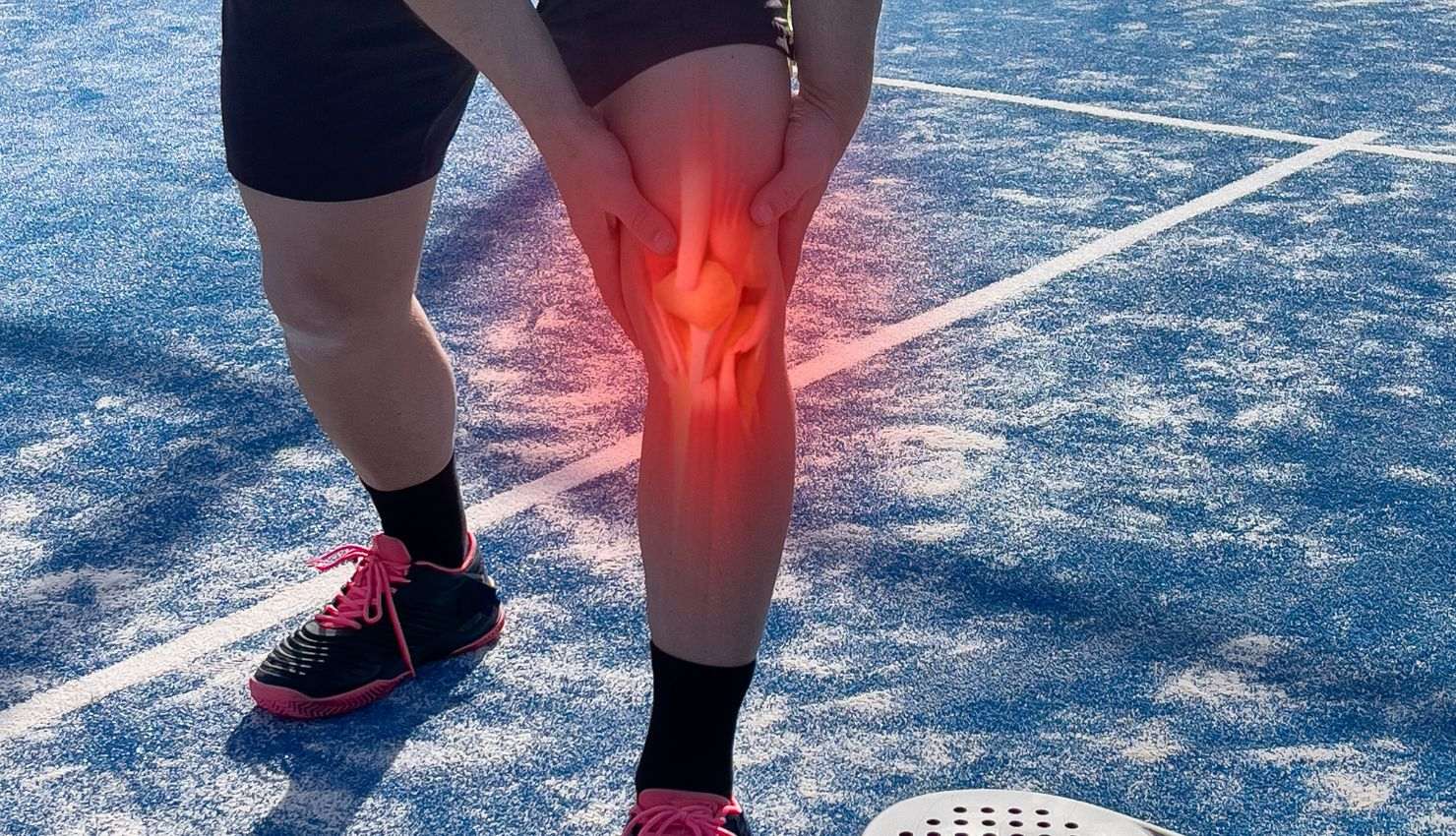
Soft tissue injuries, such as sprains, strains, contusions, or tendonitis, are common and can cause significant pain and dysfunction. These injuries typically affect the muscles, tendons, ligaments, and fascia (the connective tissue surrounding muscles and organs). Soft tissue injuries are often the result of overuse, direct trauma, or poor posture and movement patterns. While these injuries can be painful, physiotherapy offers a non-invasive, holistic approach to managing pain, promoting healing, and restoring function.
Heres how physiotherapists treat soft tissue injuries to provide pain relief and improve recovery:
### **1. Initial Assessment and Diagnosis**
Before starting treatment, a physiotherapist performs a thorough assessment to determine the severity of the soft tissue injury and the appropriate treatment approach.
#### **What Happens During the Assessment:**
* **Medical History**: The physiotherapist asks about the onset of pain, any history of previous injuries, and the activities or movements that caused or worsened the pain.
* **Physical Examination**: The physiotherapist evaluates the affected area to assess range of motion (ROM), muscle strength, flexibility, and tenderness. They may also check for signs of inflammation, bruising, or swelling.
* **Functional Assessment**: The therapist observes how the injury affects your ability to perform daily tasks or sports activities. This helps determine the impact of the injury on your function and sets goals for recovery.
Once the assessment is complete, the physiotherapist creates a personalized treatment plan aimed at relieving pain, reducing inflammation, and promoting healing.
—
### **2. Pain Relief and Inflammation Reduction**
In the early stages of a soft tissue injury, managing pain and reducing inflammation is essential to facilitate healing and restore function. Physiotherapists use a range of techniques to help control pain and inflammation.
#### **How Physiotherapists Manage Pain and Inflammation:**
* **Cold Therapy (Cryotherapy)**: Cold therapy is one of the most effective methods to reduce swelling and numb pain immediately after an injury. Ice or cold packs are applied to the affected area for 1520 minutes to constrict blood vessels and limit swelling and inflammation. This is especially effective for the first 48 hours after an injury.
* **Heat Therapy**: After the initial inflammation has subsided, heat therapy can be used to relax muscles and improve blood circulation. Heat helps soothe stiffness and discomfort caused by muscle tension and promotes healing in the soft tissues.
* **Transcutaneous Electrical Nerve Stimulation (TENS)**: TENS uses electrical impulses to block pain signals sent to the brain and stimulate the release of endorphins, the bodys natural painkillers. This is a non-invasive method to help manage soft tissue pain.
* **Ultrasound Therapy**: Therapeutic ultrasound uses sound waves to penetrate deep into tissues, promoting increased blood flow, reducing swelling, and stimulating tissue repair. It can help reduce pain and inflammation in deep tissues, such as muscles and tendons.
These modalities provide both immediate pain relief and long-term benefits by reducing swelling, relaxing muscles, and stimulating the bodys healing processes.
—
### **3. Manual Therapy for Soft Tissue Healing**
Manual therapy refers to hands-on techniques used by physiotherapists to manipulate muscles, joints, and soft tissues. This approach helps reduce pain, increase circulation, and promote tissue healing in areas affected by soft tissue injuries.
#### **How Manual Therapy Treats Soft Tissue Injuries:**
* **Soft Tissue Mobilization**: Physiotherapists use soft tissue mobilization techniques (such as massage or myofascial release) to break up adhesions and scar tissue that may form in the muscles or fascia after an injury. This helps reduce muscle tightness, improve flexibility, and alleviate pain.
* **Myofascial Release**: This technique targets the fascia (connective tissue) surrounding muscles to release tight areas (known as trigger points). Myofascial release reduces muscle spasms, improves blood flow, and restores normal tissue function.
* **Joint Mobilization**: For injuries that involve restricted joint movement (such as from ligament sprains or joint stiffness), physiotherapists use joint mobilizations to restore normal joint function and reduce pain. Mobilization involves gentle, controlled movements of the joints to improve their mobility.
* **Deep Tissue Massage**: Deep tissue massage focuses on the deeper layers of muscle and fascia to release tension, improve circulation, and reduce pain caused by muscle stiffness or tightness.
Manual therapy is highly effective for reducing muscle spasms, improving flexibility, and speeding up the healing process of soft tissues affected by injury.
—
### **4. Stretching and Range of Motion (ROM) Exercises**
After an injury, soft tissues often become tight or shortened, limiting range of motion (ROM) and contributing to pain. Physiotherapists incorporate stretching and ROM exercises to restore flexibility and improve joint mobility, allowing for pain-free movement.
#### **How Physiotherapists Use Stretching and ROM Exercises:**
* **Gentle Stretching**: Stretching exercises are gradually introduced to lengthen tight muscles and improve flexibility. Stretching can help reduce stiffness and prevent muscle tightness that contributes to pain, especially in the early stages of recovery.
* **Active and Passive ROM Exercises**: Physiotherapists may begin with passive ROM exercises, where they assist in moving the injured area to prevent stiffness. As healing progresses, active ROM exercises (where the patient moves the injured area) are introduced to further improve mobility and prevent muscle imbalances.
* **Progressive Flexibility Routines**: Once initial pain and inflammation are reduced, physiotherapists incorporate more dynamic stretching and ROM exercises that mirror daily movements or sport-specific activities. This ensures that the patient can return to their normal activities or sport without reinjuring the area.
By improving ROM and flexibility, physiotherapy reduces pain caused by muscle tightness and joint restrictions, promoting the healing of soft tissues.
—
### **5. Strengthening Exercises for Injury Prevention**
Weak muscles around the injured area can contribute to further strain and pain. Strengthening exercises are essential for rehabilitating soft tissue injuries and preventing future injury. Physiotherapists design programs that target weak or underactive muscles, helping to restore strength and stability to the affected area.
#### **How Strengthening Exercises Help with Soft Tissue Injuries:**
* **Targeted Muscle Strengthening**: Physiotherapists identify the muscles that are weak or imbalanced and prescribe targeted exercises to restore strength. For example, strengthening the muscles around the knee can reduce strain on the ligaments and tendons, preventing further injury.
* **Progressive Resistance**: Strengthening exercises are introduced gradually, starting with low-resistance exercises and progressing as the patients strength improves. This prevents overloading the injured tissues and ensures a safe recovery.
* **Functional Strengthening**: Physiotherapists design exercises that simulate functional movements, such as lifting, squatting, or bending, to restore strength and stability in the muscles that are necessary for daily activities or sports.
Strengthening the muscles around the injury site not only reduces pain but also protects the injured area from future strain and injury.
—
### **6. Education and Self-Management Strategies**
A key component of physiotherapy is patient education. Physiotherapists empower patients with the knowledge and tools to manage their injury and prevent recurrence. This involves teaching patients about posture, body mechanics, self-care strategies, and how to manage pain on their own.
#### **How Physiotherapists Educate Patients:**
* **Posture and Body Mechanics**: Physiotherapists educate patients on how to maintain proper posture and movement techniques during daily activities, such as lifting, walking, and sitting, to prevent stress on the injured area.
* **Self-Care Tips**: Physiotherapists provide advice on how to manage pain at home using methods like ice, heat, or rest. They also encourage the use of ergonomic tools to help reduce strain and prevent further injury.
* **Activity Modification**: If the injury was caused by overuse or repetitive movements, physiotherapists recommend modifications to daily activities or exercise routines to prevent further strain on the soft tissues.
By empowering patients with self-management strategies, physiotherapy helps ensure that individuals can manage their pain effectively and prevent future injuries.
—
### **7. Gradual Return to Activity and Sports**
Once the injury has healed sufficiently, physiotherapists help patients safely return to their regular activities and sports. This process is gradual to ensure that the tissues are fully recovered and that there is no risk of re-injury.
#### **How Physiotherapy Assists in Return-to-Activity:**
* **Progressive Activity Plans**: Physiotherapists create a step-by-step plan to help patients gradually return to their normal routine. This plan includes controlled exercises and activities to restore strength, flexibility, and endurance before resuming high-impact activities.
* **Sports-Specific Training**: For athletes, physiotherapists design sport-specific rehabilitation programs that help restore performance and functionality. These exercises simulate the movements and stresses involved in the sport to ensure a safe return to full activity.
* **Prevention of Future Injuries**: Once the patient is back to their activity or sport, physiotherapists continue to provide exercises and education on how to prevent future injuries, such as improving technique, posture, and warm-up routines.
Gradual reintegration into activity ensures that patients return to their normal routines safely, without risking re-injury or prolonging recovery.
—
### **Conclusion**
Physiotherapy is a highly effective approach for managing and treating soft tissue injuries, providing a combination of pain relief, manual therapy, strengthening exercises, flexibility training, and education. Physiotherapists play a crucial role in reducing pain, promoting healing, restoring function, and preventing future injuries. By addressing the root causes of pain and providing personalized rehabilitation plans, physiotherapy helps individuals recover from soft tissue injuries and return to their normal activities or sports with confidence.