Whether you’re a weekend warrior, a gym enthusiast, or a professional athlete, one thing’s for sure: sports injuries can stop you in your tracks. That nagging knee pain after a run? The sore shoulder from one too many serves? Yep that…

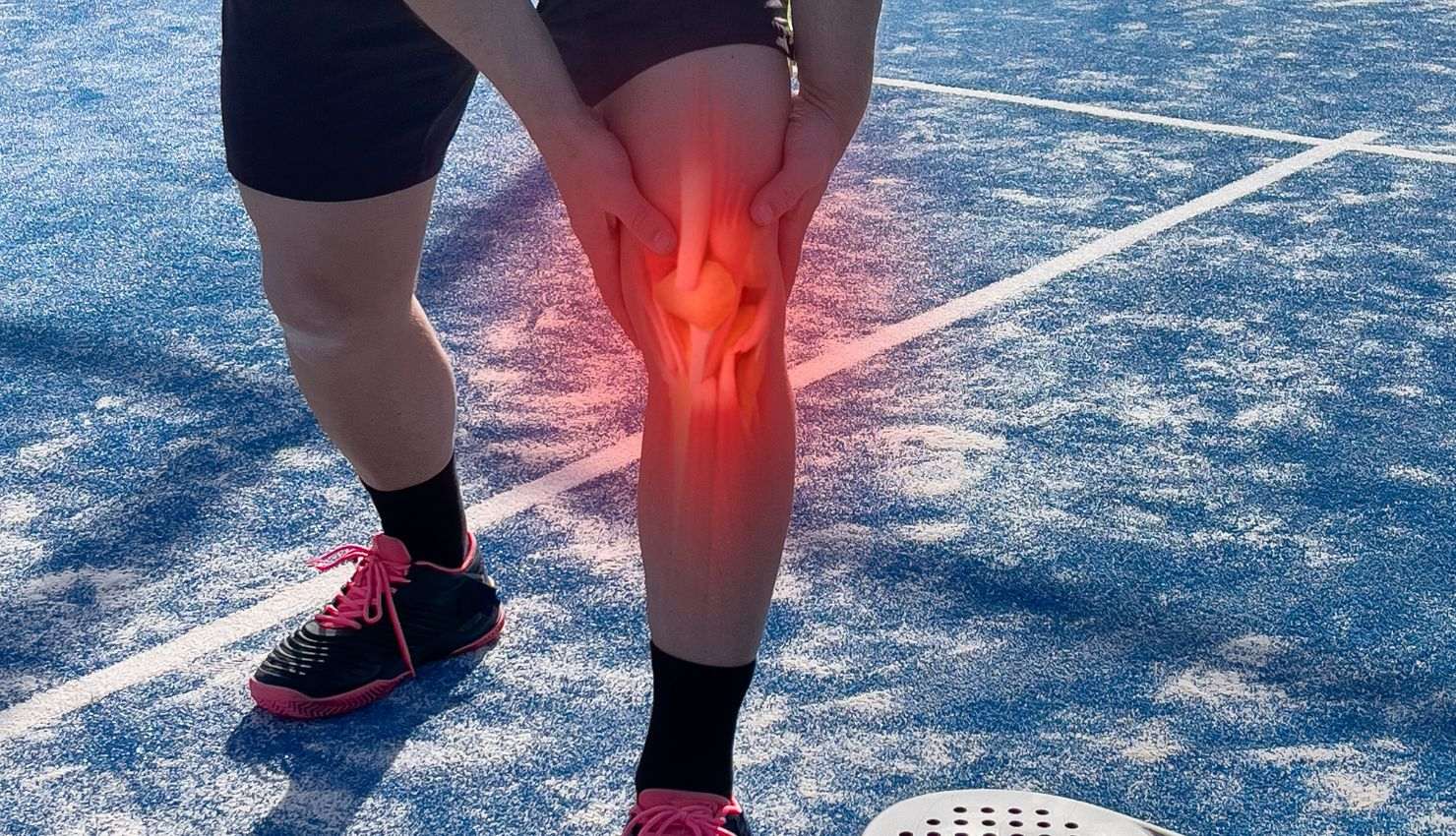
Whether you’re a weekend warrior, a gym enthusiast, or a professional athlete, one thing’s for sure: sports injuries can stop you in your tracks. That nagging knee pain after a run? The sore shoulder from one too many serves? Yep thats your body asking for help.
But here’s the good news: physiotherapy is one of the most effective ways to treat sports injuries and manage pain and it goes way beyond ice packs and rest.
Lets dive into how physiotherapy helps you recover, rebuild, and get back to doing what you love.
1. Immediate Injury Care & Pain Relief
When an injury first happens a pulled hamstring, a twisted ankle, or a strained back the first step is controlling pain and inflammation. Your physiotherapist will:
Assess the injury and pinpoint the exact problem
Use techniques like ice therapy, gentle compression, or electrotherapy
Start safe movements to reduce stiffness and swelling
?? Why this matters: Getting expert care early can prevent minor injuries from turning into long-term issues.
2. Customized Rehab Plans (No Cookie-Cutter Stuff!)
No two injuries or athletes are the same. A physiotherapist creates a personalized treatment plan based on your sport, body mechanics, and goals. This can include:
Targeted strengthening exercises
Mobility and flexibility training
Balance and proprioception work (super important for ankle/knee injuries!)
Its not just about healing the injured area its about getting your whole body back in sync.
3. Manual Therapy to Accelerate Recovery
Using hands-on techniques, physiotherapists can reduce pain and speed up healing by:
Releasing tight muscles or fascia
Mobilizing stiff joints
Breaking down scar tissue from older injuries
?? Manual therapy is especially helpful for athletes dealing with chronic tightness or restricted movement.
4. Biomechanical Analysis & Technique Correction
Ever wonder why that same injury keeps popping up? A physio can figure that out.
Using movement assessments, video analysis, or even gait studies, they identify any faulty mechanics like overstriding, poor posture, or muscle imbalances that may be putting unnecessary stress on your body.
Fixing these issues means:
Fewer injuries down the road
Improved performance
Less recurring pain
5. Pain Management Without Medications
Sports-related pain doesnt always need a pill. Physiotherapists offer natural, drug-free ways to manage pain, such as:
TENS (Transcutaneous Electrical Nerve Stimulation)
Dry needling or acupuncture
Ultrasound therapy
Taping techniques for support and relief
Plus, theyll teach you when to rest and when to push, which can be a game-changer in preventing flare-ups.
6. Return-to-Sport Planning
Getting back to your sport too soon is a recipe for re-injury. Physiotherapists create structured return-to-play plans, ensuring:
You regain full strength and range of motion
Your movement patterns are solid
Youre confident and mentally ready to return
????? From your first steps post-injury to your first game back physios are with you the whole way.
Final Whistle: Dont Just Rest Recover Right
Sports injuries are frustrating, no doubt about it. But with physiotherapy, you’re not just masking the pain you’re treating the root cause, building resilience, and coming back even stronger.
Whether you’re nursing a sore joint or aiming to prevent your next injury, physiotherapy offers the smart, safe, and effective path back to peak performance.
Want to bounce back faster and smarter? Reach out to a qualified physiotherapist and take control of your recovery today.