This type of pain shows up after an injury or physical trauma, and it can range from: Deep muscle aches Nerve pain (tingling, burning, numbness) Joint stiffness and immobility Pain with specific movements or weight-bearing Compensatory pain in other areas of the body Whats tricky is that even after the visible injuries heal, the pain …

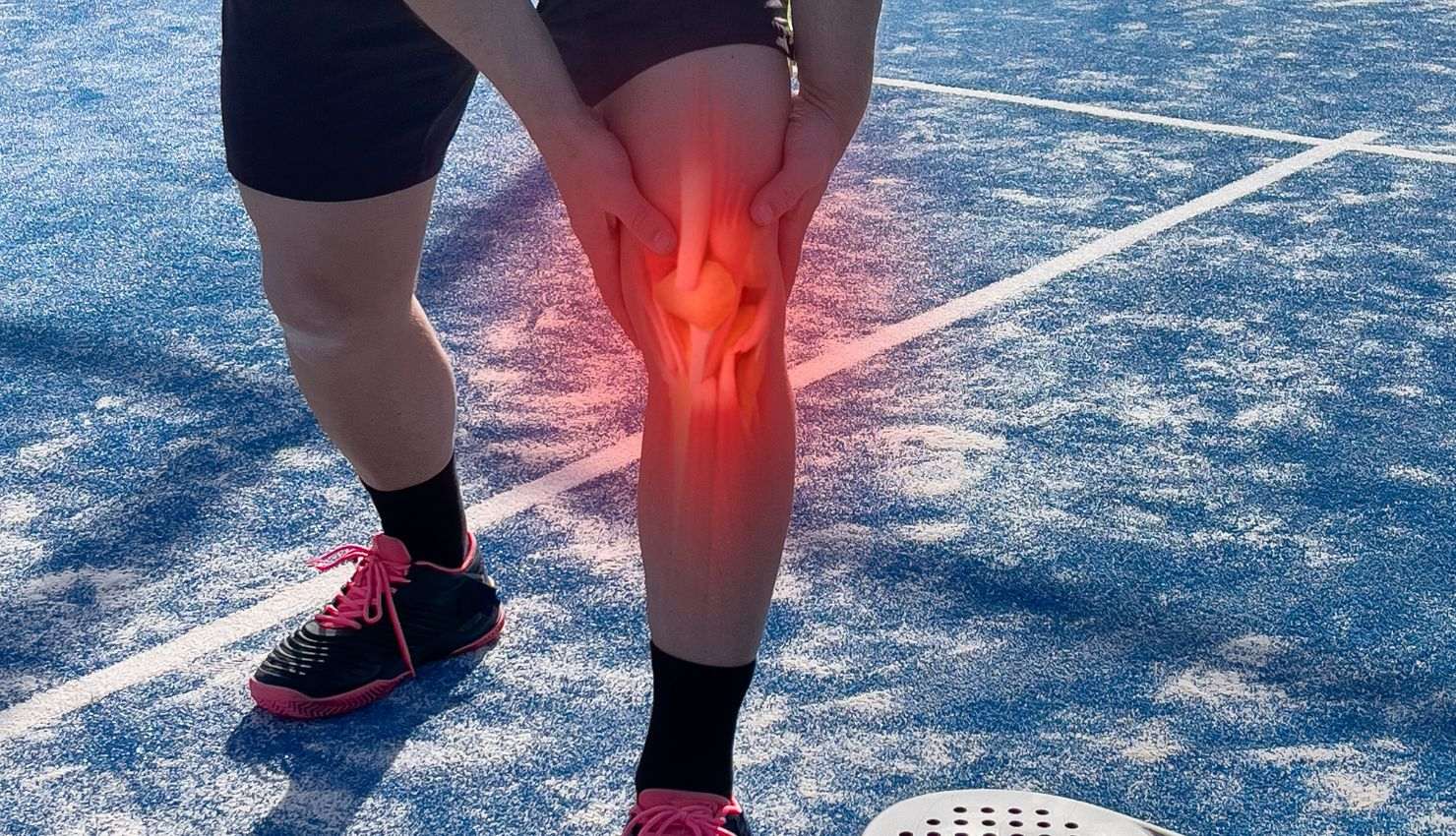
This type of pain shows up after an injury or physical trauma, and it can range from:
Deep muscle aches
Nerve pain (tingling, burning, numbness)
Joint stiffness and immobility
Pain with specific movements or weight-bearing
Compensatory pain in other areas of the body
Whats tricky is that even after the visible injuries heal, the pain can lingerbecause of muscle imbalances, scar tissue, nerve involvement, or guarding behaviors.
??? How Physiotherapy Helps with Post-Traumatic Pain
1. Full-Body Assessment
Physiotherapists dont just treat the area that hurts. Theyll assess:
Joint movement
Muscle function and tension
Nerve pathways
How your whole body is compensating
They get to the real source of the painnot just the symptoms.
2. Manual Therapy to Release Tension and Improve Mobility
Trauma often causes muscles to tighten and joints to stiffen. Physios use:
Soft tissue techniques to ease tight muscles
Joint mobilizations to restore movement
Scar tissue release to improve flexibility and reduce pain
Myofascial release for chronic post-traumatic tension
Its gentle, hands-on care that encourages the body to relax and realign.
3. Targeted Movement and Strengthening
After trauma, your body might guard the injured area. That can lead to weakness and further dysfunction. Physios guide you through:
Stability and control exercises
Progressive strength training for injured and supporting muscles
Corrective movements to rebuild coordination and balance
This not only relieves painit restores confidence in your body.
4. Nerve Pain Relief
If your trauma involved nerve compression, whiplash, or deep tissue damage, physiotherapy can help soothe irritated nerves with:
Neural gliding exercises
Gentle traction
TENS therapy (mild electrical stimulation)
Dry needling or acupuncture techniques
These methods reduce nerve hypersensitivity and support long-term healing.
5. Customized Home Exercise Programs
One of the biggest benefits of physiotherapy? Youre not just recovering in the clinicyoure learning how to help yourself at home with:
Stretching routines
Strength-building exercises
Pain-relief movements
Posture corrections and ergonomics
Its all designed to keep your recovery moving forward between sessions.
6. Emotional and Psychological Support Through Movement
Trauma isnt just physicalit can leave behind mental and emotional stress too. Physiotherapy provides:
A safe, structured space to rebuild trust in your body
Gentle, progressive exposure to movement
Tools to manage flare-ups and reduce fear around pain
Youre not just healing your bodyyoure rebuilding your independence.
? When Should You Start?
The answer? As soon as its safe. Even in the early stages of healing, a physiotherapist can help:
Improve circulation
Reduce swelling
Prevent stiffness
Begin light, pain-free movements
Early intervention = better outcomes and less chance of long-term pain.
? Final Takeaway
Post-traumatic pain can feel overwhelmingbut with physiotherapy, recovery becomes a guided, structured journey. Youre not navigating it alone. Physiotherapists help you heal, strengthen, and move forwardstep by stepwith less pain and more freedom.