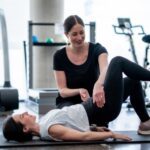
How Physiotherapy and Movement Therapy Improve Mental Health Symptoms brings new meaning to proactive care. Tap into fresh strategies that promote movement and strength.


Mental health struggles are complex, multifaceted, and deeply personal. While talk therapy and medication are widely recognized forms of treatment, theres an essential component of healing that often goes overlooked: the body. At YourFormSux (YFS), we specialize in integrating physiotherapy and movement therapy to help address not only physical challenges but also the emotional and psychological symptoms that accompany mental health conditions.
Movement is more than exerciseits a therapeutic tool. Through physiotherapy-guided motion, individuals can relieve tension, process emotions, and improve symptoms of anxiety, depression, trauma, and stress in a safe and effective way.
The Link Between Physical and Mental Symptoms
Mental health challenges manifest physically. Anxiety often causes tightness in the chest, racing heartbeat, and restlessness. Depression may present as fatigue, stiffness, or slowed movement. Trauma can be stored in the body as chronic tension or pain.
Physiotherapy provides a pathway to relieve these physical symptoms while also supporting emotional regulation. At YFS, we design movement therapy sessions that are gentle, intentional, and focused on aligning both the physical body and the emotional state.
Addressing Anxiety Through Movement
Anxiety involves hyperactivity of the nervous system. The body remains in a prolonged fight-or-flight state, leading to overactive muscles, shallow breathing, and reduced ability to focus or relax. Movement therapy helps calm the nervous system by activating the parasympathetic responsewhat we often call the rest and digest mode.
Our YFS physiotherapists use targeted breathwork, stretching, and gentle motion to slow heart rate, ease muscular tension, and restore a sense of calm. These techniques are especially helpful for individuals with generalized anxiety, panic disorder, or social anxiety.
Easing Depression with Structured Activity
Depression is often marked by low energy, disrupted sleep, reduced motivation, and difficulty engaging in everyday tasks. Movement therapy offers a low-pressure, supportive way to reintroduce activity into daily life. Even small physical actions can activate the release of mood-enhancing neurotransmitters such as serotonin and dopamine.
At YFS, we focus on consistency and compassion. Our physiotherapists work with each individual to build manageable routines that spark momentum and support recovery from mental and emotional numbness.
Supporting Trauma Recovery with Safe, Guided Motion
Trauma can live in the body long after an event is over. Survivors often experience hypervigilance, dissociation, or chronic pain. Movement therapy, particularly when grounded in trauma-informed physiotherapy, offers a safe way to reconnect with the body and begin releasing these patterns.
We approach trauma recovery at YFS with great care. Movement sessions emphasize safety, consent, and control. Clients gradually develop the ability to feel present in their bodies again, which is a vital step in healing from deep emotional wounds.
Improving Sleep and Reducing Restlessness
Mental health symptoms frequently disrupt sleep patterns. Insomnia, nightmares, and interrupted rest are common among individuals dealing with anxiety or depression. Movement therapy supports better sleep by reducing physical agitation, lowering stress hormones, and preparing the body for rest.
YFS movement routines are often customized to help clients transition from high-stress states to restful ones. Clients report improved sleep quality and decreased night-time anxiety within weeks of beginning regular physiotherapy sessions.
Enhancing Focus and Reducing Brain Fog
Poor mental health can impair concentration, memory, and executive function. Movement therapy boosts brain function by increasing blood flow, oxygen delivery, and neural connectivity. This leads to improved mental clarity and sharper cognitive performance.
At YFS, we combine mobility work with posture correction and breath awareness to improve oxygen flow and spinal alignmenttwo physical factors that directly influence cognitive clarity and focus.
Rebuilding Emotional Awareness and Regulation
One of the most empowering benefits of movement therapy is the development of emotional awareness. Through guided motion and somatic feedback, clients learn to recognize emotional patterns in the body. This builds emotional literacy and helps individuals respond to their feelings with greater clarity and control.
YFS physiotherapy sessions often include mindfulness-based exercises that enhance this body-mind connection. As clients learn to identify tension before it becomes overwhelm, they also become more capable of regulating their emotional responses.
Long-Term Mental Health Support Through Movement
Mental health healing is not a one-time eventits an ongoing journey. Movement therapy offers long-term support by providing structure, building resilience, and promoting self-care. It reinforces daily routines that enhance well-being and reduces the need for constant crisis intervention.
We support our YFS clients in making movement a foundational part of their wellness routine. This consistency helps reduce symptom severity over time and creates a more stable emotional landscape.
The YFS Difference in Mental Health Support
At YFS, we go beyond traditional physiotherapy. We provide whole-person care that considers how mental, physical, and emotional health are deeply connected. Our tailored programs meet each client where they are, with compassion, expertise, and a clear path forward.
Whether you’re struggling with anxiety, depression, PTSD, or burnout, movement therapy can be your ally. Our mission is to help you move through painemotionally and physicallytoward a life of resilience and wellness.
Conclusion: A Holistic Approach to Healing
You dont have to choose between emotional support and physical care. With physiotherapy and movement therapy at YFS, you can have both. Our programs are designed to relieve the mental health symptoms that weigh you down and help you reclaim controlone movement at a time.