If you’ve recently been in an accident whether it’s a car crash, a slip and fall, or a sports injury you’re probably dealing with more than just the initial shock. Pain, stiffness, and limited mobility can linger long after the incident, disrupting your daily life.

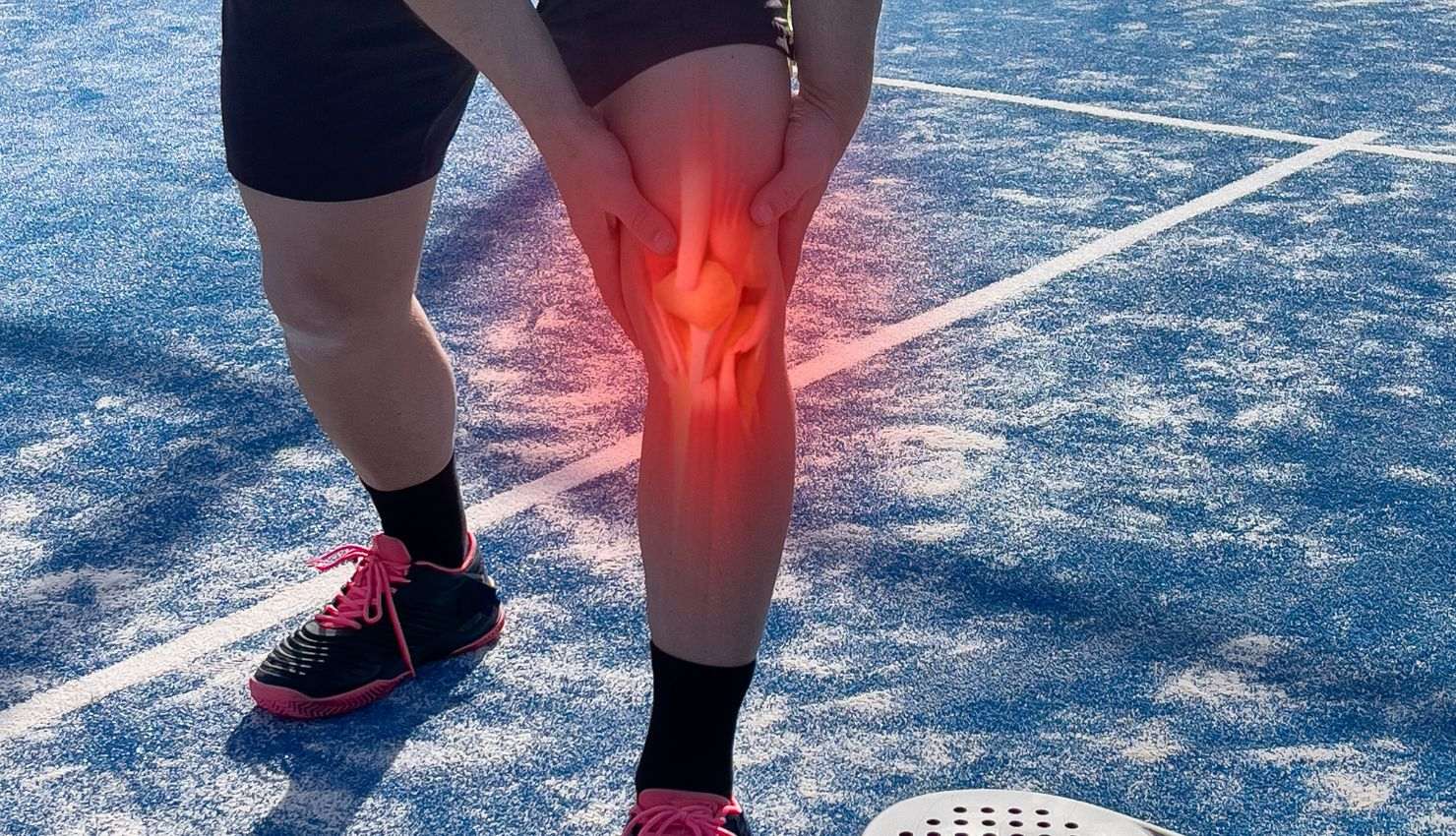
If you’ve recently been in an accident whether it’s a car crash, a slip and fall, or a sports injury you’re probably dealing with more than just the initial shock. Pain, stiffness, and limited mobility can linger long after the incident, disrupting your daily life. Thats where physiotherapy steps in as a game-changer.
Lets talk about how physiotherapy can help ease your pain, restore movement, and get you back to feeling like yourself again.
1. Immediate Focus on Reducing Pain and Swelling
Right after an accident, your body goes into protective mode. Swelling, inflammation, and muscle guarding are your bodys natural responses but they can make your pain worse if not addressed properly.
Physiotherapists use a variety of techniques like:
Ice/heat therapy
Manual therapy (gentle hands-on manipulation)
Electrical stimulation (TENS machines)
Ultrasound therapy
These methods are designed to reduce inflammation and calm irritated nerves, making it easier for your body to begin healing and giving you much-needed pain relief.
2. Targeted Exercises to Rebuild Strength and Flexibility
After an accident, it’s common to feel stiff or weak, especially in the injured area. But rest alone isnt enough. In fact, too much rest can cause muscles to weaken and joints to stiffen even more.
Thats why physiotherapists create personalized exercise plans tailored to your injury. These movements are gentle at first, gradually increasing in intensity as your body gets stronger. Over time, these exercises:
Improve flexibility and joint mobility
Rebuild muscle strength
Enhance balance and coordination
Prevent re-injury
And best of all? These exercises are designed with pain relief in mind. By moving the right way, at the right time, you actually help your body recover faster and more comfortably.
3. Manual Therapy for Muscle and Joint Relief
Lets be honest sometimes, after an accident, it just feels like everything hurts. Whether its sore muscles, stiff joints, or nagging back pain, manual therapy (a core part of physiotherapy) can bring major relief.
Manual therapy may include:
Massage techniques
Joint mobilizations
Trigger point release
These hands-on methods help reduce tension, increase circulation, and promote natural healing. It’s like hitting the reset button for your body and it feels amazing.
4. Re-Education for Better Movement and Posture
Accidents can throw your body out of alignment. You might unconsciously adjust your posture or walk differently to avoid pain but that can create new issues in the long run.
Physiotherapists help you re-learn how to move properly with:
Postural training
Gait analysis and correction
Ergonomic advice for work and daily life
By correcting your movement patterns, youll not only feel less pain youll also lower the risk of future injuries.
5. Long-Term Pain Management and Support
Physiotherapy isnt just a short-term fix. It offers long-term solutions for managing chronic pain that can follow an accident. Whether its whiplash, lower back pain, or lingering knee discomfort, a physiotherapist is your partner in recovery.
Theyll guide you through:
Ongoing treatment plans
At-home exercise routines
Lifestyle adjustments for continued pain relief
Youre not just surviving the aftermath of an accident youre thriving through it, with expert support every step of the way.
In a Nutshell
Physiotherapy is more than just stretching and exercises its a comprehensive, hands-on approach to pain relief and healing after an accident. Whether youre recovering from a minor bump or a major injury, physiotherapy helps you:
Relieve pain
Regain strength
Restore movement
Rebuild confidence
So, if pain is slowing you down after an accident, dont wait. Reach out to a licensed physiotherapist and take the first step toward feeling better because your recovery starts with the right support.