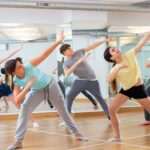
How Physiotherapy Can Enhance a Dancers Flexibility and Performance explores targeted strategies for recovery. Discover new paths to mobility, healing, and personalized care.


Dancers rely on a unique combination of strength, flexibility, balance, and coordination to perform at high levels. Physiotherapy, especially when tailored for dancers, plays a crucial role in optimizing physical function, preventing injury, and enhancing overall performance. Through a mix of manual therapy, corrective exercises, movement training, and flexibility techniques, physiotherapists help dancers move with greater precision, control, and ease.
?? Why Dancers Need Physiotherapy
Due to the repetitive and high-demand nature of dance, performers are at risk for:
Overuse injuries (e.g., tendinopathies, stress fractures)
Joint hypermobility complications
Muscle imbalances
Poor alignment or posture
Limited or unstable range of motion
A specialized physiotherapy program addresses these issues while boosting key performance attributes.
?? Benefits of Physiotherapy for Dancers
Goal Physiotherapy Approach
Enhance flexibility safely Soft tissue mobilization, active-assisted stretching, and proprioceptive training
Improve joint alignment and posture Postural retraining and muscle balance correction
Prevent injuries Functional screening, correction of technique flaws, prehabilitation
Boost strength and stability Core and joint stabilization exercises, neuromuscular control
Accelerate recovery Manual therapy, ice/heat, and progressive movement reintroduction
Optimize performance Sport-specific drills and dynamic movement integration
????? Flexibility Enhancement Techniques
Dancers require both passive and active flexibility. Physiotherapists use these methods to improve both safely:
1. Dynamic Stretching
Prepares muscles for movement with controlled, rhythmic motions
Examples: leg swings, spinal rolls, arm circles
2. PNF Stretching (Proprioceptive Neuromuscular Facilitation)
Involves contracting and relaxing muscles to increase range
Common for hamstrings, hip flexors, and calves
3. Myofascial Release and Soft Tissue Mobilization
Hands-on techniques to release muscle knots and fascia restrictions
May include foam rolling, cupping, or massage
4. Joint Mobilization
Gentle techniques to improve joint play and range, especially in the hips and spine
5. Active Flexibility Training
Emphasizes control at end range using strength to hold positions (e.g., arabesque holds)
?????? Performance-Boosting Physiotherapy Exercises
Target Area Exercise Benefit
Core & Pelvic Floor Pilates roll-downs, dead bugs, bridges Enhances control, balance, posture
Hips & Turnout Clamshells, banded turnout holds, relevé control Builds turnout safely and stably
Ankles & Feet Theraband foot exercises, toe doming, calf raises Improves point, balance, and power
Spine & Back Thoracic mobility drills, dancers cat-cow Increases flow, posture, and grace
Shoulders & Arms Scapular stabilizers, resistance band presses Aids port de bras control
?? Injury Prevention Strategies
Movement screening to identify dysfunctional patterns
Corrective exercises based on dance-specific biomechanics
Education on warm-up, recovery, and cross-training
Load management to avoid overtraining injuries
?? Mind-Body Techniques
Breath training for rhythm and core engagement
Motor imagery and proprioceptive feedback to refine technique
Balance and body awareness work (e.g., BOSU or wobble board drills)
?? Summary
Physiotherapy for dancers is not just about injury treatmentits a proactive tool for enhancing flexibility, control, and peak performance. With a focus on movement quality, alignment, and strength integration, physiotherapists help dancers:
Move more freely and fluidly
Reduce the risk of injury
Perform complex movements with greater confidence
Maintain longevity in their careers