How Physiotherapy Can Help Dancers Avoid Hip Injuries explores targeted strategies for recovery. Discover new paths to mobility, healing, and personalized care.

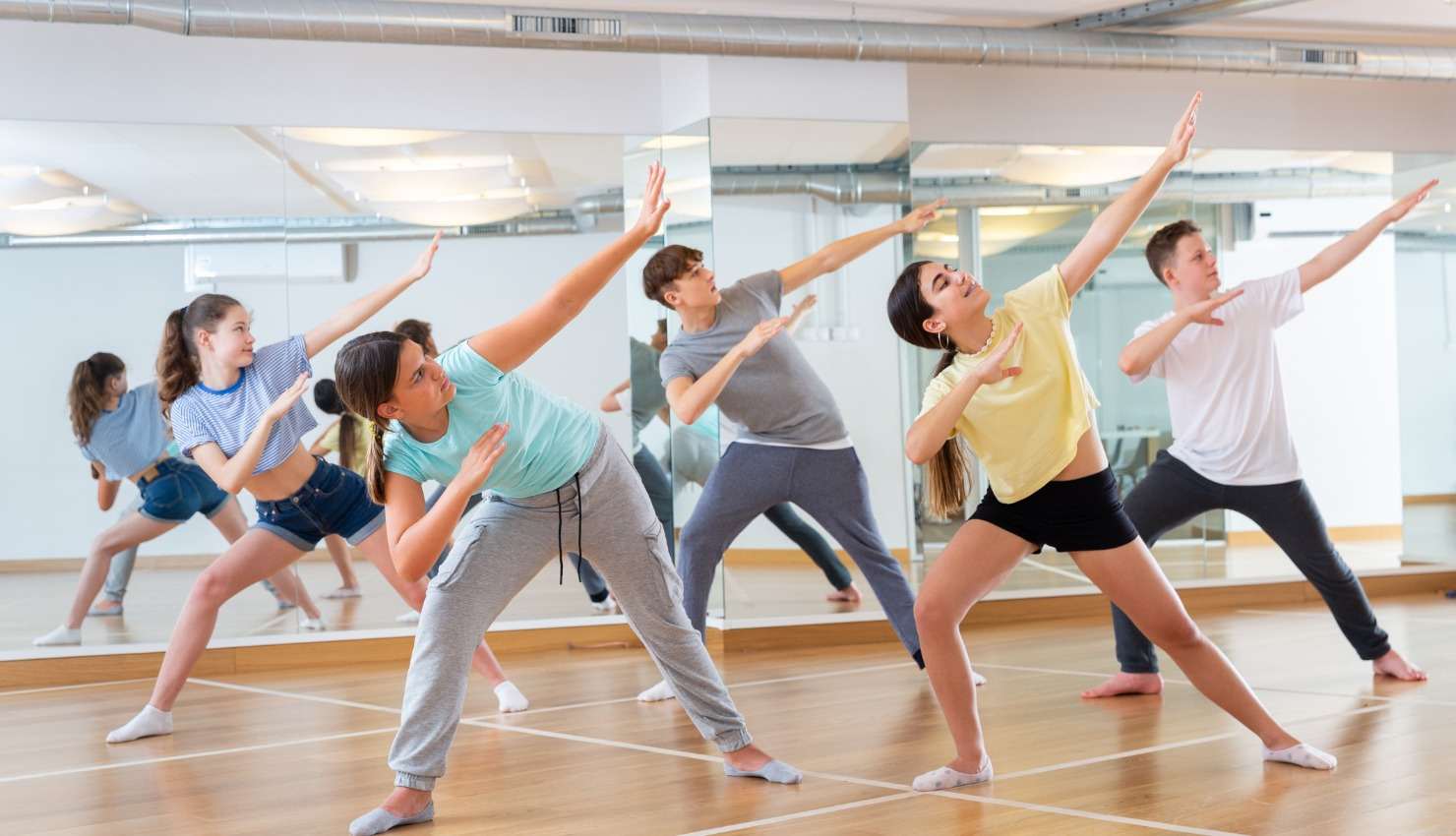
The hips are central to a dancers movementproviding strength, flexibility, and rotation in everything from pliés to grand battements. But the same demands that make dance beautiful also make the hip joint vulnerable to overuse, strain, and structural damage. Fortunately, physiotherapy offers a powerful solution to prevent hip injuries before they start.
Heres how physiotherapy can help dancers protect and preserve their hips for long, pain-free careers:
?? 1. Addressing Turnout Mechanics
Many hip injuries stem from forcing turnoutrotating from the knees or ankles instead of the hips. This can lead to impingement, labral tears, and joint stress.
Physiotherapists assess:
Natural hip rotation range
Compensations in the knees, ankles, or pelvis
Alignment during standing and dynamic movements
They then guide dancers to:
Improve turnout from the hip joint
Strengthen deep hip rotators
Reduce strain through proper posture and alignment
? Benefit: Turnout becomes safer, more efficient, and less likely to overload the hips.
?? 2. Strengthening the Deep Stabilizers
Weakness in the hip stabilizersespecially the gluteus medius, gluteus minimus, and deep external rotatorscan result in poor joint control during movement.
Physiotherapists prescribe:
Targeted exercises to strengthen hip stabilizers
Single-leg balance and control drills
Core integration to support pelvic stability
? Benefit: Improved control in passé, développé, and landing from jumps with reduced joint strain.
?? 3. Optimizing Flexibility Without Overstretching
Dancers often overstretch the hip flexors, hamstrings, or adductors without the muscular control to support them. This can lead to instability or strain, especially during extreme ranges of motion.
Physiotherapists help:
Create a balance between flexibility and control
Use dynamic mobility rather than passive overstretching
Build strength through the full range of motion
? Benefit: Increased mobility with supportideal for high extensions and safe splits.
?? 4. Early Detection of Overuse Symptoms
Common hip injuries in dancers include:
Hip flexor tendinopathy
Snapping hip syndrome
Labral tears
Femoroacetabular impingement (FAI)
Sacroiliac joint dysfunction
Physiotherapists can spot early signs like:
Clicking or snapping in the hip
Pain after turnout or deep flexion
Tightness that doesnt ease with stretching
? Benefit: Injuries are addressed at the earliest stagebefore they become chronic.
?? 5. Retraining Technique Through Movement Analysis
Using video feedback, hands-on assessments, and corrective cueing, physiotherapists help dancers:
Improve turnout and pelvic placement
Refine alignment during hip-heavy moves
Avoid excessive lumbar extension or pelvic tilting
? Benefit: Technique becomes not only more precise but also safer for the joints.
?? 6. Cross-Training and Recovery Planning
Physiotherapists support dancers with:
Cross-training programs that strengthen underused muscles
Recovery plans that manage training load
Stretching routines that support rather than weaken the hips
? Benefit: Balanced development and reduced wear-and-tear over time.