How Physiotherapy Can Help Dancers Improve Their Posture and Alignment explores targeted strategies for recovery. Discover new paths to mobility, healing, and personalized care.

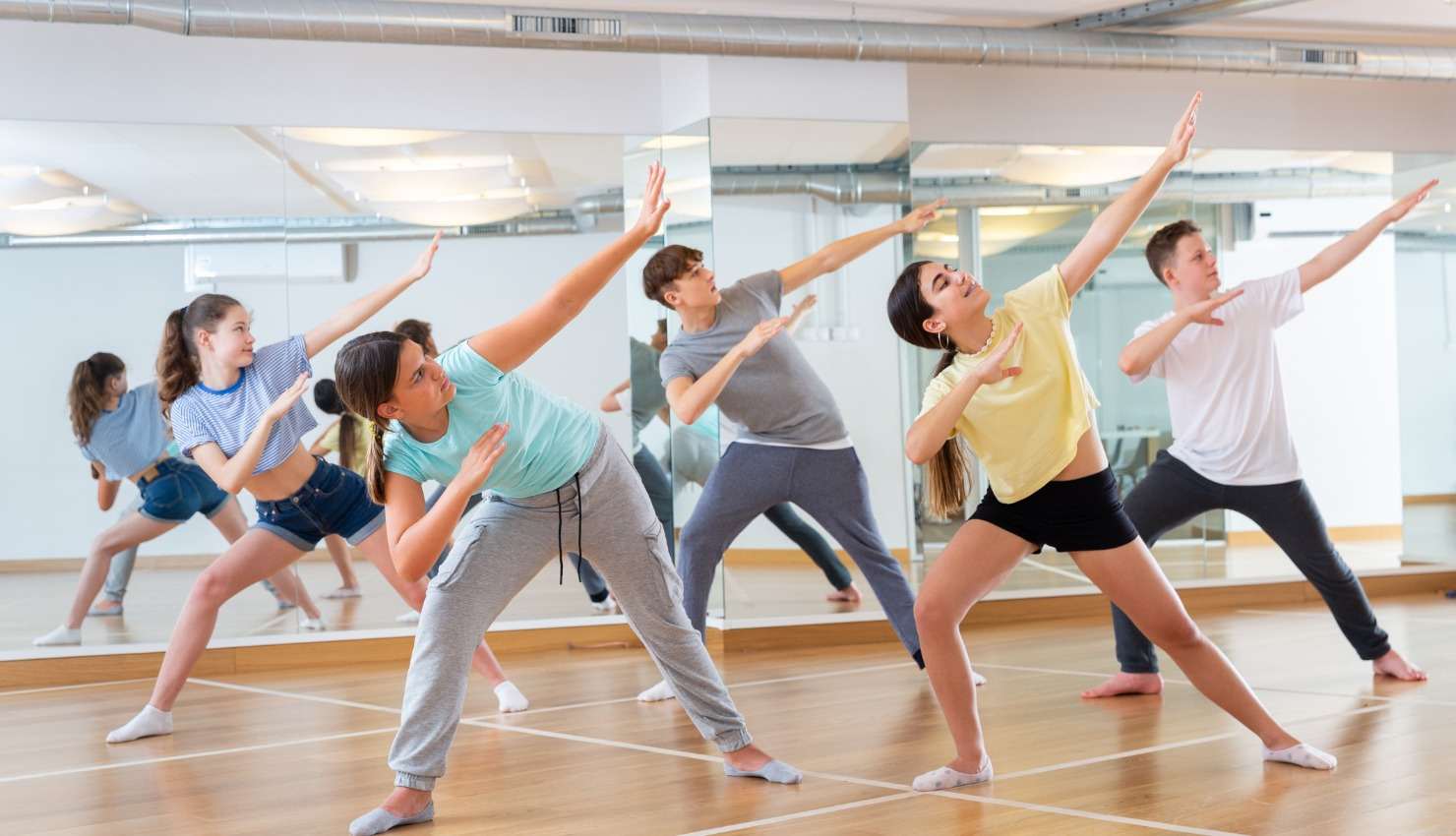
Proper posture and alignment:
Allow for optimal joint function and muscle engagement
Reduce strain on muscles, tendons, and ligaments
Improve balance, turnout, and extension
Enhance control, fluidity, and stamina
Prevent common injuries (e.g., shin splints, tendinitis, lower back pain)
????? In dance, good posture is not staticit’s dynamic and alive with intention.
?? How Physiotherapy Improves Dancer Posture and Alignment
? 1. Postural and Movement Assessment
Physiotherapists start with a detailed evaluation:
Head, shoulder, spine, hip, knee, and ankle alignment
Static and dynamic posture (standing, walking, dancing)
Muscle imbalances and compensation patterns
Range of motion, control, and symmetry
?? This creates a map of your bodys strengths, weaknesses, and postural habits.
? 2. Targeted Strengthening and Core Stabilization
Many alignment issues stem from muscular weakness or poor control. Physiotherapy programs may include:
Core activation (transverse abdominis, multifidus)
Scapular stabilizers (for shoulder and upper body posture)
Glute strengthening (to support hip alignment and turnout)
Deep neck flexors (for head and cervical spine posture)
?? Strong stabilizers create a solid base for beautiful, efficient movement.
? 3. Flexibility and Mobility Training
Tight or restricted muscles can pull joints out of alignment. Physiotherapists use:
Dynamic and passive stretching
Myofascial release and soft tissue techniques
Joint mobilizations
Functional mobility drills
?? Balance is keyflexibility must be paired with control.
? 4. Corrective Exercise for Movement Re-education
To reinforce healthy movement patterns, physiotherapy incorporates:
Functional exercises with alignment cues
Mirror work and video feedback
Proprioceptive and balance training
Neuromuscular re-patterning
?? Learning to move correctly builds muscle memory for better posture in performance.
? 5. Breath and Ribcage Mechanics
Breathing and posture are closely linked. Physiotherapy helps dancers:
Integrate diaphragmatic breathing
Improve ribcage expansion and alignment
Reduce chest tightness and upper trapezius dominance
??? Better breath = better posture and endurance.
? 6. Foot and Ankle Alignment Correction
The foundation of posture begins at the feet. Physiotherapists address:
Arch support and foot mechanics
Ankle stability and proprioception
Weight distribution through the foot
Turnout technique from the hipsnot knees or feet
?? Strong, aligned feet ground the entire body in every movement.
? 7. Education and Habit Awareness
Finally, physiotherapists help dancers become more aware of:
Daily posture (standing, walking, sitting)
Transitions between movements
How fatigue affects alignment
How to self-correct during class or rehearsal
?? Body awareness is a dancers greatest tool.
?? Posture Issues Physiotherapy Can Address
Forward head posture
Rounded shoulders
Anterior pelvic tilt
Sway back or flat back
Hyperlordosis or scoliosis
Uneven hip or shoulder levels
Collapsing arches or pronation