How Physiotherapy Can Help Improve Your Dance Technique explores targeted strategies for recovery. Discover new paths to mobility, healing, and personalized care.

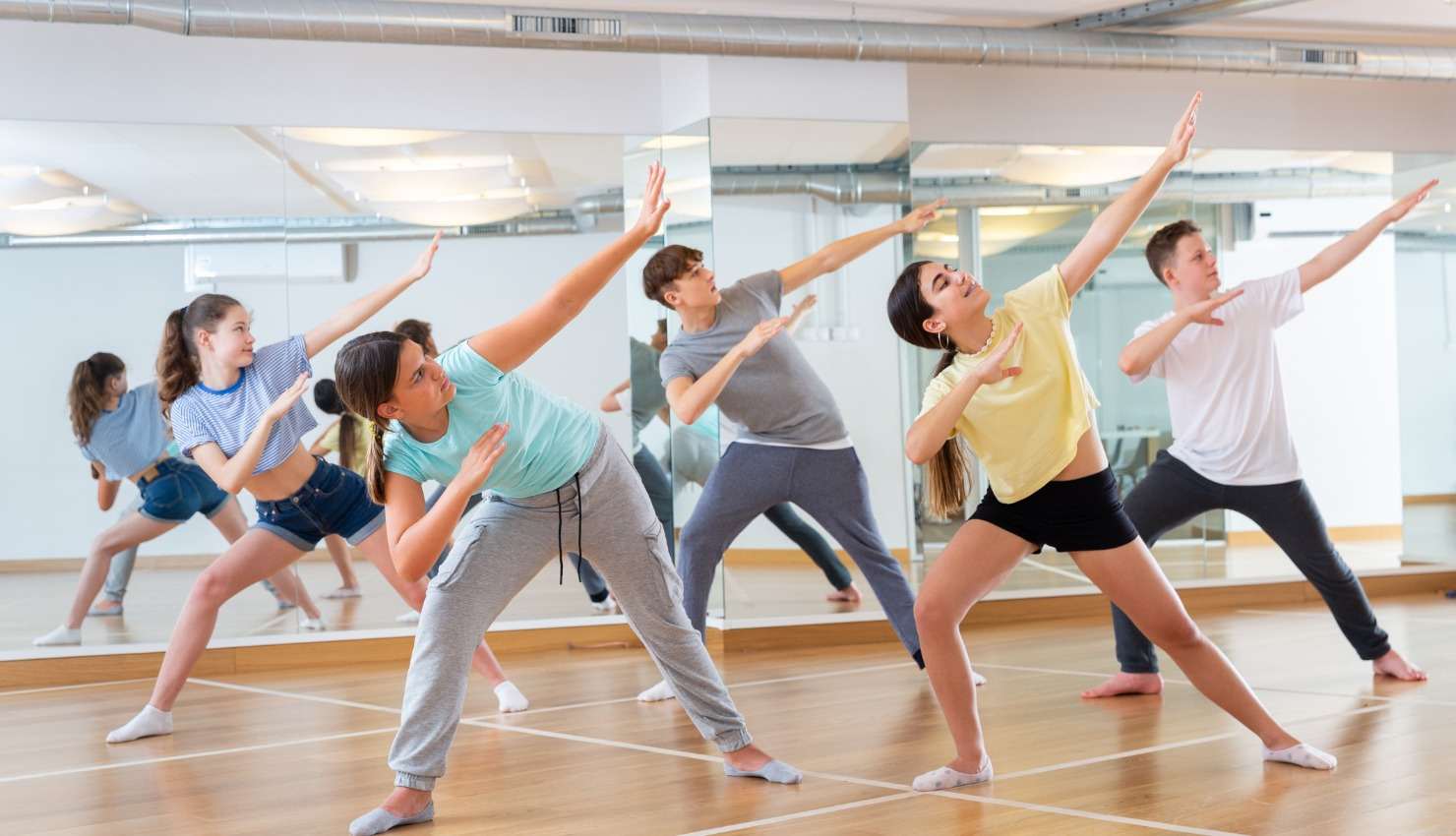
Dancing is an incredible form of self-expression, combining strength, grace, and coordination. Whether youre perfecting a pirouette in ballet, executing intricate footwork in contemporary dance, or simply learning new moves, the demands on your body are significant. Over time, repetitive motions, poor posture, and muscular imbalances can negatively affect your dance technique and performance. This is where physiotherapy can make a transformative difference.
Physiotherapy is not just for injury recovery; its an essential tool for improving movement efficiency, enhancing flexibility, building strength, and optimizing overall dance technique. In this blog, we will explore how physiotherapy can elevate your dancing and help you reach your full potential.
Understanding the Connection Between Physiotherapy and Dance
Dance is a highly technical discipline that requires flexibility, strength, balance, and endurance. Dancers often push their bodies to the limit, performing repetitive movements that can lead to muscle tightness, joint misalignment, and posture issues. Without proper care, these factors can not only cause discomfort but also affect the quality of a dancer’s performance.
Physiotherapists specialize in movement, biomechanics, and rehabilitation, making them uniquely suited to help dancers address these challenges. Through a combination of manual therapy, corrective exercises, and body awareness training, physiotherapy helps dancers improve posture, alignment, and muscle function, all of which are critical for executing precise and fluid movements.
Correcting Postural Issues for Better Alignment
Posture plays a pivotal role in dance technique. Proper alignment ensures that the body is in the optimal position to perform movements efficiently and without unnecessary strain. Many dancers, especially those who practice frequently, develop postural imbalances that can affect their performance. For example, poor posture can lead to hip misalignment, rounded shoulders, or an overarched lower back.
A physiotherapist can assess your posture and identify any misalignments that may be hindering your technique. Once issues are identified, they will recommend targeted exercises and adjustments to correct them. Improved posture not only helps prevent injuries but also enables more graceful and controlled movements, as a dancer will be able to use their muscles more effectively during performance.
Enhancing Flexibility for Greater Movement Range
Flexibility is an essential component of dance technique, allowing dancers to execute fluid, expressive movements, such as high kicks or deep lunges. Tight muscles and limited range of motion, however, can restrict these movements, making it difficult for dancers to perform at their best.
Physiotherapy addresses flexibility issues by focusing on both stretching and strengthening muscles. A physiotherapist will work with you on dynamic stretching techniques, which are particularly beneficial for dancers as they enhance mobility while also warming up the body. They will also help you focus on stretching underused or tight muscles and guide you through specific exercises to improve range of motion.
The result is increased flexibility that enhances your ability to perform complex movements with ease, whether it’s extending your leg higher or executing a flawless arabesque.
Strengthening Key Muscles for Stability and Power
While flexibility is crucial, strength is equally important for dancers. A dancers strength must be distributed across all muscle groups to maintain balance, stability, and control throughout dynamic movements. Weakness in certain areas can negatively affect posture, timing, and performance, often leading to injury.
Physiotherapy helps address strength deficits by focusing on building muscle stability in the key areas that are most taxed by dance movements. A physiotherapist may recommend exercises that target the core, glutes, legs, and upper body.
For example, strengthening exercises like planks, leg lifts, and squats help activate and build strength in the core and lower body, which are essential for balance and jumps. Similarly, exercises that focus on shoulder stability help prevent injuries associated with overhead movements or fast arm movements in contemporary dance.
Physiotherapy can also help correct muscle imbalances by targeting weaker areas while still strengthening more dominant muscles. This promotes a balanced body, enabling dancers to perform with greater power and precision.
Injury Prevention Through Better Technique
Dancers are at a higher risk of injury due to the intense physical demands of their craft. Repetitive movements, improper posture, and overuse can lead to common dance injuries such as tendonitis, strains, sprains, and stress fractures. Physiotherapy plays a key role in injury prevention by improving overall movement patterns.
Through a thorough assessment, a physiotherapist can identify any faulty techniques or muscle imbalances that might be contributing to the risk of injury. Once identified, they will work with you to correct those issues and educate you on proper movement mechanics.
By improving technique, you can reduce unnecessary stress on your joints, muscles, and ligaments, thereby reducing the likelihood of sustaining an injury. For example, a physiotherapist might teach you how to land more softly from jumps or how to stretch properly before and after practice.
Body Awareness and Proprioception
One of the lesser-known benefits of physiotherapy for dancers is the enhancement of body awareness and proprioception. Proprioception refers to the body’s ability to sense its position in space, which is crucial for maintaining balance, alignment, and coordination during complex dance movements.
Through physiotherapy, dancers can engage in exercises that improve proprioception, such as balance training or exercises that challenge coordination. This heightened awareness of your bodys positioning can dramatically improve your dance technique, particularly in movements like pirouettes, leaps, and floor work, where precise control over each part of your body is required.
Personalized Exercise Programs
Every dancer has a unique body with different strengths and weaknesses. Physiotherapists understand that theres no one-size-fits-all approach to improving dance technique. Thats why they create personalized exercise programs that are tailored to your specific needs. Whether you are looking to improve your flexibility, strength, or overall technique, a physiotherapist will develop an exercise plan that helps you achieve your specific goals.
In addition to strengthening the muscles and improving flexibility, physiotherapists also design programs that work on endurance and stamina. For dancers, building long-lasting strength and energy is crucial for performing demanding routines without fatigue or compromising technique.
Conclusion
Physiotherapy is an invaluable resource for dancers at any stage of their career, whether you’re an aspiring professional or an amateur dancer. By helping you improve posture, flexibility, strength, and injury prevention techniques, physiotherapy enables you to perform at your highest level and reduce the risk of injury.
If youre looking to take your dance technique to the next level, consider consulting with a physiotherapist who specializes in working with dancers. With their guidance and support, youll be able to fine-tune your movements, correct imbalances, and ensure your body is in optimal condition to perform at its best.