Physiotherapy plays a crucial role in managing tennis elbow, a common condition caused by repetitive strain on the tendons in the forearm, leading to pain and inflammation on the outside of the elbow. This condition, also known as lateral epicondylitis, affects athletes, office workers, and anyone involved in repetitive hand or arm movements.

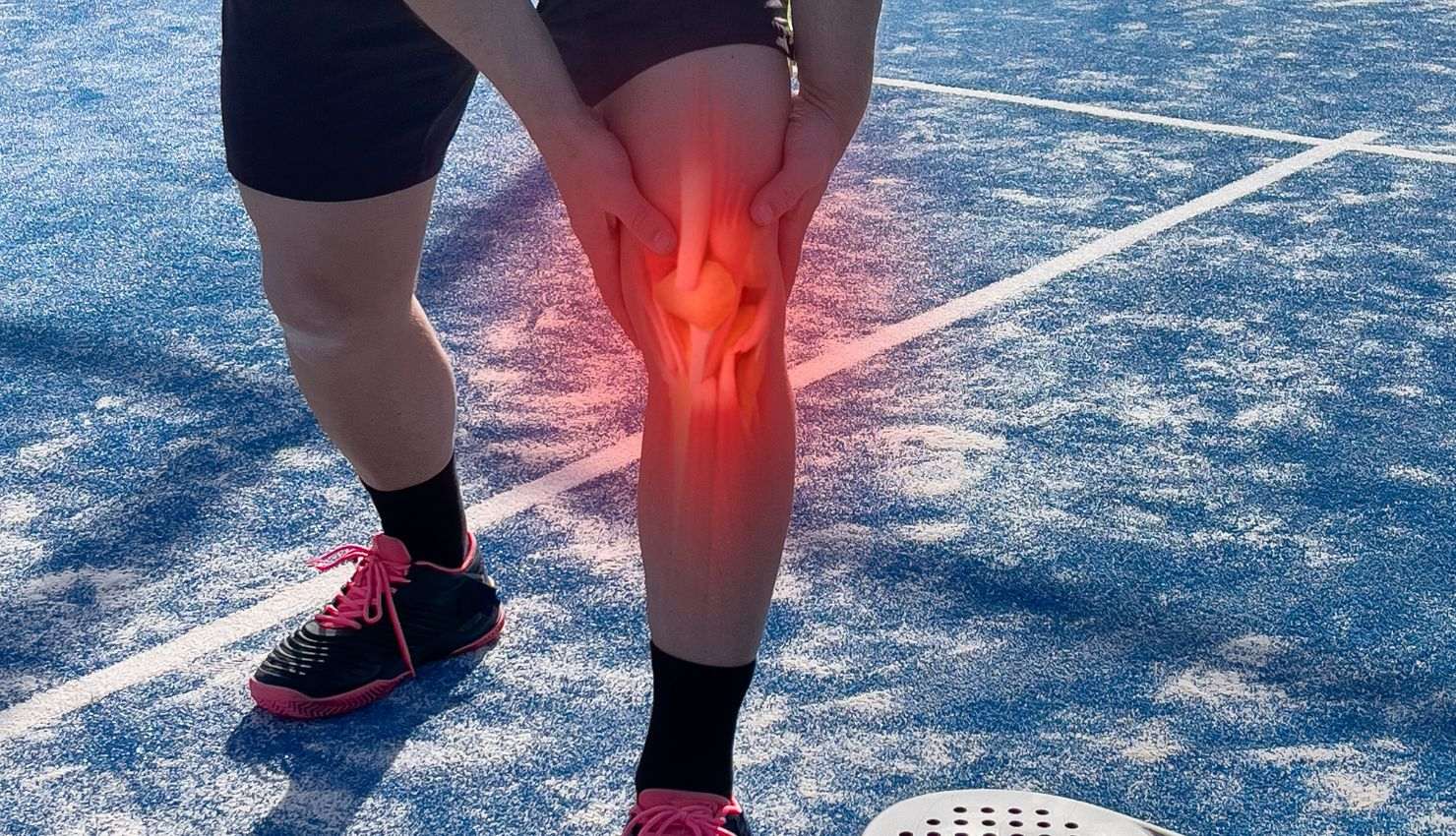
Physiotherapy plays a crucial role in managing tennis elbow, a common condition caused by repetitive strain on the tendons in the forearm, leading to pain and inflammation on the outside of the elbow. This condition, also known as lateral epicondylitis, affects athletes, office workers, and anyone involved in repetitive hand or arm movements. Here’s how physiotherapy can help manage and even prevent tennis elbow:
1. Pain Relief
Physiotherapists use various techniques to help alleviate pain, including:
Ice therapy: Applying ice can reduce swelling and inflammation in the early stages of the injury.
Heat therapy: Heat packs can be applied later in the healing process to promote blood circulation and relax muscles.
Electrotherapy: Techniques like TENS (Transcutaneous Electrical Nerve Stimulation) can help reduce pain by sending electrical pulses to the area.
2. Stretching and Strengthening Exercises
A physiotherapist will design a personalized program of stretches and strengthening exercises to:
Stretch tight muscles: This can help relieve tension around the elbow and improve range of motion.
Strengthen the forearm muscles: Gradual strengthening helps to rebuild the damaged tendons and prevent further injury. Specific exercises like wrist extension and flexion can help rebuild muscle strength.
Strengthening exercises are vital to support the elbow and prevent it from getting overloaded, which can lead to re-injury.
3. Manual Therapy
Manual therapy techniques, such as massage and joint mobilizations, can:
Relieve muscle tension: By using deep tissue massage, physiotherapists can help relieve tightness in the forearm muscles and surrounding areas.
Increase range of motion: Gentle mobilizations of the elbow joint can improve flexibility and reduce stiffness, making daily activities easier to perform.
4. Taping and Bracing
Physiotherapists may use specialized techniques like kinesiology taping or recommend wearing a forearm brace. These help by:
Reducing strain on the tendons: The brace or tape supports the elbow, reducing stress on the affected area during activities.
Improving posture and movement patterns: Taping can encourage proper alignment and prevent overuse during everyday tasks.
5. Education on Posture and Technique
Physiotherapists teach the importance of maintaining proper posture and ergonomics, especially if the tennis elbow is caused by repetitive motion at work or during sports. This includes:
Correcting wrist and arm positions: Proper hand positioning during activities like typing, lifting, or playing tennis can prevent strain on the elbow.
Advice on modifying activities: A physiotherapist might recommend changes to your daily routine, such as adjusting your workstation or using proper sports techniques.
6. Gradual Return to Activity
Once pain is under control, physiotherapy helps you gradually return to activities, ensuring that you do not rush the process. The goal is to:
Reintroduce normal activity: Without overloading the healing tissues.
Monitor progress: Ensuring that your movement patterns are correct and that youre avoiding further strain on the elbow.
7. Preventing Recurrence
Physiotherapy also focuses on preventing future injury by:
Identifying any weaknesses or imbalances in the arm and correcting them.
Offering guidance on lifestyle changes and preventive exercises that help avoid overuse in the future.
Final Thoughts
Physiotherapy for tennis elbow isn’t just about relieving painit’s about helping you restore function, strength, and prevent future injury. By combining targeted exercises, manual techniques, and lifestyle changes, a physiotherapist can help manage tennis elbow effectively and guide you back to your normal activities with less pain and more confidence.