Working from home may be convenient but without the right setup and movement habits, it often leads to neck stiffness, back pain, wrist strain, and fatigue. Thats where physiotherapy comes in. It offers proactive strategies to protect your body, correct posture, and keep discomfort from becoming a chronic issue.

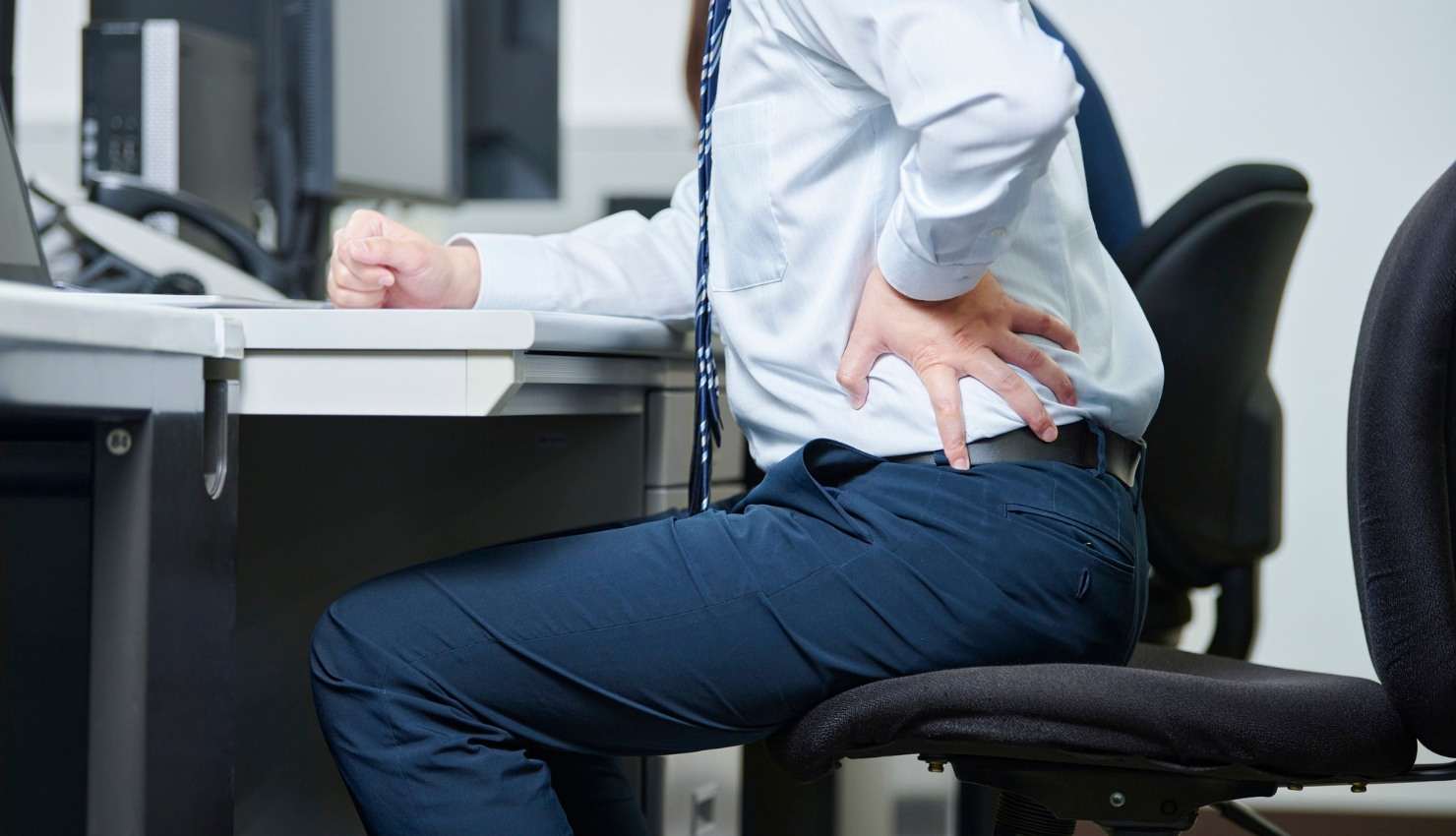
Working from home may be convenient but without the right setup and movement habits, it often leads to neck stiffness, back pain, wrist strain, and fatigue. Thats where physiotherapy comes in. It offers proactive strategies to protect your body, correct posture, and keep discomfort from becoming a chronic issue.
Heres how physiotherapy helps you stay pain-free in your home office:
?? 1. Identifies the Root Cause of Discomfort
A physiotherapist doesnt just treat symptoms they look at why your pain is happening.
What they assess:
Posture habits and workstation alignment
Muscle imbalances (tight vs. weak areas)
Movement patterns and daily activity levels
Repetitive stress risks (e.g., from typing or sitting too long)
?? This whole-body approach prevents small issues from turning into long-term injuries.
?? 2. Provides Personalized Stretching & Mobility Routines
Stiff hips, tight shoulders, and a rigid spine are common from sitting all day.
A physio can prescribe:
Desk-friendly stretches for your neck, back, wrists, and hips
Mobility drills to restore joint movement
Foam rolling or self-release techniques to ease tension
?? Consistent stretching can improve posture and reduce stiffness dramatically.
?? 3. Strengthens Key Muscle Groups for Better Posture
Poor posture usually results from weak core, glutes, upper back, and neck muscles.
A physiotherapy program may include:
Core activation to support your lower back
Scapular (shoulder blade) exercises to open the chest
Neck strengthening to reduce forward head posture
Hip and glute work to stabilize your pelvis
??? Building postural strength helps you sit taller and move more efficiently even during long workdays.
??? 4. Advises on Ergonomic Setup and Adjustments
Physiotherapists can guide you in customizing your home office layout.
Theyll help you:
Position chair, desk, monitor, and keyboard at safe angles
Choose or adapt ergonomic tools like lumbar supports or footrests
Learn optimal sitting positions and how to transition between sitting and standing
?? An ergonomic desk setup reduces physical stress and improves daily comfort.
?? 5. Encourages Active Breaks and Movement Habits
Physios help you turn movement into part of your work routine not just your workout.
They may recommend:
Timed posture resets or walking breaks
Movement snack routines: 35 minute mobility bursts during your day
Desk exercises you can do without changing clothes or leaving your space
? These small actions throughout the day keep joints fluid and muscles active.
?? Bonus: What to Expect from a Home Office Physiotherapy Plan
Element Purpose
Postural assessment Identify weak spots and alignment issues
Ergonomic coaching Set up your workstation for long-term comfort
Customized exercises Build strength, mobility, and stability
Stretching routines Ease tension and improve flexibility
Progress tracking Adjust plan based on improvements