Overuse injuries occur when a particular part of the body is subjected to repetitive stress or strain over an extended period. These types of injuries are common among athletes, fitness enthusiasts, and individuals who engage in repetitive physical activities or jobs.

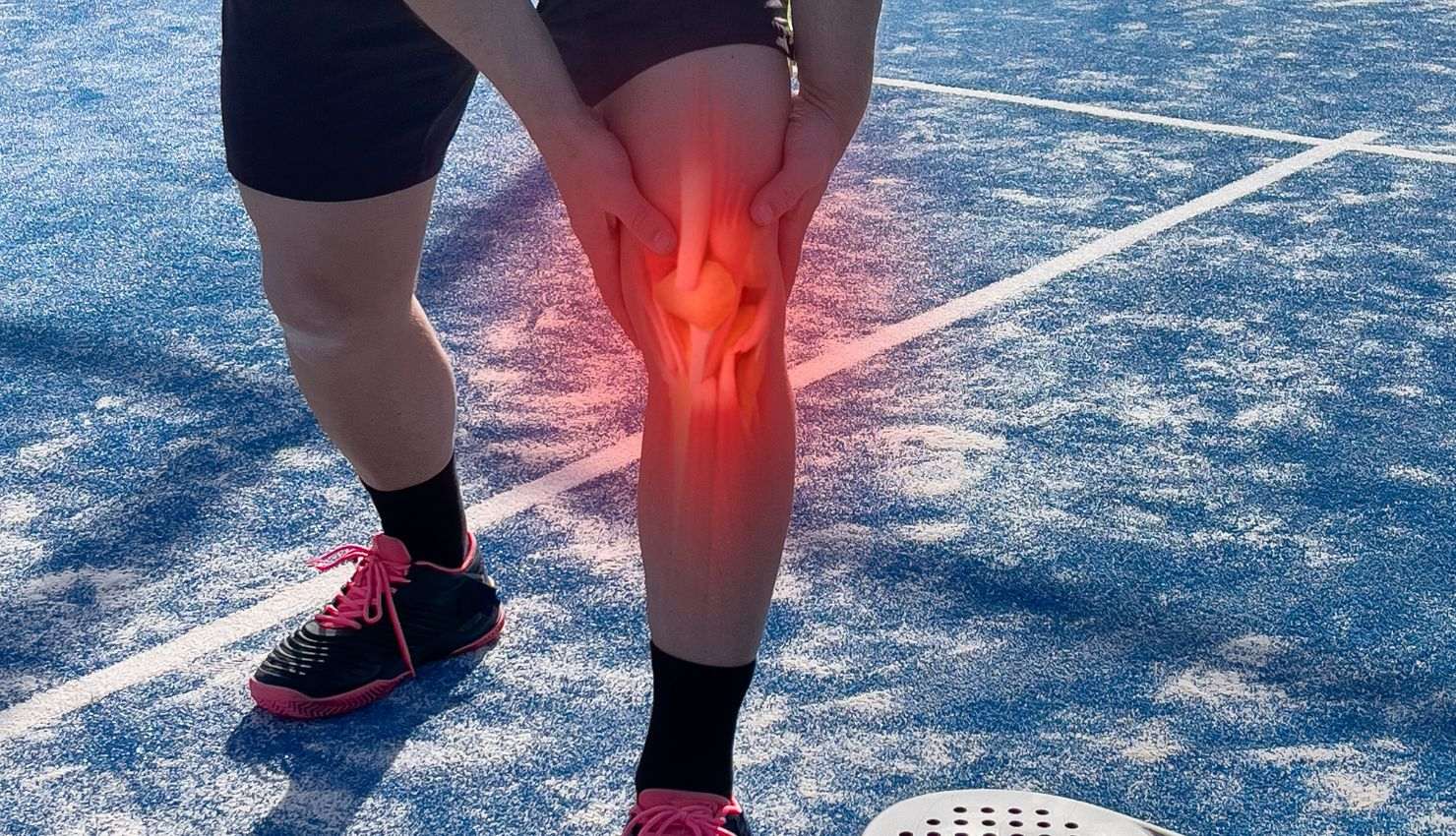
Overuse injuries occur when a particular part of the body is subjected to repetitive stress or strain over an extended period. These types of injuries are common among athletes, fitness enthusiasts, and individuals who engage in repetitive physical activities or jobs. Examples of overuse injuries include tendinitis, stress fractures, bursitis, and muscle strains. While these injuries are common, physiotherapy plays a crucial role in preventing them by addressing risk factors, improving strength, and ensuring proper movement patterns.
Heres how physiotherapy can help prevent overuse injuries:
### **1. Identifying and Correcting Biomechanical Issues**
One of the key roles of physiotherapists is to assess the biomechanics of the body. Biomechanical issues, such as poor posture, misalignment, or inefficient movement patterns, can contribute to overuse injuries by placing undue stress on certain muscles, joints, or tendons. Physiotherapists use various assessment techniques to identify these issues and develop strategies to correct them.
#### **How Physiotherapists Identify and Address Biomechanical Issues:**
* **Posture Analysis**: Physiotherapists examine your posture during various activities (e.g., sitting, standing, walking, running) to ensure that the body is properly aligned. Poor posture can lead to excessive stress on certain muscles and joints, increasing the risk of overuse injuries.
* **Movement Pattern Assessment**: Through a detailed movement analysis, physiotherapists observe how you perform specific activities (like running, jumping, or lifting). They look for any inefficient or compensatory movement patterns that may overload certain body parts and cause injury.
* **Corrective Exercises**: Based on their analysis, physiotherapists design exercises to improve posture, alignment, and movement efficiency. These exercises help address muscle imbalances, joint dysfunction, and inefficient movement patterns that may lead to overuse injuries.
By correcting biomechanical issues, physiotherapy ensures that your body moves in a balanced, efficient way, reducing the risk of strain and injury.
—
### **2. Improving Strength and Flexibility**
Muscle imbalances, weakness, and tightness are common contributors to overuse injuries. When muscles are weak or overly tight, they cant absorb shock or stabilize the joints properly, leading to excessive strain on certain areas. Physiotherapy focuses on strengthening weak muscles, stretching tight muscles, and improving overall flexibility to promote balance and reduce the risk of injury.
#### **How Physiotherapy Improves Strength and Flexibility:**
* **Strengthening Weak Muscles**: Physiotherapists target the muscles that are weak or underactive. Strengthening these muscles helps provide better support to the joints and tissues, reducing the strain placed on them during repetitive movements. For example, strengthening the core and lower back muscles can prevent overuse injuries in the spine and hips.
* **Stretching Tight Muscles**: Tight muscles are more prone to injury because they lack the flexibility to move through their full range of motion. Physiotherapists design stretching routines that focus on lengthening tight muscles, particularly those that are commonly affected by overuse, such as the hamstrings, calves, and hip flexors.
* **Balanced Flexibility**: Physiotherapists teach proper stretching techniques to maintain a balance between flexibility and strength, ensuring that muscles remain flexible but also strong enough to handle the stress of repetitive activity.
By improving strength and flexibility, physiotherapy reduces muscle imbalances and promotes healthy movement, minimizing the risk of overuse injuries.
—
### **3. Teaching Proper Technique and Posture**
Incorrect technique or posture during physical activities or daily tasks can place excessive strain on the body, leading to overuse injuries. Physiotherapists are experts in teaching proper movement techniques and posture to ensure that the body is working efficiently and safely during repetitive activities.
#### **How Physiotherapy Teaches Proper Technique and Posture:**
* **Exercise Technique**: Physiotherapists provide guidance on how to perform exercises and sports movements with proper technique. This includes using correct form during lifting, running, cycling, or playing sports to avoid unnecessary strain on muscles, tendons, and joints.
* **Ergonomics**: Physiotherapists assess your work environment and provide advice on how to adjust your posture and workspace to prevent overuse injuries, particularly for individuals with sedentary jobs. They recommend ergonomic tools, such as adjustable chairs, desks, and keyboards, to reduce strain during repetitive tasks.
* **Daily Movement Awareness**: Physiotherapists teach you how to move safely and efficiently in everyday activities, such as bending, lifting, or walking. Maintaining proper posture and using correct movement mechanics throughout daily tasks can reduce the likelihood of overuse injuries.
By teaching proper technique and posture, physiotherapy helps ensure that youre using your body efficiently, reducing the strain placed on vulnerable areas.
—
### **4. Gradual Progression and Load Management**
One of the main causes of overuse injuries is the failure to gradually increase the intensity or frequency of activity. Sudden increases in workload, whether from more intense workouts, longer training sessions, or an increase in physical activity, can lead to strain and injury. Physiotherapists help manage the load and guide gradual progressions to avoid overloading the body.
#### **How Physiotherapy Manages Load and Prevents Overuse Injuries:**
* **Gradual Increase in Intensity**: Physiotherapists design progressive exercise programs that gradually increase in intensity, duration, and frequency to allow the body to adapt safely. This prevents overuse injuries caused by sudden spikes in activity.
* **Monitoring Training Volume**: Physiotherapists monitor your exercise or sports routine and provide recommendations on how to balance your activity levels to avoid fatigue and strain. They help manage training volume to ensure that the body has time to recover between workouts.
* **Rest and Recovery**: Rest is essential to prevent overuse injuries. Physiotherapists emphasize the importance of rest and recovery as part of a well-rounded fitness plan. They recommend active recovery techniques, such as stretching, foam rolling, and low-intensity activities, to help the body recover between training sessions.
By ensuring a gradual progression and proper load management, physiotherapy reduces the risk of overloading the body and causing overuse injuries.
—
### **5. Injury Rehabilitation and Recovery**
In the event of an overuse injury, physiotherapy is essential for rehabilitation. A proper rehabilitation program helps restore function, flexibility, and strength to the injured area, while also preventing recurrence by addressing the underlying causes.
#### **How Physiotherapy Assists with Injury Rehabilitation:**
* **Personalized Rehabilitation Programs**: Physiotherapists design customized rehabilitation programs that focus on strengthening the injured area, improving range of motion, and restoring function. These programs ensure a safe and effective recovery process that minimizes the risk of reinjury.
* **Manual Therapy**: Physiotherapists use hands-on techniques, such as massage and joint mobilization, to relieve pain, reduce stiffness, and promote healing in the injured tissues.
* **Progressive Exercises**: As the injury heals, physiotherapists incorporate functional exercises that mimic sports or daily activities to restore full function and prevent future injuries.
By providing a structured and guided rehabilitation program, physiotherapy ensures a full recovery and reduces the likelihood of reinjury from overuse.
—
### **6. Education on Injury Prevention Strategies**
In addition to hands-on treatment, physiotherapists educate patients on strategies to prevent overuse injuries from occurring in the first place. These strategies include maintaining proper posture, using correct techniques, balancing activity and rest, and staying aware of body mechanics.
#### **Injury Prevention Education Includes:**
* **Warm-Up and Cool-Down**: Physiotherapists emphasize the importance of warming up before exercise and cooling down afterward. Proper warm-ups increase circulation, improve flexibility, and prepare the body for physical activity, while cool-downs help relax muscles and prevent stiffness.
* **Self-Care Strategies**: Physiotherapists teach self-care strategies, such as foam rolling, stretching, and maintaining an appropriate balance between activity and rest, to prevent overuse injuries.
* **Recovery Protocols**: They provide advice on how to manage training load and rest periods to avoid excessive strain and allow the body to recover properly.
By educating patients on injury prevention strategies, physiotherapy empowers individuals to take an active role in protecting themselves from overuse injuries.
—
### **Conclusion**
Overuse injuries can be debilitating, but with the help of physiotherapy, they can be prevented and managed effectively. Through biomechanical assessments, strengthening exercises, posture correction, and gradual progression, physiotherapists play a key role in helping individuals stay active while minimizing the risk of injury. Whether youre an athlete or someone who engages in regular physical activity, physiotherapy provides the tools and education needed to maintain a healthy, injury-free body. If you’re dealing with overuse injuries or want to prevent them in the future, consulting a physiotherapist can help you stay on track for a long, healthy, and active life.