Physiotherapy plays a crucial role in preventing sports injuries by focusing on improving strength, flexibility, coordination, and overall movement mechanics. Through targeted exercises and techniques, physiotherapists can help athletes of all levels reduce the risk of injury, recover faster, and enhance their performance.

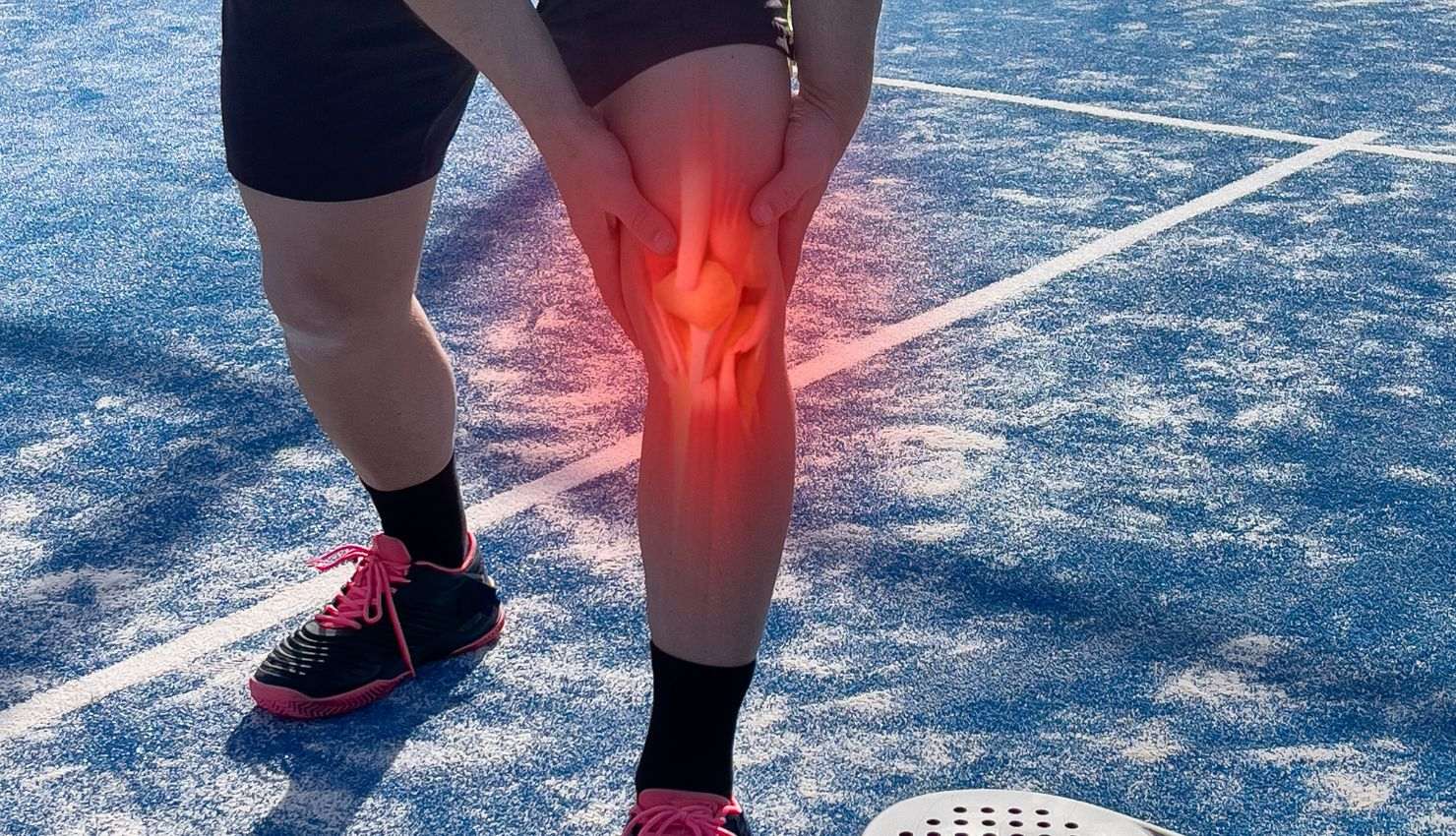
Physiotherapy plays a crucial role in preventing sports injuries by focusing on improving strength, flexibility, coordination, and overall movement mechanics. Through targeted exercises and techniques, physiotherapists can help athletes of all levels reduce the risk of injury, recover faster, and enhance their performance. Heres how physiotherapy can be a game-changer in injury prevention:
1. Improved Flexibility and Mobility
One of the main causes of sports injuries is the lack of flexibility. Tight muscles and joints can limit movement, making athletes more prone to strains or sprains. Physiotherapists can design stretching routines and mobility exercises to help increase flexibility in key areas like the hips, hamstrings, and shoulders. This not only improves the range of motion but also helps with injury prevention, especially in high-demand sports.
2. Strengthening Weak Muscles
Weak or imbalanced muscles are another common contributor to injuries. For instance, athletes with weak core or stabilizing muscles are more prone to back injuries or knee problems. A physiotherapist can assess muscle imbalances and create a program that strengthens the bodys core muscles, as well as those that support the joints and ligaments. Stronger muscles mean better support for the body during intense physical activity, lowering the chance of injury.
3. Improving Posture and Movement Mechanics
Bad posture or poor technique during exercise and sports can lead to unnecessary stress on the bodys joints and muscles, increasing the risk of injury. Physiotherapists evaluate movement patterns to identify any abnormalities that may be contributing to injury risks. They then correct these issues through targeted exercises or guidance on proper posture, which can significantly reduce strain on the body.
4. Balance and Coordination Training
Many sports, especially those involving agility and quick directional changes, require excellent balance and coordination. Physiotherapists use balance exercises and functional training to help athletes develop better control over their movements. Enhanced balance decreases the likelihood of falls and acute injuries, particularly during high-speed or dynamic movements.
5. Prevention Programs
Physiotherapists can design sport-specific injury prevention programs, taking into account an athlete’s unique physical demands. These programs might include strength exercises, stretching routines, warm-up and cool-down techniques, and injury education. By incorporating these into an athletes regular training schedule, the likelihood of overuse injuries or sudden strains is significantly reduced.
6. Taping and Bracing
For athletes prone to certain injuries or recovering from a previous one, physiotherapists may recommend using taping or bracing techniques. These methods provide additional support to joints or muscles, reducing the risk of re-injury while still allowing for full movement during activity.
7. Recovery and Maintenance
Physiotherapy isnt just for post-injury rehabilitation. Regular physiotherapy treatments can help athletes maintain their physical health, address minor aches or pains before they become significant issues, and improve overall performance. Physiotherapists often use techniques like massage, dry needling, or ultrasound to enhance recovery and prevent injuries from recurring.
8. Education on Injury Risk
An essential part of injury prevention is education. Physiotherapists teach athletes about the signs of potential injuries, proper warm-up and cool-down techniques, and the importance of rest and recovery. By knowing when to push and when to rest, athletes are less likely to suffer from overtraining injuries.
Conclusion
Incorporating physiotherapy into an athletes training routine not only helps in recovering from injuries but, more importantly, plays a proactive role in preventing them in the first place. Through personalized care, strength-building exercises, improved mobility, and proper movement education, physiotherapy is a critical tool in keeping athletes performing at their best while minimizing the risk of injury.