Whether you’re an elite athlete, a weekend warrior, or simply someone who enjoys staying active, youve likely experienced post-training discomfort at some point. That deep muscle soreness, stiffness, or nagging joint pain that shows up…

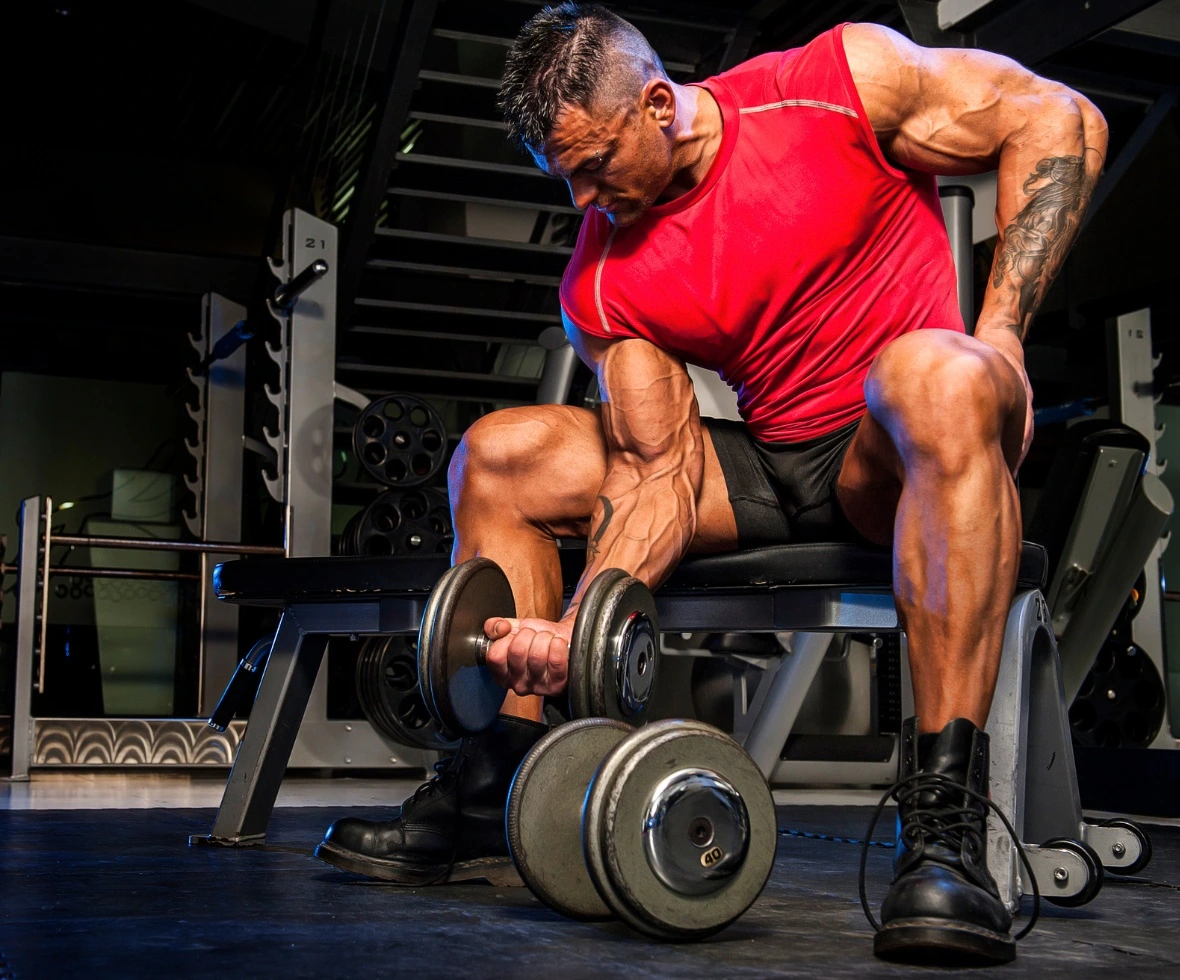
Whether you’re an elite athlete, a weekend warrior, or simply someone who enjoys staying active, youve likely experienced post-training discomfort at some point. That deep muscle soreness, stiffness, or nagging joint pain that shows up a few hoursor even daysafter a heavy workout can interfere with your performance and motivation. But heres the good news: physiotherapy offers proven techniques to help relieve post-sports training discomfort and keep your body functioning at its best.
At Your Form Sux (YFS) in Canada, our physiotherapists understand the demands placed on your body through intense training. This blog dives into how physiotherapy works as a game-changer for athletes looking to bounce back faster, reduce their risk of injury, and train smarter.
What Causes Post-Sports Training Discomfort?
Before diving into the relief physiotherapy can provide, it’s important to understand whats happening inside your body after a workout.
The most common culprit behind post-training discomfort is Delayed Onset Muscle Soreness (DOMS). DOMS typically kicks in 12 to 48 hours after intense or unfamiliar physical activity. Its your bodys natural response to microscopic tears in muscle fibres caused by exercise, especially eccentric movements like downhill running, heavy lifting, or high-intensity interval training.
Besides DOMS, athletes also experience discomfort from muscle fatigue, joint strain, inflammation, and soft tissue stress. Left unmanaged, these issues can escalate into chronic injuries, hindering your training and overall health.
Physiotherapy for Post-Training Recovery: What It Can Do
So how does physiotherapy step in? At YFS, we use evidence-based, personalized physiotherapy plans to accelerate recovery and relieve discomfortso you can focus on performance without pain.
1. Manual Therapy for Muscle Recovery
Manual therapy is one of the cornerstones of physiotherapy for post-training relief. It includes techniques such as soft tissue massage, joint mobilization, and trigger point therapy.
By targeting sore, overworked muscles, manual therapy improves circulation, reduces inflammation, and flushes out metabolic waste. The result? Faster muscle repair, improved flexibility, and less soreness post-workout.
2. Active Recovery Techniques
Unlike rest alone, active recovery supported by physiotherapy promotes healing through controlled movements. This includes guided stretching, low-impact mobility drills, and functional exercises designed to restore balance and prevent stiffness.
For example, incorporating light resistance bands or bodyweight exercises under the guidance of a physiotherapist can ease muscle tightness and get you moving without further strain.
3. Dry Needling and Modalities for Pain Relief
Some physiotherapy clinics, like YFS, offer dry needling, a technique that targets myofascial trigger points to relieve pain and promote muscular healing. Its particularly effective for deep-seated knots that dont respond well to massage alone.
In addition to dry needling, tools like ultrasound therapy, TENS machines (Transcutaneous Electrical Nerve Stimulation), and heat therapy can reduce nerve irritation, relax muscles, and improve range of motion.
4. Personalized Exercise Prescription
Every athletes body responds differently to training. Thats why physiotherapists create individualized exercise programs that address your unique needs, weaknesses, and training goals. These targeted routines work to correct imbalances, improve posture, and reinforce proper movement mechanics.
Whether you’re recovering from a hard training session or preventing injury down the road, personalized exercises play a critical role in long-term recovery and peak performance.
5. Postural and Biomechanical Assessments
Your form really does matterespecially after intense training. If your posture or biomechanics are off, youre more likely to develop pain and injuries. YFS physiotherapists use detailed assessments to identify any misalignments or movement dysfunctions that may be contributing to your discomfort.
By correcting these issues early on, you reduce the load on joints and muscles, which can drastically reduce future pain and improve training outcomes.
Long-Term Benefits of Physiotherapy for Athletes
Getting physiotherapy isn’t just about immediate reliefit’s also about optimizing your physical health for the long haul. Heres how consistent physiotherapy helps athletes:
Reduces injury risk by correcting muscle imbalances and joint dysfunctions
Improves athletic performance through enhanced mobility, flexibility, and strength
Accelerates recovery time, helping you train harder and more consistently
Boosts body awareness, enabling smarter, safer training habits
Enhances joint and muscle resilience, especially for high-impact sports like hockey, football, or CrossFit
When Should You See a Physiotherapist?
Its a common myth that physiotherapy is only for athletes who are injured. In reality, early intervention is key. You should consider seeing a physiotherapist if:
You experience persistent muscle soreness beyond 48 hours
You notice reduced range of motion or joint stiffness
You feel pain that worsens with activity or lingers after workouts
Youre recovering from a minor tweak and want to prevent it from escalating
Youre training for an event and want to stay injury-free
Even if you’re not currently in pain, preventive physiotherapy can play a critical role in enhancing your athletic potential and ensuring long-term joint and muscle health.
Why Choose YFS for Physiotherapy in Canada?
At Your Form Sux, we dont believe in cookie-cutter solutions. Our team of licensed Canadian physiotherapists offers tailored recovery plans based on your sport, training intensity, and recovery needs.
We use a hands-on, movement-focused approach to help athletes, fitness enthusiasts, and weekend warriors alike feel better, move better, and train with confidence. Whether you’re dealing with muscle soreness or recovering from a training injury, weve got your backliterally.
Final Thoughts
Post-sports training discomfort doesnt have to be part of your routine. With the right physiotherapy plan, you can not only ease the pain but also improve your training quality and reduce future risks.
If youre feeling sore, tight, or off your game, dont wait. Book your personalized physiotherapy session with YFS today and experience the difference of training with proper recovery support.