Sciatica and lower back pain can be incredibly uncomfortable and disruptive, but physiotherapy can offer significant relief for both conditions. Whether it’s due to a herniated disc, muscle strain, or poor posture, physiotherapy targets the root cause of pain and provides personalized treatment strategies to reduce discomfort and promote healing.

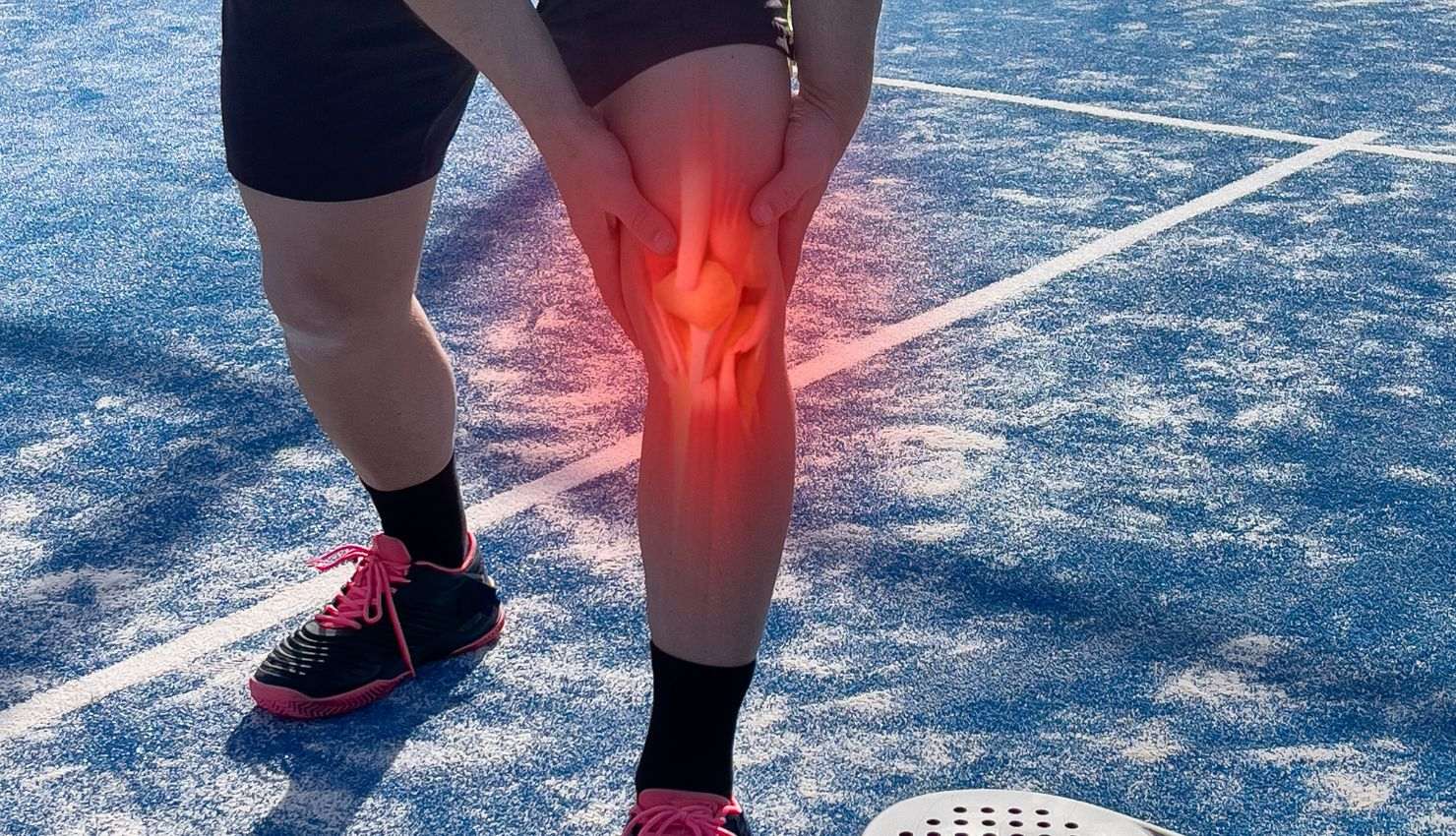
Sciatica and lower back pain can be incredibly uncomfortable and disruptive, but physiotherapy can offer significant relief for both conditions. Whether it’s due to a herniated disc, muscle strain, or poor posture, physiotherapy targets the root cause of pain and provides personalized treatment strategies to reduce discomfort and promote healing. Heres how physiotherapy can help with sciatica and lower back pain:
1. Pain Relief through Targeted Exercises
Physiotherapists can design specific exercises to strengthen the muscles of the lower back, abdomen, and legs. These exercises help stabilize the spine, reduce pressure on nerves, and promote better posture. They may focus on improving flexibility and mobility, which can ease tension and alleviate discomfort caused by sciatica or lower back pain.
2. Manual Therapy
Manual therapy involves hands-on techniques such as joint mobilization, manipulation, or soft tissue massage. These techniques can help relieve tightness and improve the movement of your spine and surrounding tissues. Manual therapy often provides quick relief from pain and stiffness, especially if your pain is caused by muscle imbalances or spinal misalignment.
3. Posture and Ergonomics Education
Many lower back issues arise from poor posture and improper ergonomics, especially for those who sit for long hours at desks or work in physically demanding jobs. Physiotherapists provide advice on how to maintain correct posture during daily activities, as well as how to adjust your workstation or sleeping habits. This education can prevent the recurrence of pain and improve overall spinal health.
4. Stretching and Flexibility
Tight muscles, especially in the hips, hamstrings, and lower back, can contribute to sciatica and lower back pain. Stretching exercises help to release this tension and restore flexibility, which can significantly reduce pressure on the sciatic nerve and ease pain. Your physiotherapist can show you safe, effective stretches tailored to your condition.
5. Heat and Cold Therapy
Applying heat or cold can be a simple but effective method of pain relief. Cold therapy can reduce inflammation and numb sharp pain, while heat therapy helps relax stiff muscles and improve blood flow. Physiotherapists often incorporate these therapies into treatment plans, along with exercises, to promote healing and comfort.
6. Core Strengthening
The muscles of the coresuch as the abdominals, obliques, and lower back musclesplay a critical role in supporting the spine. Strengthening the core helps to alleviate stress on the back and prevents future injury. A physiotherapist will guide you through specific exercises designed to build a strong and stable core.
7. Education on Activity Modification
While its important to stay active when managing lower back pain or sciatica, overexertion can lead to further injury. A physiotherapist can advise on how to modify activities to avoid exacerbating your pain. Whether its avoiding certain movements or learning how to safely lift objects, this guidance helps you stay active without aggravating your condition.
8. Long-Term Management Strategies
Beyond immediate relief, physiotherapists focus on providing long-term strategies to prevent recurring pain. By teaching you how to maintain spinal health and avoid strain, they equip you with tools for managing your condition over the long term. This might include regular exercises, lifestyle changes, and strategies for reducing the risk of re-injury.
9. Injury Prevention
One of the most important benefits of physiotherapy is injury prevention. A physiotherapist can assess your body mechanics, strength, and flexibility to identify any imbalances or weaknesses. By addressing these issues, they help prevent future episodes of sciatica and lower back pain, keeping you healthy and active.
Conclusion
If you’re struggling with sciatica or lower back pain, physiotherapy is a valuable, non-invasive treatment option. It not only helps relieve immediate pain but also promotes long-term recovery and injury prevention. With a combination of exercises, manual therapy, education, and guidance, physiotherapy can help you return to your regular activities with less pain and greater mobility. Always consult a qualified physiotherapist to develop a personalized treatment plan that fits your specific needs.