Extended desk work can cause:

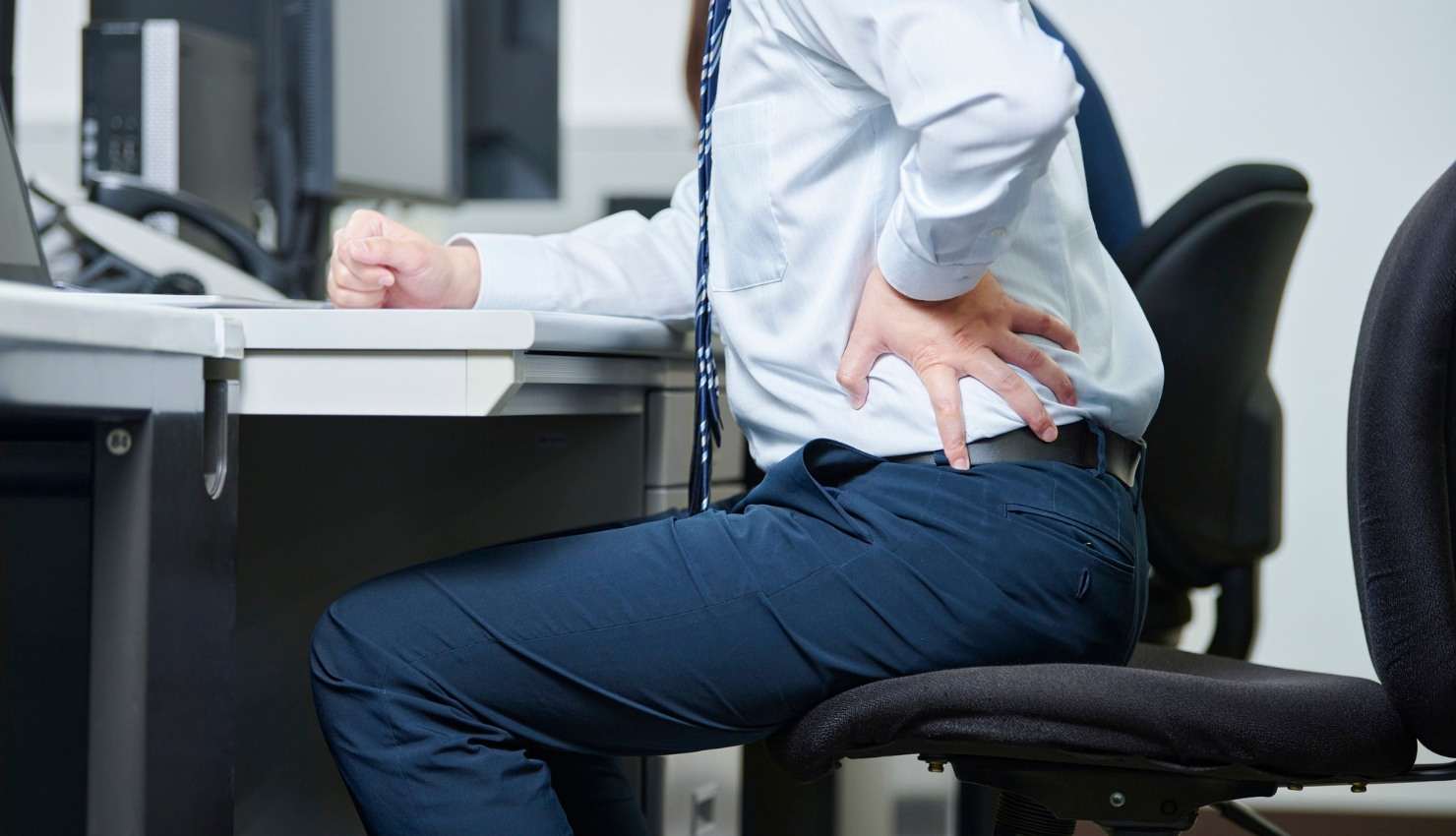
Extended desk work can cause:
Forward head posture (chin jutting forward)
Tight neck and shoulder muscles (especially upper trapezius, suboccipitals, and levator scapulae)
Poor ergonomics that strain the spine and jaw
Reduced blood flow to the head and neck
Stress and jaw clenching while concentrating
These can lead to:
Tension-type headaches (pressure or tightness, often across forehead or sides)
Cervicogenic headaches (pain originating from the neck)
Occasional migraines triggered by postural strain or visual fatigue
?? How Physiotherapy Helps
Physiotherapy tackles the root mechanical issues causing your headachesnot just the symptoms.
?? 1. Manual Therapy for Neck and Upper Back
Soft tissue release for tight muscles like suboccipitals and trapezius
Gentle joint mobilizations for the cervical spine (especially C2C3 levels)
Trigger point therapy for tension-related pain referral patterns
????? Releasing tension in the upper neck can often relieve headaches almost instantly.
?? 2. Postural Correction & Retraining
Identify postural habits (e.g., slouching, forward head position)
Teach proper alignment: ears over shoulders, chin tucked slightly, shoulders relaxed
Prescribe postural awareness exercises, like:
Chin tucks (to realign the head and spine)
Wall angels (to open up the chest and strengthen scapular muscles)
?? Improved posture reduces the mechanical load on the neck and head.
?? 3. Strengthening Weak Muscles
Physiotherapists design targeted programs to support your posture long-term:
Deep neck flexors
Mid-back (rhomboids, trapezius)
Core muscles for full-body support
?? Weak postural muscles make your body rely on tension to stay uprightleading to pain.
??? 4. Ergonomic Guidance
Your physiotherapist will assess and help you improve your:
Desk height
Monitor alignment
Chair support
Keyboard and mouse placement
Theyll teach you how to set up your space for spinal neutrality, reducing strain on the neck, eyes, and shoulders.
?? Poor ergonomics is one of the top hidden causes of desk-related headaches.
?? 5. Stretching and Mobility Exercises
To release and prevent tightness in problem areas like:
Neck extensors
Chest (pectoralis major/minor)
Upper trapezius and scalene muscles
Thoracic spine (mid-back)
Common exercises:
Neck lateral flexion stretches
Doorway pec stretch
Thoracic extension over a foam roller
?? Regular movement throughout the day is key to keeping headache triggers at bay.
?? 6. Pain Relief Techniques
Depending on your symptoms, your physiotherapist may also use:
Dry needling for muscle trigger points
Heat therapy to relax tight muscles
Cold packs if inflammation is suspected
TENS (electrical stimulation) for pain relief
?? 7. Workplace Movement Strategy
Your physio can help you build a movement plan to prevent tension from building up.
Stand, stretch, or walk every 3060 minutes
Try desk stretches: neck rolls, shoulder shrugs, scapular squeezes
Consider alternating between sitting and standing
?? Motion is lotionespecially for the spine and head.