Overactive bladder (OAB) is a common pelvic health issue that affects millions of women worldwide. Characterized by a sudden and uncontrollable urge to urinate, frequent urination, and sometimes urge incontinence, OAB can significantly impact quality of life.

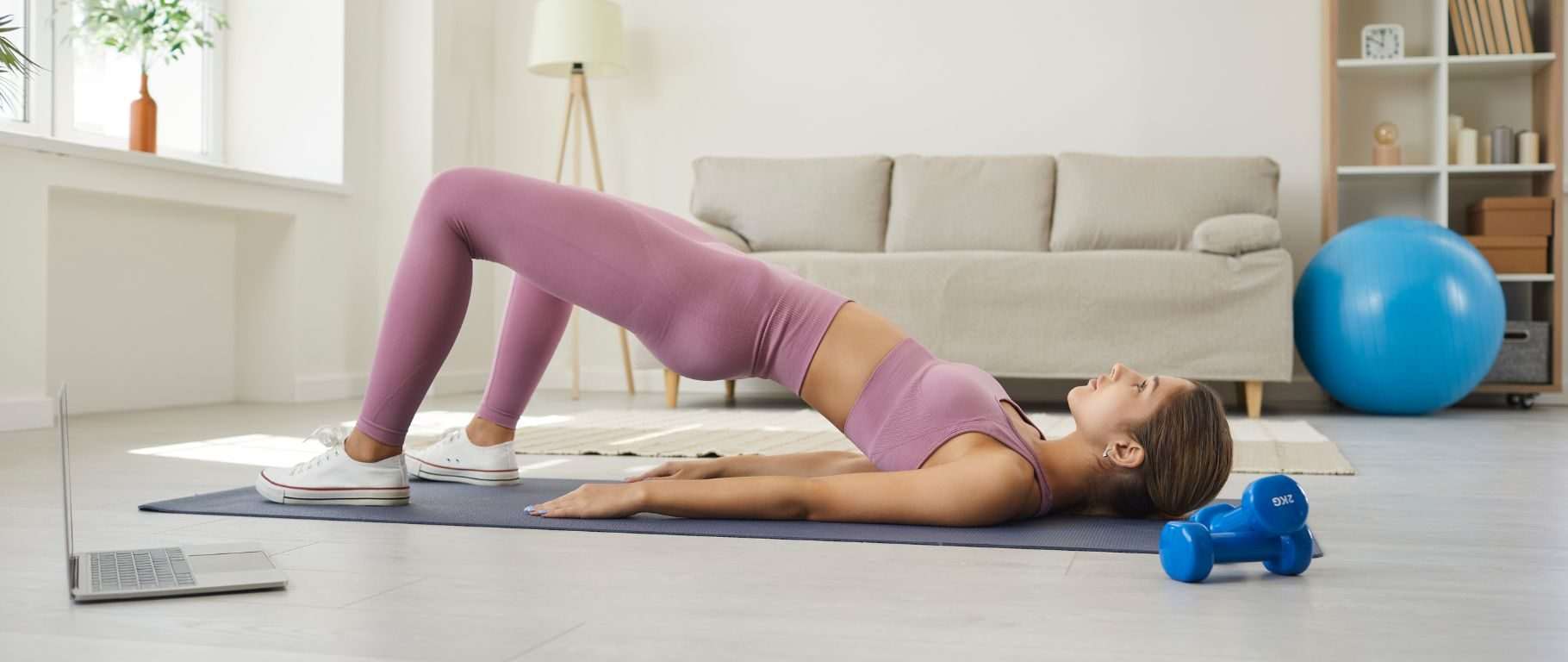
Overactive bladder (OAB) is a common pelvic health issue that affects millions of women worldwide. Characterized by a sudden and uncontrollable urge to urinate, frequent urination, and sometimes urge incontinence, OAB can significantly impact quality of life. Fortunately, physiotherapy offers effective, evidence-based solutions to manage and improve symptoms by targeting the underlying pelvic floor dysfunction.
Understanding Overactive Bladder and Its Impact
Overactive bladder is caused by involuntary contractions of the bladder muscle, which creates an urgent need to empty the bladder even when it isnt full. This condition can result from a variety of factors including nerve irritation, muscle weakness or tightness, hormonal changes, or lifestyle habits.
Women with OAB often experience:
Frequent urination during the day and night
Sudden urges that are difficult to control
Accidental leakage (urge incontinence)
Social and emotional distress due to symptom unpredictability
The Role of the Pelvic Floor in Overactive Bladder
The pelvic floor muscles support the bladder and urethra, helping maintain continence by controlling urine flow. When these muscles are weak, uncoordinated, or overly tight, they can contribute to bladder instability and urgency symptoms.
Physiotherapy focuses on restoring balance and function to these muscles through targeted rehabilitation, addressing both the muscles and the nervous system pathways involved in bladder control.
How Physiotherapy Helps Manage Overactive Bladder
1. Pelvic Floor Muscle Training
Strengthening weak pelvic floor muscles improves bladder support and enhances voluntary control. Exercises designed to increase muscle endurance and strength can reduce urgency and leakage by improving the squeeze needed to hold urine.
2. Pelvic Floor Relaxation Techniques
For some women, pelvic floor muscles may be overly tight or spastic, worsening urgency symptoms. Learning to relax and release tension in the pelvic muscles through manual therapy, biofeedback, and breathing techniques can calm bladder irritation.
3. Bladder Retraining and Behavioral Strategies
Physiotherapists teach bladder retraining techniques that help patients gradually increase the time between urinations, improving bladder capacity and control. Combined with lifestyle advice on fluid intake, diet, and timed voiding, these strategies are highly effective.
4. Postural and Core Stability Training
Posture and core muscle strength influence pelvic floor function. Poor posture can increase pressure on the bladder and pelvic region, worsening symptoms. Physiotherapy programs often integrate posture correction and core stabilization exercises for holistic pelvic health.
5. Manual Therapy and Biofeedback
Manual therapy techniques can address muscle restrictions, scar tissue, or nerve irritation contributing to OAB. Biofeedback uses technology to help patients visualize and control pelvic floor muscle activity, improving awareness and exercise effectiveness.
Benefits of Physiotherapy for Overactive Bladder
Non-invasive, drug-free treatment option
Customized to individual symptoms and needs
Can be combined with other medical treatments
Reduces urgency, frequency, and leakage episodes
Improves confidence and quality of life
Empowers patients with self-management tools
When to Seek Physiotherapy for Overactive Bladder
If you experience frequent, urgent urination or leakage, consulting a pelvic health physiotherapist is a valuable first step. Early intervention can prevent worsening symptoms and avoid unnecessary medications or surgeries. Physiotherapy can also complement medical treatments for comprehensive care.
Final Thoughts
Overactive bladder affects many women but does not have to control your life. Physiotherapy offers a safe, effective way to manage symptoms by improving pelvic floor function, retraining the bladder, and addressing contributing factors such as posture and muscle tension. With personalized care and consistent practice, women can regain control, reduce discomfort, and enjoy improved pelvic health.