Childbirth is a powerful and transformative experience, but it can also place significant stress on the pelvic floor. Many women face postpartum challenges such as urinary incontinence, pelvic pressure, pain, or a general feeling of instabilityyet these symptoms are often misunderstood, ignored, or normalized.

Childbirth is a powerful and transformative experience, but it can also place significant stress on the pelvic floor. Many women face postpartum challenges such as urinary incontinence, pelvic pressure, pain, or a general feeling of instabilityyet these symptoms are often misunderstood, ignored, or normalized. Pelvic floor dysfunction after childbirth is common, but its not something you have to live with. Physiotherapy offers a safe, effective, and evidence-based approach to recovery and long-term pelvic health.
What Is Pelvic Floor Dysfunction?
The pelvic floor is a group of muscles and connective tissues that support the uterus, bladder, and rectum. During pregnancy and delivery, these muscles undergo extreme pressure, stretching, and sometimes trauma. Whether you had a vaginal delivery or a cesarean section, your pelvic floor can become weakened, tight, or imbalanced, leading to dysfunction.
Postpartum pelvic floor dysfunction can present as:
Urinary or fecal incontinence
Pain during intercourse
Pelvic organ prolapse (feeling of heaviness or bulging)
Lower back or hip pain
Difficulty engaging core muscles
Slow recovery of abdominal separation (diastasis recti)
These symptoms can appear days, weeks, or even months after delivery. Addressing them early through physiotherapy helps restore function, prevent chronic issues, and support overall recovery.
Why Physiotherapy Is Essential Postpartum
Pelvic floor physiotherapy focuses on rehabilitating the muscles that may have been stretched, torn, or weakened during pregnancy and childbirth. At YourFormSux, therapists specialize in postpartum care and create individualized programs based on your birth history, physical symptoms, and recovery goals.
Heres how physiotherapy helps with postpartum pelvic floor dysfunction:
1. Detailed Assessment: A pelvic floor physiotherapist conducts a thorough evaluation, which may include internal and external examination (with your consent), postural analysis, and core muscle function testing.
2. Gentle Reintroduction to Exercise: The initial focus is on breathing, awareness, and gentle activation. These foundational steps help reconnect your brain to your pelvic floor muscles without strain.
3. Restoration of Muscle Function: Through tailored exercises and techniques, your physiotherapist helps you retrain the muscles to contract and relax appropriately, rebuild endurance, and improve coordination.
4. Pain Management and Scar Tissue Release: If you had tearing, an episiotomy, or a cesarean scar, physiotherapy includes manual techniques and mobilization to reduce pain and improve tissue flexibility.
5. Education and Empowerment: Understanding how to lift, move, and care for your body postpartum helps prevent future injury. Your therapist teaches you how to manage daily activities without aggravating symptoms.
Common Misconceptions After Childbirth
Many women delay seeking help because of myths or misinformation. Here are some common misconceptions:
Leaking is normal after having a baby.
It may be common, but its not normal. Leaking is a sign that your pelvic floor needs attention.
I had a C-section, so my pelvic floor wasnt affected.
Pregnancy itself puts pressure on your pelvic floor, and surgical recovery affects your core muscles and tissue healing.
Ill just wait and see if it gets better on its own.
Some healing occurs naturally, but unresolved pelvic floor issues can worsen over time without targeted support.
Physiotherapy bridges the gap between childbirth and full recovery, giving your body the tools it needs to heal effectively.
Safe Postpartum Exercises for Pelvic Floor Recovery
While personalized guidance is best, here are gentle exercises commonly used in postpartum physiotherapy:
1. Diaphragmatic Breathing: This technique helps regulate intra-abdominal pressure and encourages gentle pelvic floor engagement.
2. Pelvic Floor Activation (Kegels): Performed with the guidance of a therapist, these exercises target the right muscles without overuse or compensation.
3. Pelvic Tilts and Core Connection: These movements reintroduce spinal mobility and help you reconnect with your deep abdominal muscles.
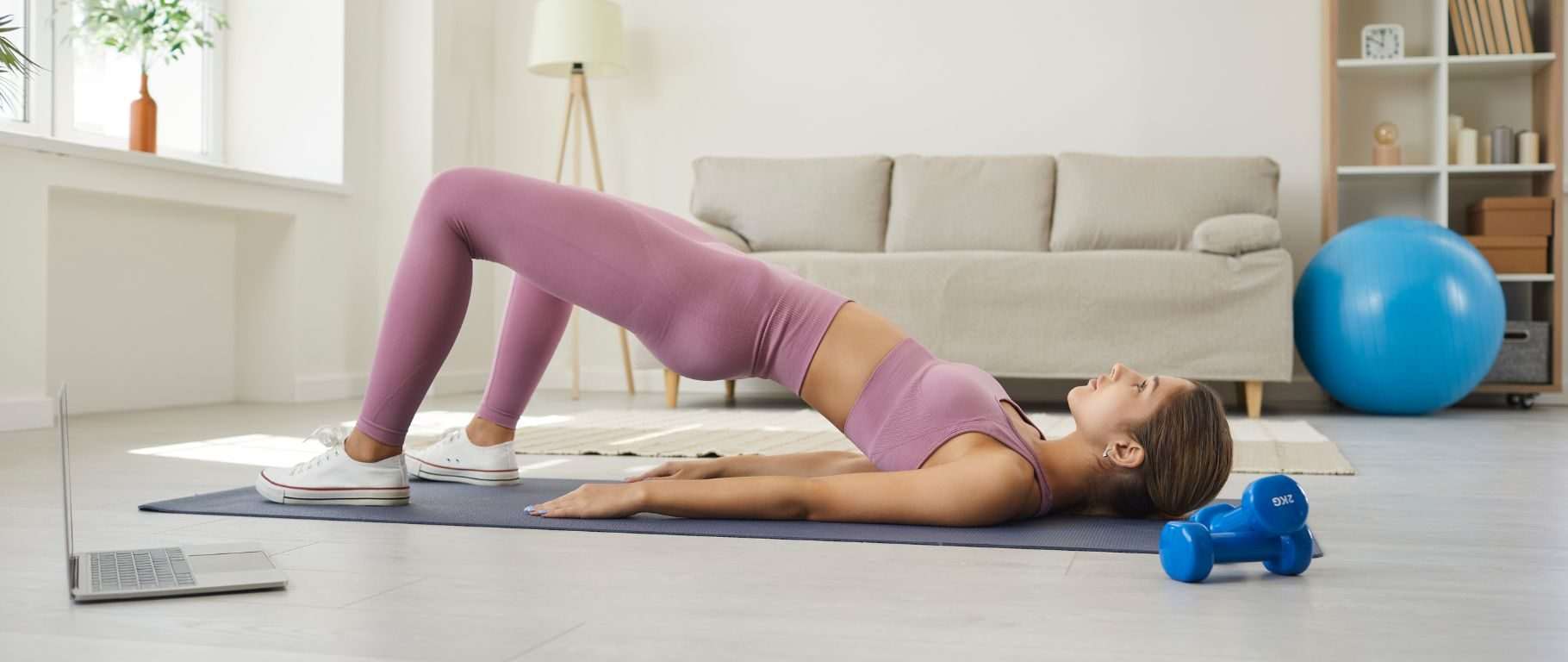
4. Glute Bridges: This beginner-friendly exercise strengthens your hips, core, and pelvic floor together.
These exercises are always introduced gradually and with an emphasis on form and control.
When to See a Physiotherapist Postpartum
You dont need to wait for symptoms to appear. Many women benefit from seeing a pelvic floor physiotherapist as early as six weeks postpartum, or sooner with physician clearance. If youre experiencing any of the following, physiotherapy can help:
Persistent leaking or urgency
Pelvic or low back pain
Difficulty controlling gas or bowel movements
A sensation of heaviness or bulging in the vagina
Pain during sex or tampon use
Poor posture or core instability
Every womans body responds differently to childbirth, and early intervention can make recovery smoother and more complete.
Final Thoughts
Pelvic floor dysfunction after childbirth is common, but its not permanent. With expert guidance from a pelvic health physiotherapist, you can heal more effectively, regain confidence, and return to the activities you love. At YourFormSux, postpartum care is compassionate, customized, and focused on long-term well-being. You deserve a recovery that acknowledges the demands of motherhood while prioritizing your healthand physiotherapy is the first step toward reclaiming your strength.