Pelvic organ prolapse (POP) affects many women, particularly those who have gone through childbirth, menopause, or undergone pelvic surgery. It occurs when one or more pelvic organs, such as the bladder, uterus, or rectum, descend from their normal position due to weakness in the pelvic floor muscles and surrounding connective tissues.

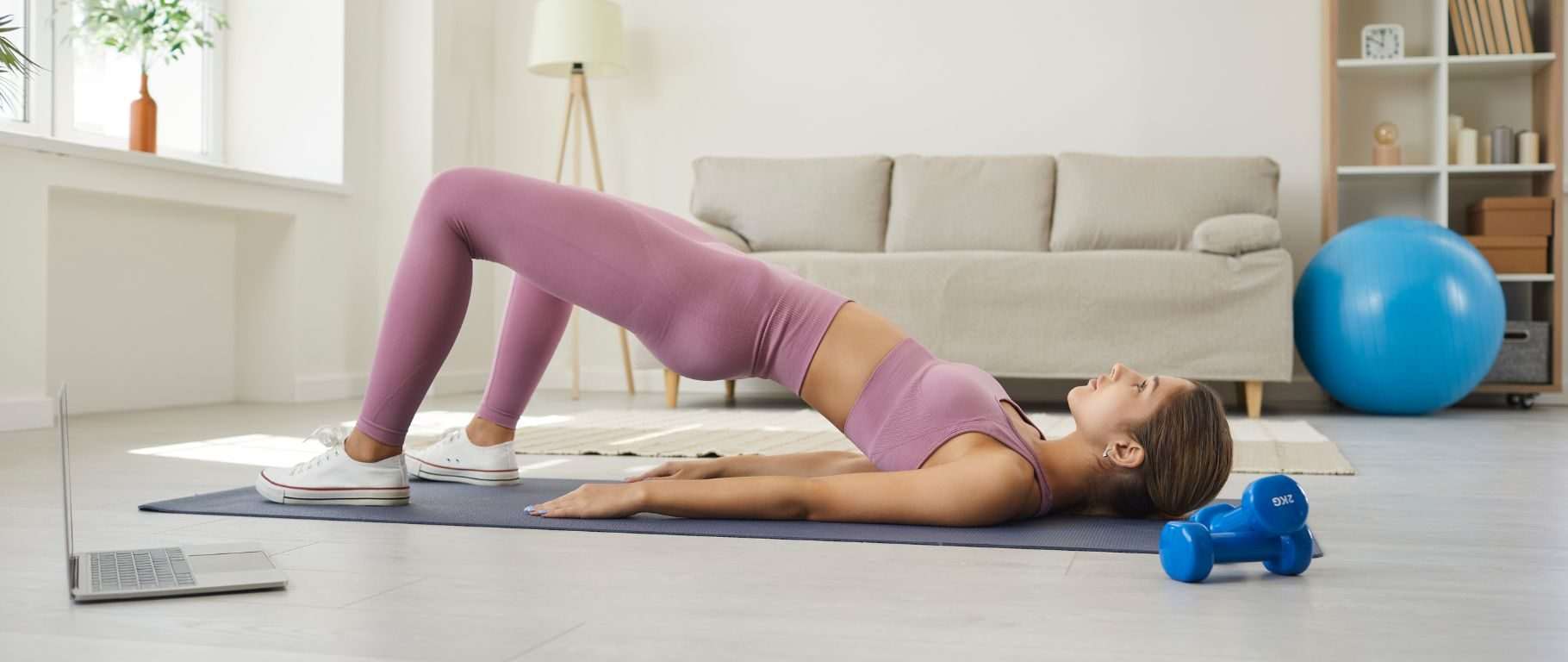
Pelvic organ prolapse (POP) affects many women, particularly those who have gone through childbirth, menopause, or undergone pelvic surgery. It occurs when one or more pelvic organs, such as the bladder, uterus, or rectum, descend from their normal position due to weakness in the pelvic floor muscles and surrounding connective tissues. While this condition can feel isolating and uncomfortable, physiotherapy offers non-surgical, evidence-based solutions for symptom relief and functional recovery.
Understanding Pelvic Organ Prolapse and Its Impact
Pelvic organ prolapse often presents with symptoms like a sensation of heaviness or pressure in the pelvic region, visible bulging in the vaginal area, urinary leakage, difficulty with bowel movements, or sexual discomfort. These symptoms can vary in intensity, from mildly annoying to severely disruptive. The physical discomfort is often compounded by emotional stress, anxiety, and lowered self-confidence.
Many women are unaware that conservative, non-invasive interventions exist to address the root cause of prolapse symptoms. Physiotherapy for pelvic health is a primary method for managing and even reversing early to moderate prolapse cases.
The Role of Pelvic Floor Physiotherapy
Pelvic floor physiotherapy focuses on restoring the strength, flexibility, and endurance of the pelvic muscles. These muscles form the supportive base of the core and are essential for bladder and bowel control, sexual function, and internal organ support.
A trained pelvic health physiotherapist will assess the specific degree of prolapse and create a personalized treatment plan. This plan often includes:
Pelvic floor muscle training (PFMT): Also known as Kegel exercises, these target the deep muscles that support pelvic organs. When done correctly and consistently, PFMT can significantly reduce prolapse symptoms.
Breathing and core coordination: Learning how to properly engage the diaphragm and core muscles during everyday activities helps manage intra-abdominal pressure, reducing strain on pelvic tissues.
Postural alignment education: Posture and alignment influence how force is distributed through the pelvic region. Physiotherapists guide clients to adopt movement patterns that promote organ support.
Manual therapy: Gentle internal or external techniques can improve blood flow, release tension, and optimize muscle function.
Lifestyle modifications: Guidance on lifting techniques, constipation prevention, and bladder habits all contribute to long-term prolapse support.
Preventing Worsening and Enhancing Quality of Life
Physiotherapy empowers women to actively manage pelvic organ prolapse rather than feel limited by it. With a tailored program, many women experience:
Reduced prolapse sensation
Improved bladder and bowel control
Enhanced intimacy and comfort during sex
Increased confidence in daily movement
Lowered risk of surgical intervention
Early intervention is key. Seeking pelvic floor physiotherapy at the first sign of symptoms can often prevent further descent and reduce the need for medical or surgical procedures.
Who Should Seek Help?
Women of all ages can experience POP. If youve recently given birth, are entering menopause, or have a physically demanding job or lifestyle, you may be at increased risk. Its especially important to seek help if you feel any pressure, dragging, or bulging sensations in your pelvic region.
Pelvic health physiotherapy is also valuable post-surgery to regain muscle tone and promote proper healing. Its never too late to strengthen your pelvic floor and improve your quality of life.
A Holistic Approach to Pelvic Organ Prolapse
Pelvic organ prolapse is not just a structural issueits a whole-body concern. By addressing posture, core mechanics, lifestyle habits, and stress management, pelvic floor physiotherapy delivers comprehensive support for long-term recovery.
Women do not need to suffer in silence. At every stage of life, physiotherapy can provide the tools and techniques needed to manage prolapse symptoms naturally and effectively.