How Physiotherapy Can Help With Post-Surgery Spine and Core Rehab explores targeted strategies for recovery. Discover new paths to mobility, healing, and personalized care.

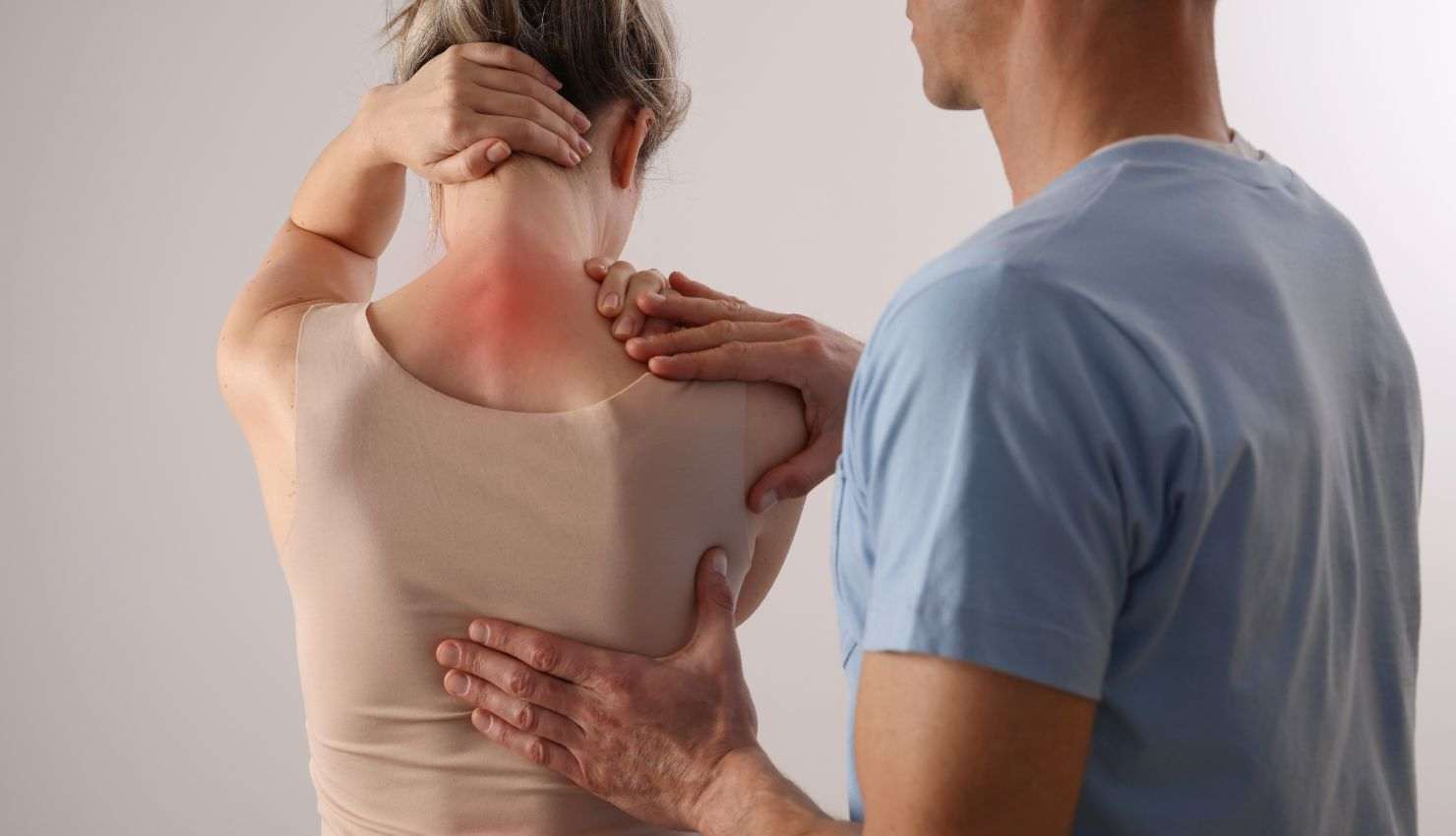
Recovering from spine surgery is a critical phase that requires careful attention, patience, and the right support. One of the most important aspects of post-surgery recovery is rehabilitating your spine and core muscles to restore function, reduce pain, and prevent future complications. Physiotherapy plays a vital role in this process by offering specialized rehabilitation programs tailored to your individual needs.
In this blog, well explore how physiotherapy assists with spine and core rehabilitation after surgery, what to expect during recovery, and why its essential for a successful outcome.
Why Post-Surgery Rehab Matters
Spine surgerywhether its a discectomy, spinal fusion, or decompressioncan significantly improve your condition by relieving nerve pressure, stabilizing the spine, or correcting deformities. However, surgery alone is not enough to restore full function. Without rehabilitation, muscles can weaken, scar tissue can limit movement, and improper movement patterns may develop, increasing the risk of reinjury.
Core muscles, in particular, are often weakened from surgery and prolonged inactivity. Since the core stabilizes the spine, weak core muscles can compromise spinal alignment and mobility, slowing recovery and increasing pain.
The Role of Physiotherapy in Post-Surgery Spine and Core Rehab
Physiotherapy is essential for guiding your recovery, ensuring safe and effective rehabilitation, and helping you regain strength and mobility.
1. Individualized Assessment and Goal Setting
Your physiotherapist will begin with a thorough assessment of your current physical condition, pain levels, mobility, and core muscle strength. Based on this evaluation, they will develop a personalized rehabilitation plan tailored to your surgery type, healing progress, and lifestyle goals.
2. Gentle Mobility and Pain Management
Early rehabilitation focuses on gentle movements to prevent stiffness, improve circulation, and manage pain. Techniques like manual therapy, soft tissue massage, and modalities such as heat or electrical stimulation may be used to reduce inflammation and discomfort.
3. Progressive Core Strengthening
As healing progresses, physiotherapy introduces core strengthening exercises to rebuild the deep stabilizing muscles around the spine and pelvis. Strengthening the core helps restore spinal stability, improve posture, and reduce the mechanical stress that could otherwise delay healing or cause new issues.
Typical core exercises may include:
Pelvic tilts
Bridges
Modified planks
Bird-dog exercises
Abdominal hollowing
Your physiotherapist will carefully progress these exercises, ensuring they are performed with proper technique and within safe limits.
4. Postural Training and Ergonomics
Physiotherapists also work on retraining proper posture and movement patterns, helping you avoid compensations that could harm your spine during recovery. Ergonomic advice ensures that your home and work environments support your healing process.
5. Functional Rehabilitation
Later stages of rehabilitation focus on functional training to help you return to daily activities, work, and exercise safely. This phase includes balance training, coordination exercises, and education on safe lifting and movement techniques.
Benefits of Physiotherapy After Spine Surgery
Faster recovery: Guided rehabilitation speeds up healing and improves outcomes.
Improved spinal stability: Core strengthening supports the spine and reduces reinjury risk.
Reduced pain and stiffness: Manual therapy and movement improve comfort and flexibility.
Better posture and alignment: Corrected movement patterns protect your spine long-term.
Enhanced function: Functional training helps you safely resume normal activities and hobbies.
Common Post-Surgery Rehab Challenges and How Physiotherapy Helps
Muscle weakness: Surgery and inactivity cause muscle atrophy. Physiotherapy rebuilds strength safely.
Limited mobility: Scar tissue and pain restrict movement; manual therapy and exercises restore motion.
Fear of movement: Post-surgical anxiety can limit activity; physiotherapists provide gradual exposure and support.
Postural imbalances: Compensation habits develop post-surgery; posture training corrects these issues.
Why Choose YourFormsUX for Post-Surgery Spine and Core Rehabilitation?
At YourFormsUX in Canada, we understand the complexities of spine surgery recovery. Our physiotherapists specialize in post-surgery rehabilitation, combining expert knowledge with compassionate care. We tailor programs to each patients unique needs and recovery timeline, ensuring safe progress and the best possible outcomes.
We focus on education, empowerment, and ongoing support so you can regain strength, reduce pain, and return to a fulfilling life.
Tips for a Successful Post-Surgery Rehab Journey
Follow your physiotherapists instructions carefully.
Be consistent with your exercises and attend all scheduled sessions.
Communicate openly about any pain or concerns.
Avoid rushing the processhealing takes time.
Maintain a healthy lifestyle with good nutrition and hydration.
Final Thoughts
Physiotherapy is a critical partner in your spine surgery recovery, offering the guidance and expertise needed to rebuild core strength, improve spinal stability, and restore function. By committing to a structured rehab program, you give yourself the best chance at a smooth recovery and long-term spinal health.
If you or a loved one is preparing for or recovering from spine surgery, contact YourFormsUX today to learn how our specialized physiotherapy services can support your rehabilitation journey.