How Physiotherapy Can Help You Achieve Optimal Posture for Dance explores targeted strategies for recovery. Discover new paths to mobility, healing, and personalized care.

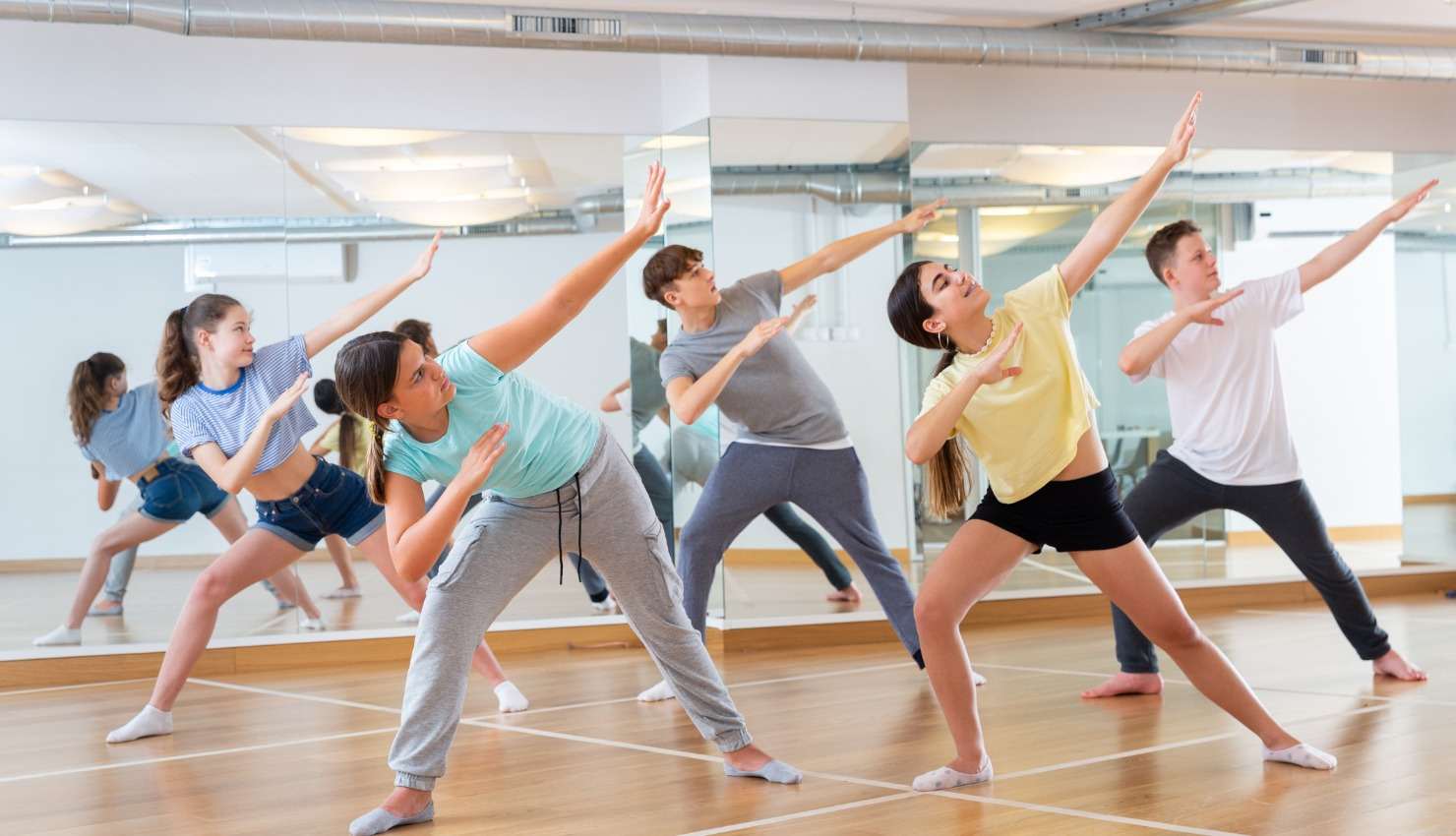
As a dancer, your posture is not just about standing tall or looking graceful on stage; it plays a critical role in the efficiency, safety, and effectiveness of your movements. Proper posture ensures that your body is aligned in a way that minimizes strain on your muscles and joints, reduces the risk of injury, and allows for more fluid and precise movements. Whether you’re performing an elegant pirouette or executing a high-energy leap, optimal posture is essential for both performance and longevity in dance.
However, achieving and maintaining good posture can be a challenge, especially considering the physical demands and repetitive movements associated with dance. This is where physiotherapy comes in. In this blog, we’ll explore how physiotherapy can help dancers improve their posture, enhance their performance, and reduce the risk of injury.
Why Posture Matters in Dance
Posture is the alignment of the body in relation to the force of gravity. In dance, posture involves not just standing upright, but aligning each part of the body head, neck, spine, shoulders, hips, knees, and ankles in a way that allows for optimal movement. Poor posture, whether due to muscle imbalances, weak muscles, or habitual bad alignment, can lead to discomfort, muscle strain, and, over time, more serious injuries.
Injury Prevention:
When your posture is misaligned, certain muscles and joints may bear more weight than they should. This uneven distribution of forces increases the risk of overuse injuries, such as tendinitis, stress fractures, and muscle strains. By improving posture, physiotherapy helps balance muscle usage, reducing the risk of injury and promoting overall body health.
Enhanced Performance:
Good posture allows for more efficient movement. It ensures that your muscles are working in harmony, which leads to better control, balance, and precision. This is crucial for dancers who rely on their bodies to execute complicated choreography. Proper posture also improves breathing, which is vital for endurance during performances.
Improved Body Alignment:
Proper alignment, achieved through good posture, ensures that the body moves as a unit, allowing the dancer to transfer energy smoothly from one movement to another. Poor alignment leads to inefficient energy expenditure, making movements feel heavy and less graceful.
The Role of Physiotherapy in Posture Correction
Physiotherapy is an essential tool for improving posture, particularly for dancers who need to maintain specific body alignments during complex routines. Physiotherapists are trained to assess body mechanics, identify postural problems, and create tailored treatment plans that help dancers align their bodies properly and maintain this alignment throughout their routines.
Postural Assessment:
Physiotherapists begin by conducting a thorough postural assessment. This involves observing how you hold your body during different movements, as well as identifying any misalignments or compensatory movements that could be affecting your posture. This detailed analysis allows the physiotherapist to pinpoint areas of weakness, tightness, or poor alignment that need attention.
Targeted Stretching and Strengthening Exercises:
One of the main components of physiotherapy for posture correction is stretching and strengthening exercises. For example, dancers with tight hip flexors and weak glutes may have a forward-tilting pelvis, which can affect their posture. Physiotherapists will prescribe exercises that target these specific areas, improving flexibility in tight muscles and strength in weaker ones.
A typical program might include:
Stretching: Focus on improving flexibility in key muscle groups, such as the hamstrings, hip flexors, and lower back muscles.
Strengthening: Exercises to strengthen the core, glutes, and upper back muscles that support proper posture.
Manual Therapy:
Physiotherapists also use hands-on techniques like massage and joint mobilizations to release tension in tight muscles and improve mobility in stiff joints. This manual therapy can help reduce pain, improve flexibility, and encourage proper body alignment.
Postural Awareness Training:
Physiotherapists teach dancers how to maintain good posture throughout their daily activities, not just during practice or performances. This involves educating dancers about body mechanics and the importance of keeping a neutral spine, engaging the core, and avoiding slumping or hunching, especially when standing or sitting for extended periods.
How Poor Posture Affects Dancers
Poor posture can lead to a wide variety of issues for dancers, ranging from minor discomfort to severe injuries that could sideline them for weeks or even months. Here are some of the ways that poor posture can negatively impact a dancers body:
Back and Neck Pain:
Misalignment of the spine or poor posture during dance routines can lead to excessive strain on the back and neck muscles. This can result in chronic pain, stiffness, and even conditions like herniated discs or muscle spasms.
Joint Problems:
When the body is not properly aligned, certain joints, such as the knees, hips, and shoulders, are subjected to increased pressure. Over time, this can lead to conditions like arthritis, bursitis, or joint instability, making it difficult for dancers to perform their movements without pain.
Decreased Mobility:
Poor posture often results from tight muscles or imbalanced muscle groups. This can reduce the range of motion in the affected joints, making it harder for dancers to perform fluid, precise movements. Reduced flexibility and mobility can also increase the risk of injury when attempting high-energy moves.
Fatigue and Decreased Endurance:
When the body is not aligned properly, muscles have to work harder to compensate for imbalances, leading to fatigue. This is especially problematic for dancers who require endurance to perform long routines. Inefficient posture can result in premature exhaustion, reducing performance quality and stamina.
The Benefits of Good Posture for Dancers
On the other hand, achieving and maintaining good posture through physiotherapy can provide a range of benefits for dancers:
Improved Technique:
Proper posture allows dancers to execute their movements with greater precision and control. Movements are more fluid, and transitions between steps are smoother. Additionally, proper posture enhances balance and coordination, which are critical for performing difficult choreography.
Reduced Risk of Injury:
By ensuring that the body is properly aligned, dancers can reduce the strain on specific muscles and joints. This helps prevent injuries like strains, sprains, and overuse injuries that result from compensating for weak or tight areas in the body.
Better Breath Control and Endurance:
Maintaining a tall, open chest and a neutral spine allows for more efficient breathing. This is particularly important for dancers who need to maintain stamina during long or strenuous performances. Good posture encourages deep, diaphragmatic breathing, which improves oxygen intake and energy levels.
Long-Term Health:
Adopting good posture not only benefits dancers in the short term but also supports long-term musculoskeletal health. Over time, maintaining proper alignment prevents the development of chronic pain or degenerative conditions, ensuring that dancers can continue performing well into their careers.
Conclusion
Achieving and maintaining optimal posture is essential for dancers who want to prevent injury, enhance their performance, and ensure their long-term health. Physiotherapy plays a crucial role in helping dancers improve their posture by addressing muscle imbalances, strengthening weak areas, improving flexibility, and teaching proper body mechanics. With the right physiotherapy plan, dancers can enjoy improved performance, reduced risk of injury, and a longer, healthier career in dance.
If youre a dancer looking to improve your posture or recover from an injury, physiotherapy can be the key to ensuring that your body stays in top shape for years to come.