How Physiotherapy Can Help You Navigate Hormonal Changes explores targeted strategies for recovery. Discover new paths to mobility, healing, and personalized care.

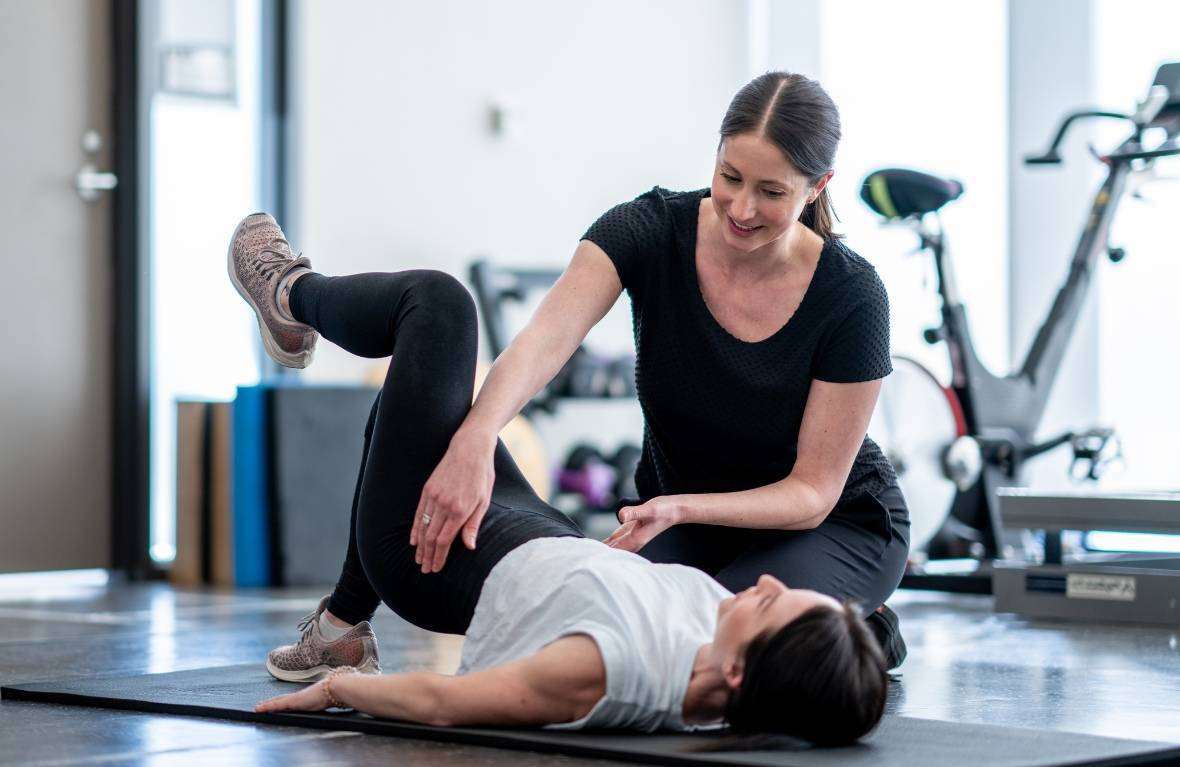
Hormonal changes are a natural part of life, influencing everything from your mood and energy levels to your physical health. Whether youre experiencing puberty, pregnancy, menopause, or other hormonal shifts, these transitions can sometimes feel overwhelming. But theres good newsphysiotherapy offers valuable support to help you manage symptoms and maintain balance during these important life stages.
At YourFormsUX, we understand how impactful hormonal changes can be, and were here to guide you through how physiotherapy can ease your journey.
Why Hormonal Changes Matter for Your Body
Hormones regulate critical bodily functions, including metabolism, reproduction, mood, and sleep. When hormones fluctuate, it affects:
Muscle strength and joint flexibility
Energy and endurance levels
Mood stability and mental clarity
Weight distribution and appetite
Sleep patterns and recovery
Because hormonal changes influence so many systems, physical symptoms like aches, fatigue, or instability often arise alongside emotional challenges.
Common Hormonal Changes and Their Effects
Puberty: Rapid growth and hormonal surges can cause muscle soreness, joint pain, and changes in posture.
Pregnancy: Hormones loosen ligaments, which can lead to pelvic pain, backache, and altered movement patterns.
Menopause: Decreasing estrogen affects bone density, muscle mass, and joint lubrication, increasing the risk of osteoporosis and discomfort.
Postpartum: Hormonal shifts can cause muscle weakness, pelvic floor issues, and fatigue.
Understanding these effects helps physiotherapists create personalized treatments that address your specific needs.
How Physiotherapy Supports Hormonal Health
Physiotherapy provides targeted strategies to manage symptoms associated with hormonal changes:
Strengthening and Conditioning
Customized exercise programs help maintain muscle mass, improve joint stability, and boost energy. This is especially important during menopause and postpartum phases.
Pelvic Floor Rehabilitation
Pregnancy and postpartum hormonal changes affect pelvic floor muscles. Physiotherapists teach exercises to restore strength and control, reducing incontinence and discomfort.
Pain Relief and Mobility
Manual therapy techniques relieve joint and muscle pain caused by hormonal fluctuations. Improved mobility supports better posture and function.
Balance and Coordination Training
Hormonal changes can affect balance and increase injury risk. Physiotherapy incorporates exercises that enhance coordination and prevent falls.
Education and Lifestyle Advice
Physiotherapists provide guidance on nutrition, posture, ergonomics, and activity modifications to support hormonal health and overall well-being.
Personalized Care for Hormonal Transitions
Physiotherapy recognizes that each hormonal phase is unique. Your treatment plan will be tailored based on your age, symptoms, and lifestyle. Whether youre managing the aches of puberty, preparing your body for childbirth, or navigating menopause, physiotherapy can improve your quality of life.
Why Choose Physiotherapy for Hormonal Changes?
Physiotherapy offers a safe, non-invasive, and empowering approach to managing hormonal changes. It complements medical care by focusing on physical function, pain management, and prevention.
At YourFormsUX, we connect you with knowledgeable physiotherapists throughout Canada who specialize in hormonal health. With their expertise, you can confidently face hormonal transitions with less discomfort and more vitality.
Final Thoughts
Hormonal changes are inevitable, but their impact on your body doesnt have to be limiting. Physiotherapy provides effective tools to support your body through these transitions, helping you maintain strength, reduce pain, and improve balance.
If youre experiencing symptoms related to hormonal shifts, consider reaching out to a physiotherapist for personalized care that empowers you at every stage of life.